Key takeaways
- The calories in alcohol start with the alcohol itself: about 7 calories per gram, nearly as much as fat.
- A US standard drink has 14 g of alcohol, so about 98 calories come from the alcohol alone.
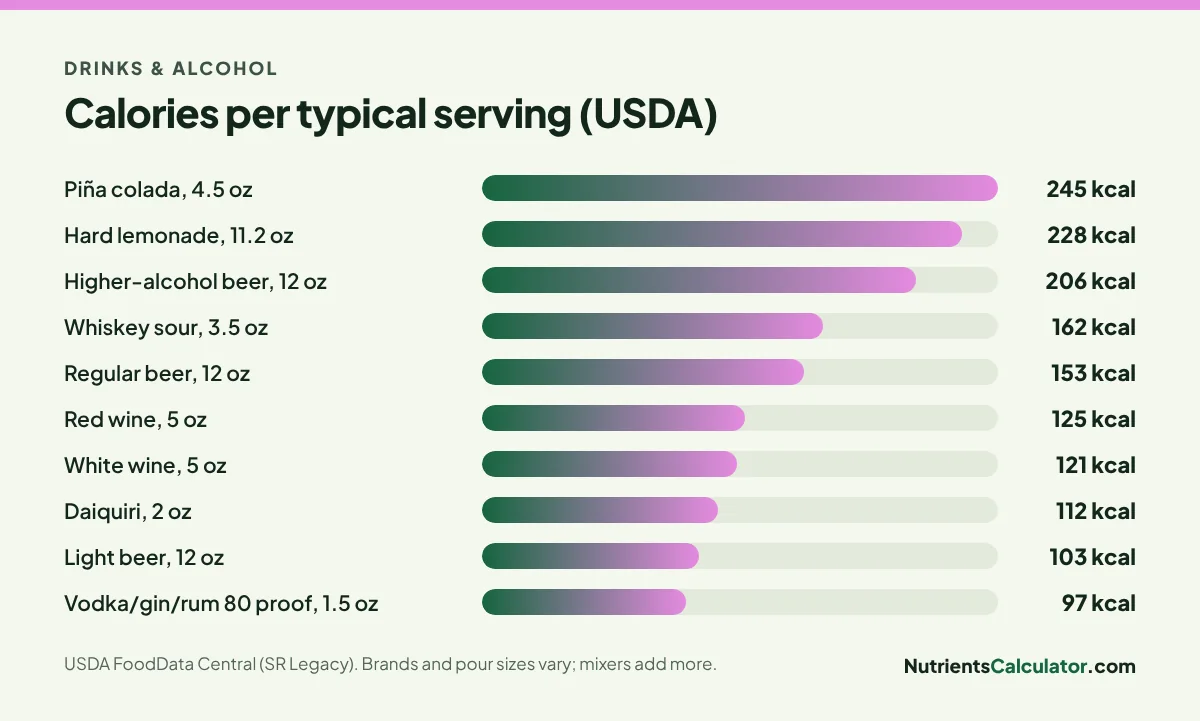
- Per typical serving: regular beer about 153 calories, wine about 120–125, a shot of spirits about 97. Sugary cocktails can pass 200.
- Pour size matters as much as the drink: many glasses and pints hold two standard drinks.
Most people check the calories in food long before they think about the calories in alcohol. Yet drinks can add a surprising amount to a day: two pints of craft beer or three large glasses of wine can rival a full meal. This guide breaks down where the calories in alcohol come from, how common drinks compare using USDA data, and simple ways to drink lighter if you want to.
Where the calories in alcohol come from
Alcoholic drinks get calories from two places:
- The alcohol (ethanol). About 7 calories per gram, compared with 4 for protein and carbs and 9 for fat. A US standard drink contains 14 g of pure alcohol (NIAAA), so 14 × 7 = about 98 calories from alcohol alone.
- Carbohydrates and sugar. Beer keeps some carbs from the grain, sweet wines keep grape sugar, and cocktails add syrups, juice, cream or soda.
That’s why a shot of vodka and a 12 oz light beer land in the same range (about 100 calories), while a piña colada with the same amount of rum is around 245.
Etekcity Food Scale
0.1g accuracy — the perfect companion for exact portions.
Beer
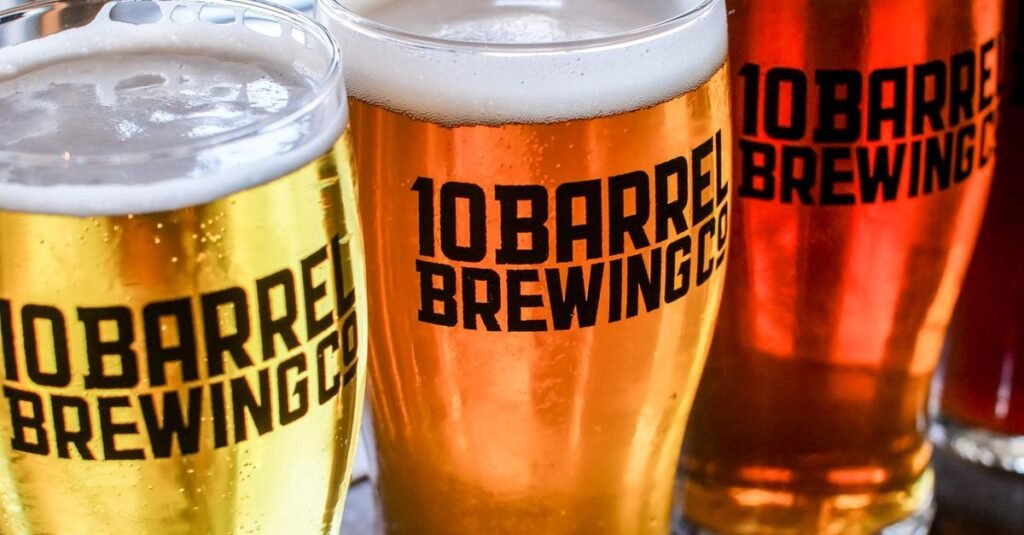
From USDA FoodData Central, per 12 oz:
| Beer | Calories | Carbs |
|---|---|---|
| Regular beer | about 153 | 12.6 g |
| Light beer | about 103 | 5.8 g |
| Low-carb light beer | about 96 | 2.6 g |
| Higher-alcohol beer | about 206 | 1 g (most calories from alcohol) |
Craft beers and IPAs are often 6–9% alcohol and served in 16 oz pints, so a single pint can easily pass 250 calories. Check the ABV: the higher it is, the more calories come from alcohol.
Wine
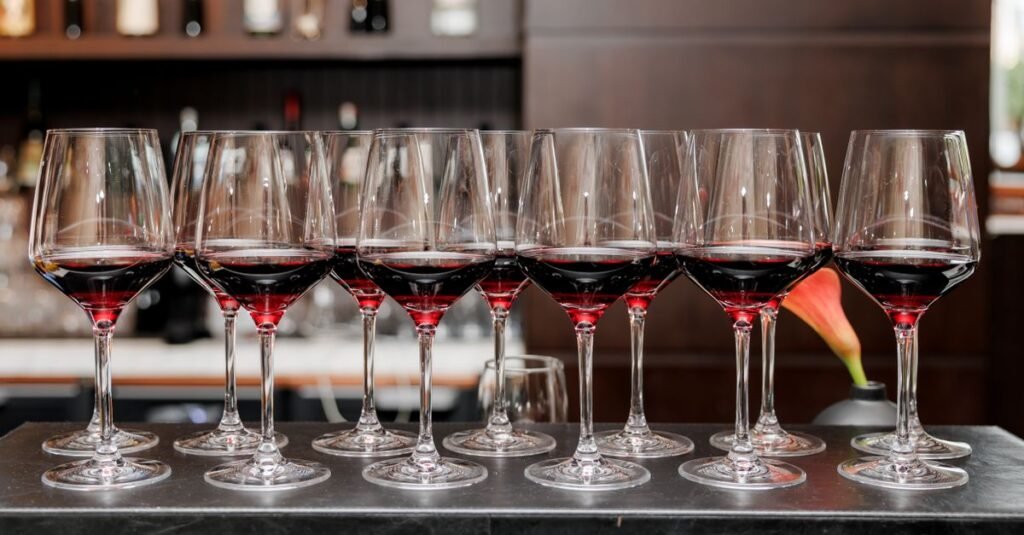
A 5 oz glass of dry red wine is about 125 calories and dry white about 121, with only about 4 g of carbs. Rosé is similar (about 122). Sweet and dessert wines carry more sugar: a 3.5 oz glass of sweet dessert wine is about 165 calories.
The bigger issue is the pour. Five ounces is a standard drink at 12% alcohol, but restaurant pours are often 6–9 oz, and many wines are 13.5–15% alcohol. A 9 oz pour of a 13.5% wine contains about two standard drinks and roughly 220–230 calories. Our guide to what counts as a standard drink shows how to work this out.
Spirits
A 1.5 oz shot of 80-proof (40%) vodka, gin, rum, tequila or whiskey has about 97 calories and no carbs. At 100 proof it’s about 124. The mixer decides the rest:
- Soda water, diet tonic or diet cola: adds about 0.
- Regular tonic water: about 124 calories per 12 oz, almost all sugar.
- Regular cola: about 103 calories per 8 oz.
- Orange juice: about 112 calories per cup.
So a vodka soda is about 97 calories, while a rum and cola with 8 oz of cola is about 200.
Cocktails and premixed drinks

Cocktails vary the most because recipes and glass sizes vary. USDA examples:
- Piña colada (4.5 oz): about 245 calories, 32 g sugar.
- Whiskey sour (3.5 oz): about 162 calories.
- Daiquiri (2 oz): about 112 calories.
- Hard lemonade (11.2 oz bottle): about 228 calories and 33 g sugar.
- Coffee liqueur (1.5 oz): about 175 calories.
If you want the lightest options, see our full list of low-calorie alcoholic drinks.
Why the calories matter more than they seem
Alcohol calories don’t come with fullness: you don’t eat less at dinner because you had two beers. In fact, drinking often makes people eat more, and late-night food choices are rarely light. Your body also burns alcohol first because it can’t store it, which temporarily slows fat burning. For a full look at the effect on your goals, read alcohol and weight loss.
What the guidelines say now
The 2025–2030 Dietary Guidelines for Americans advise people to drink less alcohol for better health and no longer list a specific daily drink limit (HCPLive summary). If you don’t drink, there’s no health reason to start. If you do, less is better for your health as well as your calorie budget.
Easy ways to drink lighter
- Measure your pour. A 5 oz wine pour at home is smaller than most people think.
- Choose lower-ABV drinks. Fewer grams of alcohol means fewer calories.
- Use zero-calorie mixers. Soda water, diet tonic, fresh lime.
- Alternate with water. One glass of water between drinks slows the pace.
- Try alcohol-free versions. Many non-alcoholic beers and wines have far fewer calories; see non-alcoholic beer and wine.
- Decide your number before you start.
Count your drinks in seconds
Our free alcohol calculator converts any drink, size and ABV into calories and standard drinks, so a “large glass” or a 16 oz IPA becomes a real number.
The bottom line
The calories in alcohol add up quickly: about 98 calories per standard drink from the alcohol alone, plus whatever sugar and mixers come with it. Light beer, dry wine in a measured glass and spirits with zero-calorie mixers are the lightest choices; sweet cocktails and big pours are the heaviest. Knowing the numbers makes it much easier to fit a drink into your week, or decide to skip it.
Frequently asked questions
How many calories are in alcohol itself?
Pure alcohol (ethanol) has about 7 calories per gram, almost as much as fat. A US standard drink contains 14 g of alcohol, so the alcohol alone supplies about 98 calories before any sugar, carbs or mixer.
Which alcohol has the fewest calories?
A single shot of 80-proof spirits with soda water or a diet mixer (about 97 calories), light beer (about 100) and a small glass of dry wine (about 120 per 5 oz) are among the lowest. Creamy and sugary cocktails are usually the highest.
Is beer or wine more fattening?
Per standard serving they're similar: about 153 calories for a 12 oz regular beer and about 121–125 for a 5 oz glass of wine. What matters more is how many you have and how big the pour is.
Do calories from alcohol count the same as food calories?
They add to your daily energy intake like any other calories. Your body also prioritizes burning alcohol, which temporarily slows fat burning, and drinking often leads to eating more.
Sources
- NIAAA: What is a standard drink?
- USDA FoodData Central
- HCPLive: 2025–2030 Dietary Guidelines and alcohol intake recommendations
This article is for general information and isn’t medical advice. Talk to your doctor or a registered dietitian about your own needs, especially if you have a health condition, are pregnant or take medication.