172 calories in 1 squash of acorn squash (431 g)
- 3.4 g protein
- 45 g carbs
- 0.4 g fat
- 6.5 g fiber
Source: USDA FoodData Central · 40 kcal per 100 g
One medium acorn squash (4 inches in diameter) contains 172 calories, with nearly all of them coming from carbohydrates—mainly starches, not added sugar. What stands out is the fiber: a single squash delivers 6.5 g, plus more than half the daily vitamin C and a third of the daily magnesium, all with virtually no fat.
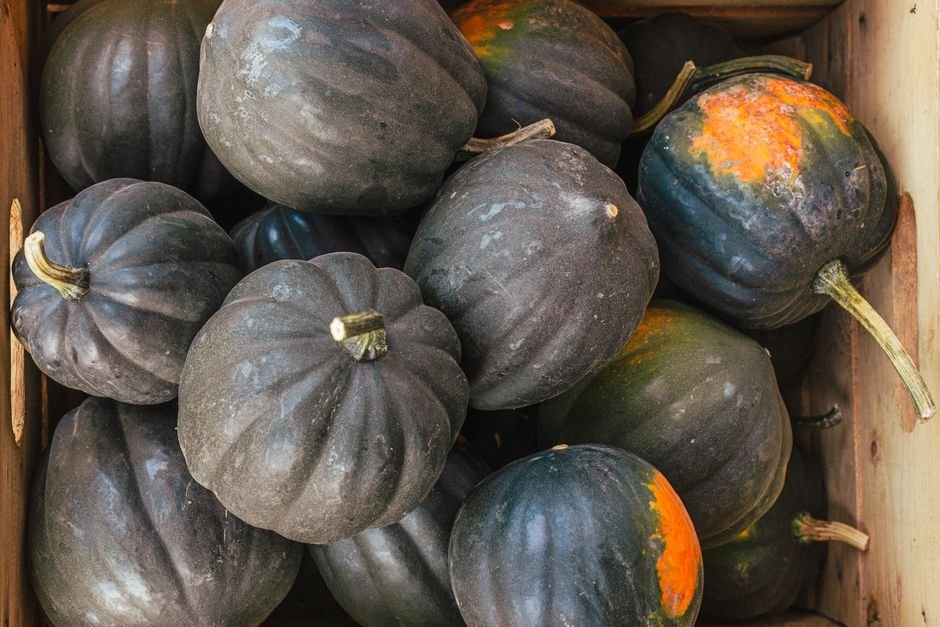
Calories in Acorn Squash by Serving Size
| Serving | Calories | Protein | Carbs | Fat |
|---|---|---|---|---|
| 1 squash (4 inch dia) (431 g) | 172 | 3.4 g | 45 g | 0.4 g |
| 1 cup, cubes (140 g) | 56 | 1.1 g | 15 g | 0.1 g |
| 100 g | 40 | 0.8 g | 10 g | 0.1 g |
| 1 oz | 11 | 0.2 g | 3 g | 0 g |
Acorn Squash Nutrition Facts
Per 1 squash (4 inch dia) (431 g):
| Nutrient | Amount | % Daily Value* |
|---|---|---|
| Calories | 172 kcal | |
| Protein | 3.4 g | 7% |
| Total Fat | 0.4 g | 1% |
| Saturated Fat | 0.1 g | 0% |
| Cholesterol | 0 mg | 0% |
| Sodium | 13 mg | 1% |
| Total Carbohydrate | 45 g | 16% |
| Dietary Fiber | 6.5 g | 23% |
| Calcium | 142 mg | 11% |
| Iron | 3 mg | 17% |
| Potassium | 1496 mg | 32% |
| Magnesium | 138 mg | 33% |
| Zinc | 0.6 mg | 5% |
| Phosphorus | 155 mg | 12% |
| Selenium | 2.2 mcg | 4% |
| Vitamin A (RAE) | 78 mcg | 9% |
| Vitamin C | 47 mg | 53% |
| Thiamin (B1) | 0.6 mg | 50% |
| Riboflavin (B2) | 0 mg | 3% |
| Niacin (B3) | 3 mg | 19% |
| Vitamin B6 | 0.7 mg | 39% |
| Folate (DFE) | 73 mcg | 18% |
Where the calories come from: 91% carbs · 7% protein · 2% fat
*Percent Daily Values are based on a 2,000-calorie diet (FDA reference values). Source: USDA FoodData Central — Squash, winter, acorn, raw (FDC ID 168472, SR Legacy, published 4/1/2019). Values for other servings are calculated from the per-100 g data.
Raw vs Roasted: How Cooking Changes the Calories
The data here is for raw acorn squash. Roasting or baking concentrates the flavors and sugars slightly as water evaporates, but the total calorie count per 100 g stays nearly the same—you’re not adding oil or sugar unless you do so intentionally. A medium raw squash is 172 calories; if you cube it raw before cooking, a cup of raw cubes is 56 calories.
The practical difference: roasting with olive oil adds calories from the oil itself, not the squash. The fiber and minerals in the squash remain largely intact.
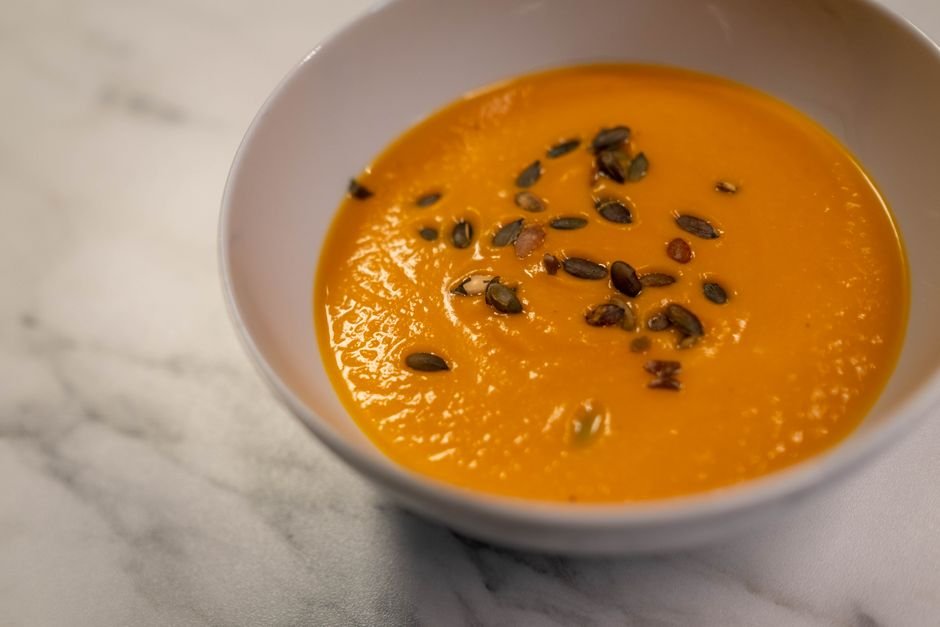
Why Acorn Squash Is Low in Sodium and Fat
Acorn squash contains just 13 mg of sodium in a whole medium squash—negligible compared to processed foods—and 0.4 g of fat (mostly unsaturated). This makes it naturally suited to sodium-restricted diets and those aiming to keep fat intake low, without any need to prepare it specially.
The low sodium is genuine; even the skin and seeds (if eaten) add minimal sodium, so you don’t need to remove anything for dietary reasons related to salt content.
Carbs and Fiber: What Type of Carbohydrate You're Getting
A whole acorn squash has 45 g of carbohydrate, of which 6.5 g is dietary fiber. There is no added sugar; the carbs are intrinsic to the vegetable.
The fiber content (23% of the daily value) means the net digestible carbs are lower than the total suggests, and acorn squash is less likely to cause rapid blood-sugar spikes compared to refined carbohydrate sources. This makes it a reasonable choice for lower-carb meal planning, though the total carb count should still be factored in.
Key Minerals: Potassium and Magnesium
One medium acorn squash supplies 1496 mg of potassium (32% of the daily value) and 138 mg of magnesium (33% of the daily value).
These minerals are present in the raw squash and largely survive roasting. This mineral density is one reason acorn squash stands out among winter vegetables—you get meaningful amounts without needing to eat large portions.
Seeds: a Higher-Calorie Part Worth Considering
The data refers to the flesh of raw acorn squash. The seeds, which many people roast separately, are not included in this analysis and have a very different nutrient profile (seeds are much higher in fat and calories). If you roast the seeds whole, they are edible and nutritious but should be counted separately.
The flesh alone—what most people eat—remains a low-calorie, high-fiber vegetable even after cooking.
How Acorn Squash Compares
Per 100 g, next to similar foods in our database:
| Food (100 g) | Calories | Protein | Carbs | Fat |
|---|---|---|---|---|
| Acorn Squash | 40 | 0.8 g | 10 g | 0.1 g |
| Turnip Greens | 32 | 1.5 g | 7.1 g | 0.3 g |
| Oysters | 51 | 5.7 g | 2.7 g | 1.7 g |
| Tangerine | 53 | 0.8 g | 13 g | 0.3 g |
| Sweet Pepper | 26 | 1 g | 6 g | 0.3 g |
| Cauliflower Rice | 26 | 2 g | 5.2 g | 0.3 g |
Acorn Squash FAQ
How many calories in a cup of cooked acorn squash?
One cup of raw cubes is 56 calories. Cooking (roasting, boiling, or steaming) does not significantly change the calories per 100 g, so the calorie count stays roughly the same unless you add oil or other ingredients during preparation.
Is acorn squash good for weight loss?
At 172 calories for a whole medium squash and 6.5 g of fiber, it's filling relative to its calorie density. The high water content (378 g in a whole squash) and lack of fat mean it takes up volume in your stomach without excess calories, which can help with portion control.
Does acorn squash have any sugar?
Acorn squash contains natural sugars from the plant itself, included in the 45 g of total carbohydrate per whole squash. There is no added sugar; the sweetness you taste comes only from the vegetable.
What's the iron content, and how much of it does my body absorb?
A whole acorn squash provides 3 mg of iron (17% of the daily value), a plant-based form (non-heme iron). Absorption of non-heme iron is lower than from meat sources, but pairing acorn squash with vitamin C—which it contains 47 mg of—can enhance absorption.
The Bottom Line
A medium acorn squash is a low-calorie, high-fiber vegetable rich in potassium and magnesium, with virtually no fat or sodium. Prepare it by roasting, baking, or steaming without added oil to keep calories modest.