47 calories in 1 medium tangerine (88 g)
- 0.7 g protein
- 12 g carbs
- 0.3 g fat
- 1.6 g fiber
Source: USDA FoodData Central · 53 kcal per 100 g
A medium tangerine (2½ inches across) contains 47 calories in tangerine and is made up almost entirely of water and natural sugars. What makes tangerines stand out is their vitamin C content: a single medium fruit delivers 23 mg, or about a quarter of the daily value.
The remaining nutrition is straightforward—minimal fat and protein, with 12 g of carbohydrates split fairly evenly between fiber (1.6 g) and sugars (9.3 g).
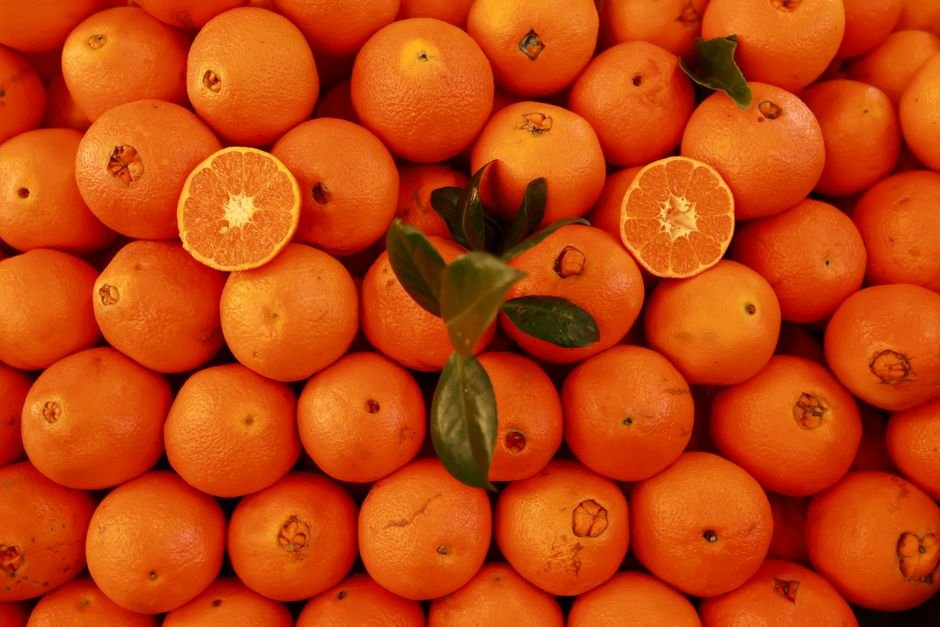
Calories in Tangerine by Serving Size
| Serving | Calories | Protein | Carbs | Fat |
|---|---|---|---|---|
| 1 medium (2-1/2" dia) (88 g) | 47 | 0.7 g | 12 g | 0.3 g |
| 1 cup, sections (195 g) | 103 | 1.6 g | 26 g | 0.6 g |
| 1 small (2-1/4" dia) (76 g) | 40 | 0.6 g | 10 g | 0.2 g |
| 1 large (2-3/4" dia) (120 g) | 64 | 1 g | 16 g | 0.4 g |
| 1 NLEA serving (109 g) | 58 | 0.9 g | 15 g | 0.3 g |
| 100 g | 53 | 0.8 g | 13 g | 0.3 g |
| 1 oz | 15 | 0.2 g | 3.8 g | 0.1 g |
Tangerine Nutrition Facts
Per 1 medium (2-1/2" dia) (88 g):
| Nutrient | Amount | % Daily Value* |
|---|---|---|
| Calories | 47 kcal | |
| Protein | 0.7 g | 1% |
| Total Fat | 0.3 g | 0% |
| Saturated Fat | 0 g | 0% |
| Cholesterol | 0 mg | 0% |
| Sodium | 1.8 mg | 0% |
| Total Carbohydrate | 12 g | 4% |
| Dietary Fiber | 1.6 g | 6% |
| Total Sugars | 9.3 g | |
| Calcium | 33 mg | 3% |
| Iron | 0.1 mg | 1% |
| Potassium | 146 mg | 3% |
| Magnesium | 11 mg | 3% |
| Zinc | 0.1 mg | 1% |
| Phosphorus | 18 mg | 1% |
| Selenium | 0.1 mcg | 0% |
| Vitamin A (RAE) | 30 mcg | 3% |
| Vitamin C | 23 mg | 26% |
| Vitamin E | 0.2 mg | 1% |
| Thiamin (B1) | 0.1 mg | 4% |
| Riboflavin (B2) | 0 mg | 2% |
| Niacin (B3) | 0.3 mg | 2% |
| Vitamin B6 | 0.1 mg | 4% |
| Folate (DFE) | 14 mcg | 4% |
Where the calories come from: 90% carbs · 5% protein · 5% fat
*Percent Daily Values are based on a 2,000-calorie diet (FDA reference values). Source: USDA FoodData Central — Tangerines, (mandarin oranges), raw (FDC ID 169105, SR Legacy, published 4/1/2019). Values for other servings are calculated from the per-100 g data.
How Sugar and Fiber Balance in a Tangerine
Tangerines contain 9.3 g of sugar per medium fruit, but nearly all the carbohydrates (1.6 g fiber out of 12 g total) come paired with fiber. The ratio means tangerines release their sugars more gradually than juice or peeled segments would.
If you’re tracking carbohydrates for diabetes or a low-carb diet, the 12 g of total carbs per medium fruit is the number that matters. The fiber content (6% of daily value per serving) is modest but real.

Peeled Vs. Whole: Does Preparation Change Calories?
Calories in tangerine don’t change when you peel it—the edible portion is the same. A medium tangerine with peel weighs about 88 g and contains 47 calories. The peel itself is inedible and adds weight but not nutrition to the fruit.
What does change is how quickly you eat it. Peeling takes time; whole fruit is harder to consume mindlessly. A cup of tangerine sections (195 g) contains 103 calories—roughly equivalent to two medium fruits—but is easier to overeat in one sitting.
Vitamin C and Other Micronutrients Worth Noting
Vitamin C is the nutritional highlight at 23 mg per medium tangerine. Tangerines also provide small but measurable amounts of B vitamins (thiamin and B6 at 4% of daily value each), potassium (146 mg, or 3% of daily value), and magnesium (11 mg). Folate is present at 14 mcg per fruit.
Iron, zinc, calcium, and selenium are all minimal. Tangerines contain no vitamin K, D, or B12, and virtually no saturated fat.
Tangerines Vs. Other Citrus: What's Different
Tangerines are often compared to oranges, lemons, and grapefruits, though exact nutrient comparisons depend on the specific variety and data source. Within the tangerine family, size varies: a small tangerine (2¼ inches) has 40 calories, while a large one (2¾ inches) reaches 64 calories. The difference is water content and mass, not nutrient density.
The ease of peeling—and eating—is what sets tangerines apart from oranges in practice. That convenience can affect how much you consume and how easily you add them to snacks or meals.
How Tangerine Compares
Per 100 g, next to similar foods in our database:
| Food (100 g) | Calories | Protein | Carbs | Fat |
|---|---|---|---|---|
| Tangerine | 53 | 0.8 g | 13 g | 0.3 g |
| Oysters | 51 | 5.7 g | 2.7 g | 1.7 g |
| Pear | 57 | 0.4 g | 15 g | 0.1 g |
| Acorn Squash | 40 | 0.8 g | 10 g | 0.1 g |
| Turnip Greens | 32 | 1.5 g | 7.1 g | 0.3 g |
| Sweet Pepper | 26 | 1 g | 6 g | 0.3 g |
Tangerine FAQ
Are tangerines good for weight loss?
At 47 calories per medium fruit with 1.6 g of fiber and a low fat content, tangerines fit easily into a weight-loss plan. The fiber and water content make them relatively filling for the calorie cost, though they are not a replacement for whole meals.
How many tangerines can I eat per day?
There is no set limit in the data.
How much potassium is in a tangerine?
A medium tangerine contains 146 mg of potassium, or about 3% of the daily value. That is a modest amount; fruits like bananas and avocados provide noticeably more.
The Bottom Line
Tangerines are low-calorie, high-water fruits with modest fiber and significant vitamin C, making them a straightforward whole-food snack. The main decision is portion: one medium fruit at 47 calories is quite different from a cup of sections at 103.