Calories in amaranth leaves: 28 calories per 1 cup (132 g)
- 2.8 g protein
- 5.4 g carbs
- 0.2 g fat
Source: USDA FoodData Central · 21 kcal per 100 g
One cup (132 g) of cooked amaranth leaves has 28 calories in it, according to USDA FoodData Central data for leaves that have been boiled and drained without salt. At 100 g the figure is 21 calories, so the calories in amaranth leaves are low for a green that is eaten as a full vegetable.
What stands out is the micronutrient load relative to the calories. The same cup provides 846 mg of potassium (18% DV), 276 mg of calcium (21% DV), and 54 mg of vitamin C (60% DV). Almost all of the energy comes from carbohydrate and protein, with very little fat.
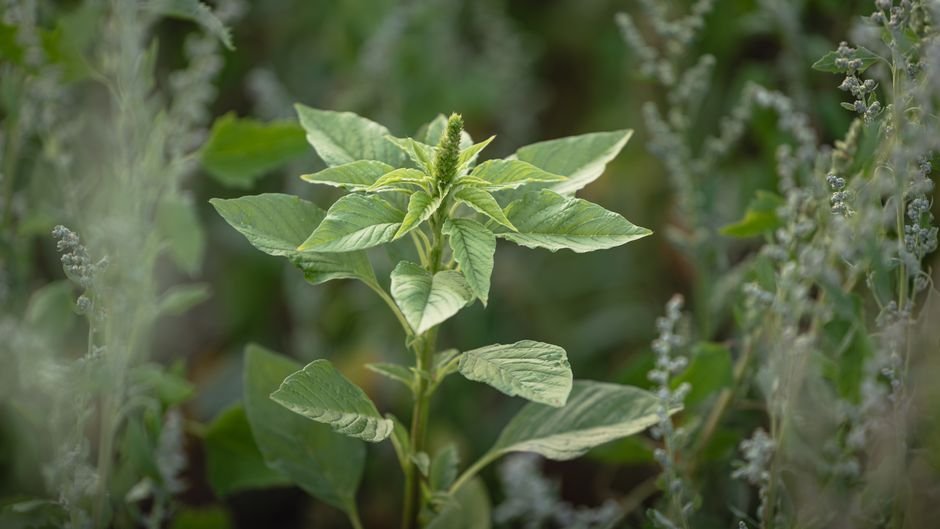
Calories in Amaranth Leaves by Serving Size
Calories in amaranth leaves for each common serving, with protein, carbs and fat:
| Serving | Calories | Protein | Carbs | Fat |
|---|---|---|---|---|
| 1 cup (132 g) | 28 | 2.8 g | 5.4 g | 0.2 g |
| 100 g | 21 | 2.1 g | 4.1 g | 0.2 g |
| 1 oz | 6 | 0.6 g | 1.2 g | 0.1 g |
Amaranth Leaves Nutrition Facts
Calories in amaranth leaves and the full nutrition facts per 1 cup (132 g):
| Nutrient | Amount | % Daily Value* |
|---|---|---|
| Calories | 28 kcal | |
| Protein | 2.8 g | 6% |
| Total Fat | 0.2 g | 0% |
| Saturated Fat | 0.1 g | 0% |
| Cholesterol | 0 mg | 0% |
| Sodium | 28 mg | 1% |
| Total Carbohydrate | 5.4 g | 2% |
| Calcium | 276 mg | 21% |
| Iron | 3 mg | 17% |
| Potassium | 846 mg | 18% |
| Magnesium | 73 mg | 17% |
| Zinc | 1.2 mg | 11% |
| Phosphorus | 95 mg | 8% |
| Selenium | 1.2 mcg | 2% |
| Vitamin A (RAE) | 183 mcg | 20% |
| Vitamin C | 54 mg | 60% |
| Thiamin (B1) | 0 mg | 2% |
| Riboflavin (B2) | 0.2 mg | 14% |
| Niacin (B3) | 0.7 mg | 5% |
| Vitamin B6 | 0.2 mg | 14% |
| Folate (DFE) | 75 mcg | 19% |
Where the calories come from: 62% carbs · 32% protein · 6% fat
*Percent Daily Values are based on a 2,000-calorie diet (FDA reference values). Source: USDA FoodData Central — Amaranth leaves, cooked, boiled, drained, without salt (FDC ID 169202, SR Legacy, published 4/1/2019). Values for other servings are calculated from the per-100 g data.
How Cooking Changes the Numbers
The figures on this page are for cooked leaves that were boiled, drained, and prepared without salt. That matters because greens lose water when they cook, so a cup of cooked leaves weighs more than a cup of raw leaves would, and the same cup can hold a lot of leaf material. The 132 g cup used here reflects cooked greens packed into a measuring cup, not raw leaves.
Boiling and draining also means some water-soluble vitamins may leave the leaves with the cooking water. The USDA record reports the cooked values as they are, so the vitamin C and folate numbers above already reflect a boiled product. If you eat the cooking liquid or use it in a soup, you keep more of what leaches out.
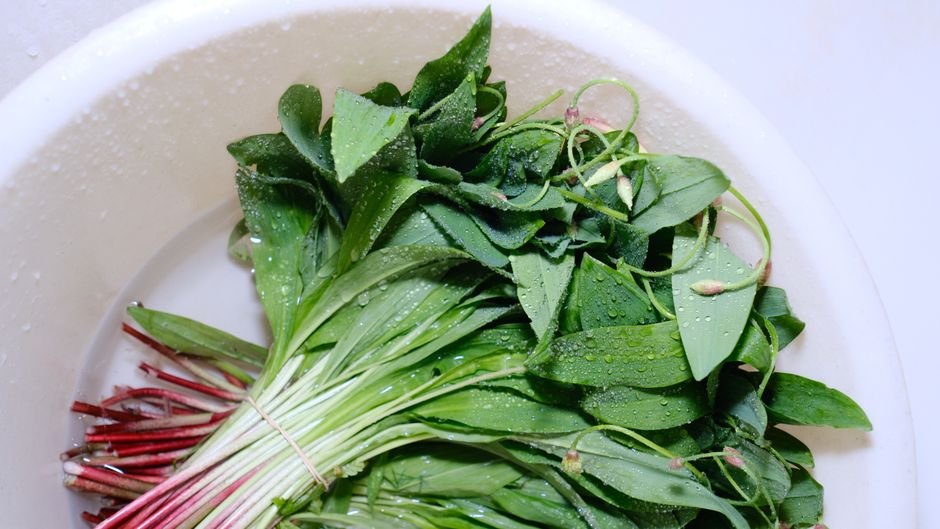
Amaranth Leaves for Sodium and Potassium
Plain cooked amaranth leaves are low in sodium. A cup has 28 mg of sodium (1% DV) and a 100 g portion has 21 mg, because the record is for a version prepared without salt. Most of the sodium in a cooked green dish comes from added salt, stock, or seasoned oil, so the salt you add is what will change the total.
Potassium is the standout mineral. A cup supplies 846 mg (18% DV), more than the 641 mg in 100 g, which reflects the cup weight of 132 g. For people watching potassium intake because of kidney or medication concerns, this is a food to check with a clinician or dietitian rather than treat as either a free addition or a restricted one.
Is Amaranth Leaves Good for Calcium and Iron?
A cup of cooked amaranth leaves provides 276 mg of calcium (21% DV) and 3 mg of iron (17% DV). The calcium figure is unusual for a leafy vegetable of this calorie level. Iron from plant foods is generally absorbed less readily than iron from meat, so the percent DV on the label is a measure of content, not of how much your body will take up.
Magnesium (73 mg, 17% DV) and zinc (1.2 mg, 11% DV) also appear in a single cup. Because these are all in one serving, a cup can contribute meaningfully to a day’s mineral intake without much of the energy that a starchy side would bring.
What Amaranth Leaves Contain Very Little of
Fat is 0.2 g per cup, with 0.1 g saturated and no trans fat. The calorie split is about 62% from carbohydrate, 32% from protein, and 6% from fat, so this is a lean, plant-based green.
Because protein is only 2.8 g per cup, amaranth leaves should be treated as a vegetable that adds nutrients, not as a protein source on their own. Pairing them with eggs, beans, or another protein food is a practical way to build a more complete plate.
How Amaranth Leaves Compares
Per 100 g, next to similar foods in our database:
| Food (100 g) | Calories | Protein | Carbs | Fat |
|---|---|---|---|---|
| Amaranth Leaves | 21 | 2.1 g | 4.1 g | 0.2 g |
| Oat Bran Cereal | 46 | 3.2 g | 12 g | 1.3 g |
| Rice Milk | 47 | 0.3 g | 9.2 g | 1 g |
| Cream of Rice | 52 | 0.9 g | 12 g | 0.1 g |
| Farina | 53 | 1.8 g | 11 g | 0.3 g |
| Corn Grits | 65 | 1.2 g | 14 g | 0.4 g |
Amaranth Leaves FAQ
How many calories are in 100 g of amaranth leaves?
100 g of cooked amaranth leaves has 21 calories, with 2.1 g of protein, 0.2 g of fat, and 4.1 g of carbohydrate. The 1 cup (132 g) serving has 28 calories.
How much vitamin C is in a cup of amaranth leaves?
A 1 cup (132 g) serving of cooked amaranth leaves has 54 mg of vitamin C, which is 60% of the Daily Value. The 100 g portion has 41 mg.
Are amaranth leaves high in protein?
Not especially. A cup of cooked leaves has 2.8 g of protein (6% DV), so they contribute protein but are better paired with a protein-rich food.
How many calories are in 1 oz of amaranth leaves?
One ounce (28 g) of cooked amaranth leaves has 6 calories, with 0.6 g of protein and 1.2 g of carbohydrate.
The Bottom Line
One cup of cooked amaranth leaves gives 28 calories along with substantial potassium, calcium, and vitamin C. Check added salt and oil, since the leaves themselves are low in sodium and fat.


