Calories in rice milk: 115 calories per 1 cup (244 g)
- 0.7 g protein
- 22 g carbs
- 2.4 g fat
- 0.7 g fiber
Source: USDA FoodData Central · 47 kcal per 100 g
One cup (244 g) of rice milk has 115 calories in the USDA record, with 22 g of carbohydrate, 2.4 g of fat, and only 0.7 g of protein. Most of those calories come from carbohydrate, which is the main thing to know about the calories in rice milk.
Rice milk is mostly water and carbohydrate. It has less protein than most dairy milks, but the record lists 288 mg of calcium per cup (22% DV) and 2.4 mcg of vitamin D (12% DV), along with 64% DV of vitamin B12 in the same serving.
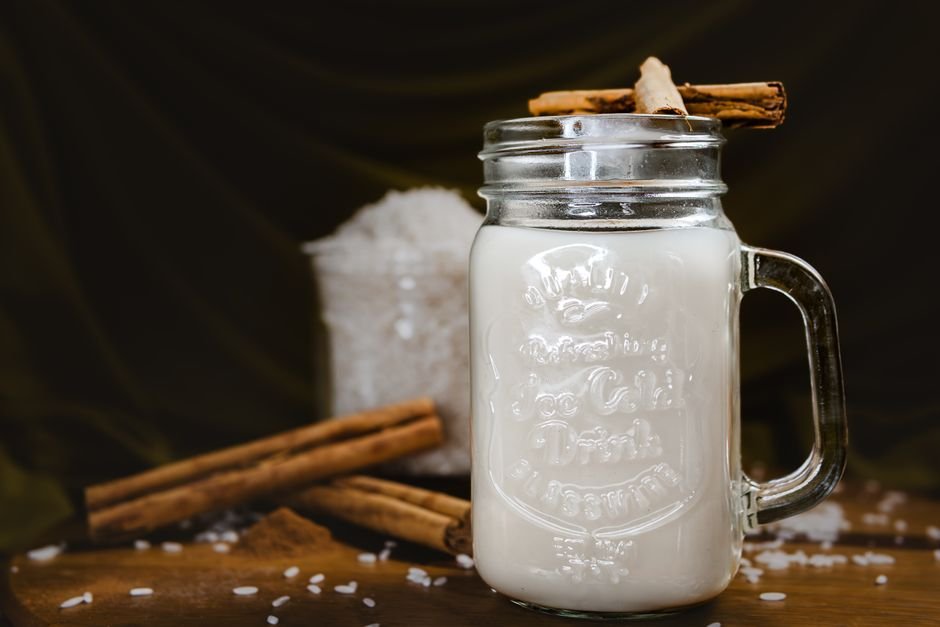
Calories in Rice Milk by Serving Size
Calories in rice milk for each common serving, with protein, carbs and fat:
| Serving | Calories | Protein | Carbs | Fat |
|---|---|---|---|---|
| 1 cup (244 g) | 115 | 0.7 g | 22 g | 2.4 g |
| 1 fl oz (31 g) | 14 | 0.1 g | 2.8 g | 0.3 g |
| Guideline amount per fl oz of beverage (2.5 g) | 1 | 0 g | 0.2 g | 0 g |
| Guideline amount per cup of hot cereal (61 g) | 29 | 0.2 g | 5.6 g | 0.6 g |
| 100 g | 47 | 0.3 g | 9.2 g | 1 g |
| 1 oz | 13 | 0.1 g | 2.6 g | 0.3 g |
Rice Milk Nutrition Facts
Calories in rice milk and the full nutrition facts per 1 cup (244 g):
| Nutrient | Amount | % Daily Value* |
|---|---|---|
| Calories | 115 kcal | |
| Protein | 0.7 g | 1% |
| Total Fat | 2.4 g | 3% |
| Saturated Fat | 0 g | 0% |
| Cholesterol | 0 mg | 0% |
| Sodium | 95 mg | 4% |
| Total Carbohydrate | 22 g | 8% |
| Dietary Fiber | 0.7 g | 3% |
| Total Sugars | 13 g | |
| Vitamin D | 2.4 mcg | 12% |
| Calcium | 288 mg | 22% |
| Iron | 0.5 mg | 3% |
| Potassium | 66 mg | 1% |
| Magnesium | 27 mg | 6% |
| Zinc | 0.3 mg | 3% |
| Phosphorus | 137 mg | 11% |
| Selenium | 5.4 mcg | 10% |
| Vitamin A (RAE) | 154 mcg | 17% |
| Vitamin E | 1.1 mg | 8% |
| Vitamin K | 0.5 mcg | 0% |
| Thiamin (B1) | 0.1 mg | 5% |
| Riboflavin (B2) | 0.3 mg | 27% |
| Niacin (B3) | 1 mg | 6% |
| Vitamin B6 | 0.1 mg | 6% |
| Folate (DFE) | 4.9 mcg | 1% |
| Vitamin B12 | 1.5 mcg | 64% |
Where the calories come from: 79% carbs · 19% fat · 2% protein
*Percent Daily Values are based on a 2,000-calorie diet (FDA reference values). Source: USDA FoodData Central — Rice milk (FDC ID 2705411, Survey (FNDDS), published 10/31/2024). Values for other servings are calculated from the per-100 g data.
How Many Carbs and Sugars Are in Rice Milk?
The 1 cup serving has 22 g of total carbohydrate and 13 g of total sugars. Per 100 g, that works out to 9.2 g of carbohydrate and 5.3 g of sugars. Fiber is very low at 0.7 g per cup.
Because the carbohydrate share is 79% of calories, rice milk is a sweeter, starchier drink than its low calorie count might suggest. Reading the carb number on the label matters more than the calorie number if you are tracking carbohydrates closely.

Rice Milk Nutrition Compared With Other Milks
The record shows very little protein in rice milk. A cup has 0.7 g, which is a small fraction of the 115 calories in that serving. If protein is your reason for choosing a milk, rice milk does not supply much of it.
Calcium and vitamin D are the main nutrients that stand out in the record, and they are fortified-style amounts rather than natural content. Check the label on your carton, since the USDA entry describes a survey-based record and brands can differ.
How Much Is in a Splash, an Ounce, or a Small Pour?
If you use rice milk in coffee or cereal in smaller amounts, the 1 fl oz (31 g) serving is 14 calories with 2.8 g of carbohydrate. The 1 oz (28 g) serving is 13 calories with 2.6 g of carbohydrate.
Small pours add up. A pour that is half a cup is not listed in the data, so use the 1 fl oz figure and multiply by the number of ounces you actually pour.
Rice Milk and Vitamin B12 Intake
The record lists 1.5 mcg of vitamin B12 per cup, which is 64% DV. Natural rice milk contains little or no B12, so this figure suggests the product is fortified. Plain rice milk with no added sugar would have a lower carbohydrate count than the sweetened versions, so compare labels.
Iron and zinc are low in the record at 0.5 mg and 0.3 mg per cup.
How Rice Milk Compares
Per 100 g, next to similar foods in our database:
| Food (100 g) | Calories | Protein | Carbs | Fat |
|---|---|---|---|---|
| Rice Milk | 47 | 0.3 g | 9.2 g | 1 g |
| Oat Bran Cereal | 46 | 3.2 g | 12 g | 1.3 g |
| Cream of Rice | 52 | 0.9 g | 12 g | 0.1 g |
| Farina | 53 | 1.8 g | 11 g | 0.3 g |
| Corn Grits | 65 | 1.2 g | 14 g | 0.4 g |
| Oatmeal Instant | 68 | 2.3 g | 13 g | 1.3 g |
Rice Milk FAQ
Does rice milk have any protein?
The record shows 0.7 g of protein per 1 cup (244 g) serving and 0.3 g per 100 g. That is low compared with most dairy milks.
How much sodium is in a cup of rice milk?
One cup (244 g) has 95 mg of sodium, which is 4% DV. That is a modest amount for a beverage.
The Bottom Line
One cup of rice milk has 115 calories, mostly from 22 g of carbohydrate, and very little protein. Check the carb and sugar numbers on your carton, since the calories alone do not show how sweet or starchy the drink is.


