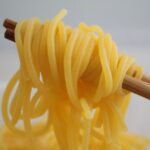
Calories in brown pasta: 233 calories per 1 cup spaghetti not packed (169 g)
- 5.8 g protein
- 54 g carbs
- 2.8 g fat
- 2.9 g fiber
Source: USDA FoodData Central · 138 kcal per 100 g
One cup of cooked brown pasta (spaghetti, not packed, 169 g) has 233 calories in the USDA record, with 54 g of carbohydrate, 5.8 g of protein and 2.8 g of fat. The record is for gluten-free pasta made from brown rice flour, so the numbers reflect that product rather than wheat-based whole grain pasta.
The most notable thing is how little of the calorie count comes from anything other than carbohydrate. Carbs make up 82% of calories, protein 9% and fat 10%.
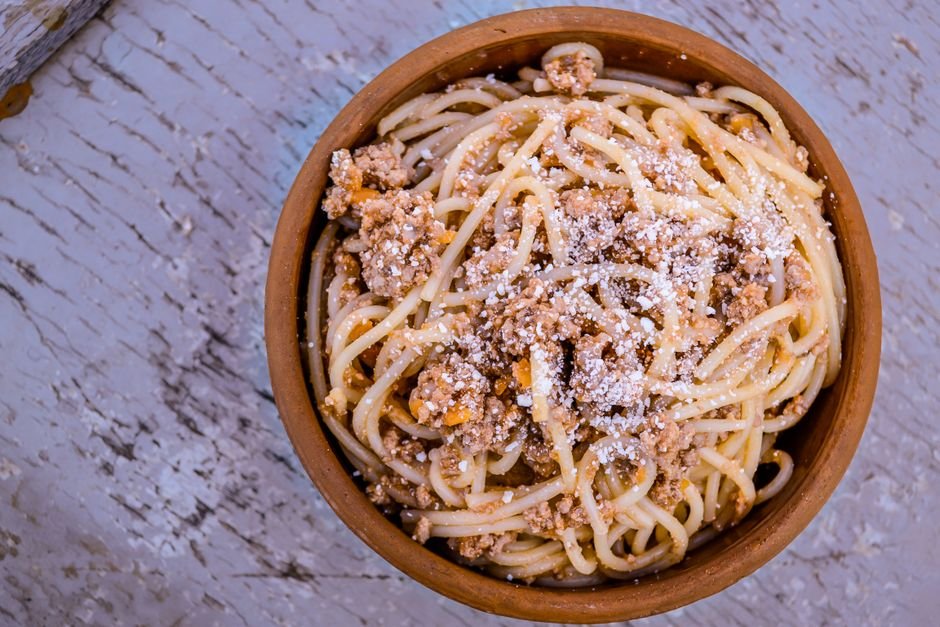
Calories in Brown Pasta by Serving Size
Calories in brown pasta for each common serving, with protein, carbs and fat:
| Serving | Calories | Protein | Carbs | Fat |
|---|---|---|---|---|
| 1 cup spaghetti not packed (169 g) | 233 | 5.8 g | 54 g | 2.8 g |
| 1 cup penne not packed (131 g) | 181 | 4.5 g | 42 g | 2.2 g |
| 1 cup fettucini not packed (153 g) | 211 | 5.3 g | 49 g | 2.6 g |
| 1 cup spirals not packed (136 g) | 188 | 4.7 g | 44 g | 2.3 g |
| 1 cup elbows not packed (131 g) | 181 | 4.5 g | 42 g | 2.2 g |
| 1 cup shells not packed (156 g) | 215 | 5.4 g | 50 g | 2.6 g |
| 100 g | 138 | 3.5 g | 32 g | 1.7 g |
| 1 oz | 39 | 1 g | 9.1 g | 0.5 g |
Brown Pasta Nutrition Facts
Calories in brown pasta and the full nutrition facts per 1 cup spaghetti not packed (169 g):
| Nutrient | Amount | % Daily Value* |
|---|---|---|
| Calories | 233 kcal | |
| Protein | 5.8 g | 12% |
| Total Fat | 2.8 g | 4% |
| Saturated Fat | 0.3 g | 2% |
| Trans Fat | 0 g | |
| Cholesterol | 0 mg | 0% |
| Sodium | 6.8 mg | 0% |
| Total Carbohydrate | 54 g | 20% |
| Dietary Fiber | 2.9 g | 10% |
| Total Sugars | 0 g | |
| Calcium | 8.5 mg | 1% |
| Iron | 0.9 mg | 5% |
| Potassium | 42 mg | 1% |
| Magnesium | 61 mg | 14% |
| Zinc | 1.4 mg | 13% |
| Phosphorus | 147 mg | 12% |
| Selenium | 19 mcg | 34% |
| Vitamin K | 0.5 mcg | 0% |
| Thiamin (B1) | 0.2 mg | 13% |
| Riboflavin (B2) | 0.1 mg | 11% |
| Niacin (B3) | 2.5 mg | 15% |
| Vitamin B6 | 0.1 mg | 7% |
| Folate (DFE) | 6.8 mcg | 2% |
Where the calories come from: 82% carbs · 10% fat · 9% protein
*Percent Daily Values are based on a 2,000-calorie diet (FDA reference values). Source: USDA FoodData Central — Pasta, gluten-free, brown rice flour, cooked, TINKYADA (FDC ID 172026, SR Legacy, published 4/1/2019). Values for other servings are calculated from the per-100 g data.
How Many Calories Are in Brown Pasta by Shape?
Calories depend mostly on how much pasta fits in the measure, and the shape changes that. The USDA record lists these cooked amounts, each as one cup not packed:
- Spaghetti (169 g): 233 kcal, 54 g carbs
- Fettuccine (153 g): 211 kcal, 49 g carbs
- Shells (156 g): 215 kcal, 50 g carbs
- Spirals (136 g): 188 kcal, 44 g carbs
- Penne (131 g): 181 kcal, 42 g carbs
- Elbows (131 g): 181 kcal, 42 g carbs
Penne and elbows show the same numbers in the record, which fits their similar size. Weighing your portion is more accurate than scooping, because a cup of pasta can vary a lot depending on how tightly it packs.
Does Brown Pasta Have Fiber and Protein?
Per 100 g of cooked brown pasta, the record shows 1.7 g of dietary fiber and 3.5 g of protein. The lead serving (one cup of spaghetti) provides 2.9 g of fiber and 5.8 g of protein. These are modest amounts, and they are not much different from the figures for the other shapes listed.
Because the protein and fiber are low relative to the carbohydrate, the pasta will be filling mainly through its bulk and starch. If you want more protein at the meal, the sauce, a protein source served with it, or a larger portion is where that would come from.
What Does the Micronutrient Profile Show?
The record includes some B vitamins and minerals. Niacin (B3) is the most notable at 2.5 mg per lead serving, which is 15% DV. The same cup supplies 0.2 mg thiamin (13% DV), 0.1 mg riboflavin (11% DV), 61 mg magnesium (14% DV), 147 mg phosphorus (12% DV), 1.4 mg zinc (13% DV) and 19 mcg selenium (34% DV).
The record lists 0 mg vitamin C, 0 mcg vitamin B12, 0 mcg vitamin A and 0 mcg vitamin D, so this food does not supply those. Check the label of any brand you buy, since fortification varies between products.
Sodium and Fat in Brown Pasta
Plain cooked brown pasta is low in sodium, at 6.8 mg per lead serving (0% DV) and 4 mg per 100 g. Most of the sodium in a pasta dinner comes from salted cooking water, jarred sauce, cheese, and cured meats, so the sauce usually matters more than the pasta itself.
Oil, butter, and cheese added to the dish will add fat and calories on top of these numbers.
How Brown Pasta Compares
Per 100 g, next to similar foods in our database:
| Food (100 g) | Calories | Protein | Carbs | Fat |
|---|---|---|---|---|
| Brown Pasta | 138 | 3.5 g | 32 g | 1.7 g |
| Sweet Rice | 139 | 2.5 g | 31 g | 0.3 g |
| Wheat Noodles | 137 | 4.5 g | 25 g | 2.1 g |
| Rice Vermicelli | 129 | 2.8 g | 22 g | 3.2 g |
| Spelt Pasta | 127 | 5.5 g | 26 g | 0.9 g |
| Barley Flakes | 123 | 2.3 g | 28 g | 0.4 g |
Brown Pasta FAQ
How many calories are in 100 grams of brown pasta?
The USDA record lists 138 kcal per 100 g of cooked brown pasta, with 32 g of carbohydrate, 3.5 g of protein and 1.7 g of fat. Those values are for cooked pasta, not dry.
Does brown pasta have any sugar?
The USDA record lists 0 g of total sugars per serving. Its carbohydrate comes from starch, with 1.7 g of fiber per 100 g.
Is brown pasta low in fat?
Yes. Sauces and added oil or cheese will change those numbers.
The Bottom Line
A one-cup cooked spaghetti serving of brown pasta has 233 calories, mostly from carbohydrate, with low fat and sodium. Weigh your portion and count sauce and toppings separately, since they often add more calories than the pasta.