86 calories in 1 serving of ricotta cheese (55 g)
- 4.3 g protein
- 3.8 g carbs
- 6.1 g fat
Source: USDA FoodData Central · 157 kcal per 100 g
A 55 g serving of ricotta cheese contains 86 calories, 4.3 g of protein, and 6.1 g of fat. Ricotta stands out for its high water content—nearly 73%—which makes it notably lighter and less dense than most other cheeses, despite deriving most of its energy from fat.
The carbohydrate content, at 3.8 g per serving, is unusually high for cheese and comes from the small amount of lactose remaining after the whey is drained.
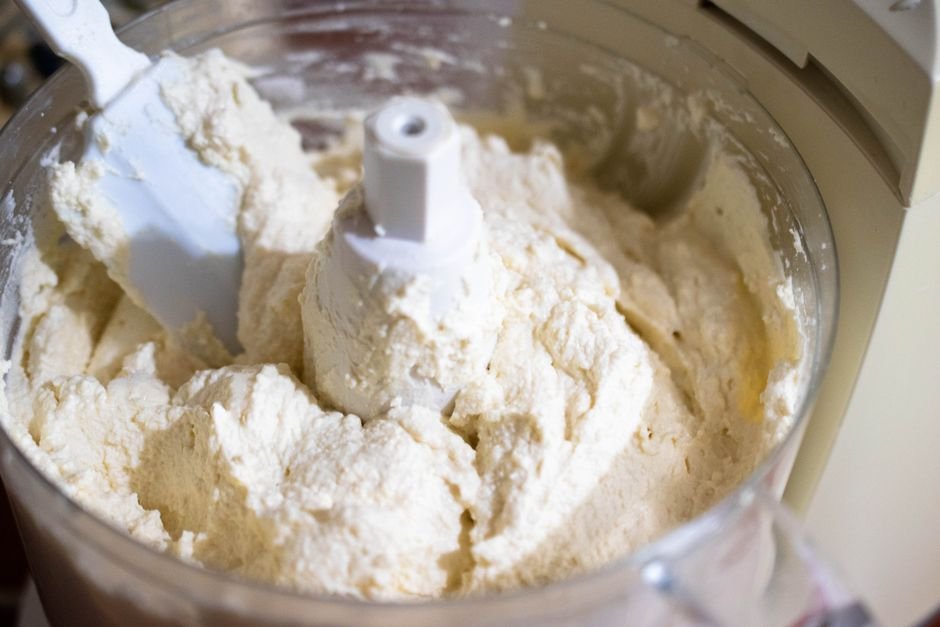
Calories in Ricotta Cheese by Serving Size
| Serving | Calories | Protein | Carbs | Fat |
|---|---|---|---|---|
| 1 serving (55 g) | 86 | 4.3 g | 3.8 g | 6.1 g |
| 0.2 cup (65 g) | 101 | 5 g | 4.4 g | 7.1 g |
| 1 cup (258 g) | 405 | 20 g | 18 g | 28 g |
| 0.5 cup (129 g) | 203 | 10 g | 8.8 g | 14 g |
| 100 g | 157 | 7.8 g | 6.9 g | 11 g |
| 1 oz | 45 | 2.2 g | 1.9 g | 3.1 g |
Ricotta Cheese Nutrition Facts
Per 1 serving (55 g):
| Nutrient | Amount | % Daily Value* |
|---|---|---|
| Calories | 86 kcal | |
| Protein | 4.3 g | 9% |
| Total Fat | 6.1 g | 8% |
| Saturated Fat | 3.8 g | 19% |
| Trans Fat | 0.2 g | |
| Cholesterol | 26 mg | 9% |
| Sodium | 58 mg | 3% |
| Total Carbohydrate | 3.8 g | 1% |
| Calcium | 123 mg | 9% |
| Iron | 0.1 mg | 0% |
| Potassium | 127 mg | 3% |
| Magnesium | 11 mg | 3% |
| Zinc | 0.3 mg | 3% |
| Phosphorus | 89 mg | 7% |
| Selenium | 3 mcg | 6% |
| Vitamin A (RAE) | 70 mcg | 8% |
| Vitamin E | 0.1 mg | 1% |
| Vitamin K | 0.3 mcg | 0% |
| Thiamin (B1) | 0 mg | 2% |
| Riboflavin (B2) | 0.2 mg | 14% |
| Niacin (B3) | 0.1 mg | 1% |
| Vitamin B6 | 0.1 mg | 3% |
| Vitamin B12 | 0.4 mcg | 18% |
Where the calories come from: 63% fat · 20% protein · 17% carbs
*Percent Daily Values are based on a 2,000-calorie diet (FDA reference values). Source: USDA FoodData Central — Cheese, ricotta, whole milk (FDC ID 746766, Foundation, published 12/16/2019). Values for other servings are calculated from the per-100 g data.
Why Ricotta Has More Carbs and Water Than Other Cheeses
Ricotta is made from whey—the liquid byproduct left after making other cheeses—which is why its composition differs so dramatically from aged cheddar or mozzarella. The whey is heated and the solids are collected; this process leaves behind much of the water that gets pressed out during harder cheese production. That’s why ricotta contains 73 g of water per 100 g, compared to 30–40% in most firm cheeses.
The carbohydrate content reflects the lactose naturally present in whey. Per 100 g, ricotta contains 6.9 g of carbs; only about 0.4 g comes from added sweeteners in unsweetened varieties. This makes ricotta reasonable for low-carb diets on a per-serving basis—a 55 g serving has just 3.8 g—but the carb load adds up if you consume it in larger portions.
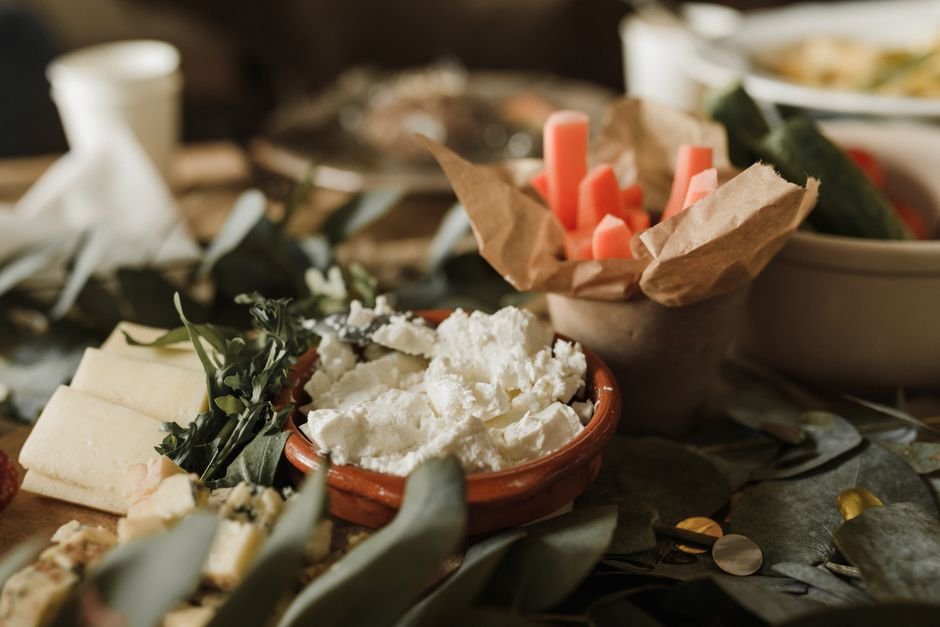
Ricotta Vs. Cottage Cheese and Yogurt
Ricotta and cottage cheese are often confused because both are fresh, white, and whey-based. The key difference is moisture and curd size: ricotta has a finer, smoother curd structure and higher water content, while cottage cheese is deliberately curdled to create larger, distinct curds. Nutritionally, this means cottage cheese is typically denser and has more protein per tablespoon, though ricotta’s lighter texture makes it easier to incorporate into sweet and savory dishes.
Compared to regular yogurt, ricotta contains significantly more fat (6.1 g vs. roughly 1–3 g per serving in low-fat yogurt) but less carbohydrate and similar protein. Ricotta’s fat gives it a richer mouthfeel and makes it more satiating, while yogurt often contains added sugars and live cultures for digestive health.
Saturated Fat and Cholesterol in Whole Milk Ricotta
The saturated fat content reflects its origin as a whole milk product; low-fat and part-skim versions are available and reduce both figures significantly, though they sacrifice some of ricotta’s creamy texture and fat-soluble vitamins like vitamin A.
Best Uses and Storage to Keep Ricotta Fresh
Ricotta is highly perishable because of its high water content and lack of the salt levels and aging that preserve harder cheeses. Once opened, it should be kept in an airtight container at 40°F (4°C) and consumed within 3–5 days. Unopened ricotta typically lasts until the printed date on the package.
Its mild flavor and creamy texture make it ideal for sweet applications—ricotta pancakes, cheesecake, cannoli filling—and savory ones like lasagna, ravioli, and pasta bakes. Because ricotta is often mixed with other ingredients, pay attention to added sodium and sugar in recipes; plain ricotta has only 105 mg of sodium per 100 g, but many prepared ricotta products contain twice that.
How Ricotta Cheese Compares
Per 100 g, next to similar foods in our database:
| Food (100 g) | Calories | Protein | Carbs | Fat |
|---|---|---|---|---|
| Ricotta Cheese | 157 | 7.8 g | 6.9 g | 11 g |
| Turkey Sausage | 155 | 19 g | 0.5 g | 8.1 g |
| Beef Steak | 149 | 21 g | 0.2 g | 6.5 g |
| Cottage Cheese Carton | 148 | 11 g | 4.3 g | 9.7 g |
| Chicken Thigh | 193 | 17 g | -0.2 g | 13 g |
| Turkey Breast | 114 | 24 g | 0.1 g | 1.5 g |
Ricotta Cheese FAQ
Can I eat ricotta if I'm lactose intolerant?
Whole milk ricotta still contains lactose—about 6.9 g per 100 g—so it is not suitable for those with lactose intolerance. Low-lactose or lactose-free versions made with lactase-treated milk are available at many retailers and may be tolerated better, though you should check the label and your individual response.
Does ricotta work for a high-protein diet?
A 55 g serving provides 4.3 g of protein, which is modest per ounce but reasonable for a cheese. A full cup (258 g) contains 20 g of protein, making it useful in high-protein recipes like ricotta-based smoothies or breakfast bowls, though you'd also consume 405 calories in that amount.
Is ricotta lower in sodium than other cheeses?
Ricotta contains 105 mg of sodium per 100 g, which is relatively low for cheese. A 55 g serving has 58 mg—less than 3% of the daily value—making it one of the less salty fresh cheeses, though prepared varieties and those with added ingredients may be much higher.
What's the difference between whole milk and part-skim ricotta?
Whole milk ricotta, the data shown here, contains 11 g of total fat and 157 calories per 100 g. Part-skim versions are lower in both fat and calories while retaining similar protein; the exact nutrition varies by brand but generally cuts fat by 30–40%.
The Bottom Line
Ricotta cheese is lighter and more water-rich than other cheeses, making a 55 g serving an 86-calorie addition to dishes. Its carbohydrate and saturated fat content are higher than expected for cheese, so portion size and the rest of your meal matter more than the cheese itself.