
Cherries are a beloved summer fruit enjoyed fresh, frozen, or in countless desserts across North America, Europe, and Asia. They’re especially popular among people watching their weight, managing blood sugar, or simply seeking nutrient-dense snacks. The seasonal peak of cherry season—late spring through early summer—drives demand from fitness enthusiasts, athletes, and anyone looking to add antioxidant-rich foods to their diet.
But when you’re counting calories or tracking macros, the question becomes simple: how many calories are in cherries? This guide breaks down the exact calorie content, full nutrition facts, and practical strategies for incorporating them into your daily eating plan.
Calories in Cherries (Quick Answer)
A standard cup of fresh, pitted sweet cherries contains roughly 97 calories—a low-calorie choice for anyone managing intake.
- 1 cup (154g) fresh sweet cherries: 97 calories
- 1 cup (155g) fresh tart cherries: 77 calories
- ½ cup dried cherries (40g): 134 calories
Calorie counts vary based on ripeness, variety, and whether the cherries are fresh, frozen, or dried. Dried cherries are more calorie-dense due to water loss.
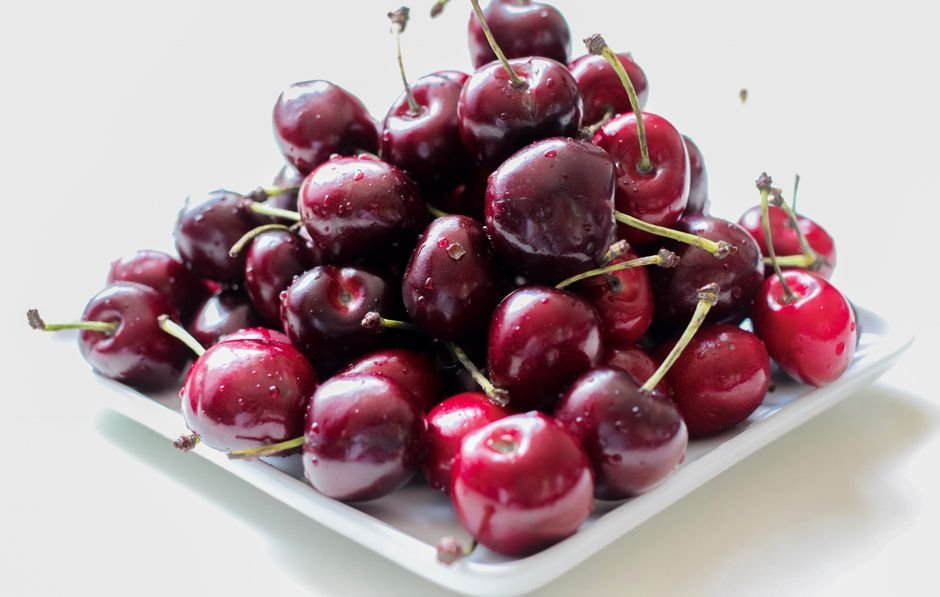
Full Nutrition Facts for 1 Cup (154g) of Fresh Sweet Cherries
Sweet red cherries are a nutrient-rich choice when measured at a standard cup serving. Here’s the complete breakdown of macronutrients and key micronutrients:
| Nutrient | Amount | % Daily Value |
|---|---|---|
| Calories | 97 | — |
| Total Fat | 0.3g | <1% |
| Saturated Fat | 0.1g | <1% |
| Cholesterol | 0mg | 0% |
| Sodium | 2mg | <1% |
| Total Carbohydrate | 25g | 8% |
| Dietary Fiber | 2.5g | 9% |
| Total Sugars | 20g | — |
| Protein | 1.6g | 3% |
| Vitamin C | 16mg | 27% |
| Potassium | 268mg | 8% |
| Copper | 0.11mg | 12% |
*Percent Daily Values are based on a 2,000-calorie diet. Source: USDA FoodData Central.
Key insight: Cherries deliver nearly 10% of your daily fiber in a single cup—surprisingly high for a fruit, and crucial for digestive health. The natural sugars (20g per cup) do add up, but the fiber and low sodium content make them a solid choice even for people managing blood sugar, as long as portions are controlled.

Etekcity Food Scale
0.1g accuracy — the perfect companion for exact portions.
Sweet Red Cherries vs. Tart Dark Cherries: Which Is Better?
Sweet Red Cherries
- 97 calories per cup; naturally sweeter with less tartness
- Higher in sugar (around 20g), making them taste more dessert-like
- Slightly better source of vitamin C and copper
Tart Dark Cherries
- 77 calories per cup; distinctly sour flavor, rarely eaten fresh whole
- Lower sugar content (around 16g), marketed for anti-inflammatory benefits
- More anthocyanins (dark pigment), linked to better recovery and joint health
Practical takeaway: Sweet red cherries are the better snack for pure enjoyment and convenience (eat them straight from the bowl). Tart cherries are the better choice if you’re trying to minimize sugar intake or looking for enhanced anti-inflammatory properties—though they’re usually found dried or as juice. Pick whichever variety fits your goals and palate; both are nutritionally solid.
Is Cherries Good for Weight Loss?
Yes—cherries can absolutely fit into a weight-loss plan. At under 100 calories per cup and delivering 2.5g of fiber (which promotes satiety), they’re one of the better fruits for calorie-conscious eating. The natural sugars are a drawback if you’re strictly limiting carbs, but for standard calorie restriction or balanced macros, a cup of cherries is a smart choice. Just watch portion size; a bowl can quickly become two or three.
Tips to Eat Cherries Without Gaining Weight:
- Pre-portion: Pit and measure a cup into a container rather than eating directly from the bag—it prevents mindless overeating.
- Pair with protein: Combine a handful of cherries with Greek yogurt or almonds to stabilize blood sugar and increase satiety.
- Skip dried and juice: Stick to fresh or frozen; dried cherries are 3–4× more calorie-dense, and cherry juice removes the fiber.
- Track the carbs: One cup has 25g carbs; if you’re doing low-carb, adjust other meals accordingly or reduce cherry portions to a small handful.
When eaten mindfully, cherries are a nutritional asset to weight loss—not an obstacle.
How Portion Size Affects Calories
Portion control is critical with cherries because they’re easy to overeat. A small handful and a full bowl look similar in your hand but carry vastly different calorie counts. Being precise about how many cherries you’re eating prevents the “just a few more” trap that derails diets.
Example:
- Small handful (10–12 cherries, ~50g): ~31 calories, 8g carbs
- Full cup (154g, ~24 cherries): 97 calories, 25g carbs
Doubling your portion nearly doubles your calorie intake—so measure and be intentional.
Best Way to Measure Cherries Accurately
The most reliable method is a kitchen scale: weigh 154g for a standard serving, which equals one cup. Visual estimation or “handful” portions are prone to error and often result in larger servings than intended. Even a slight overestimation becomes significant when eaten daily.
Options:
- Digital kitchen scale: Place cherries in a bowl on the scale and zero it out. Accurate to the gram.
- Measuring cup: Fill a standard 1-cup measure (240ml) with pitted cherries. Quick and reliable for consistent portions.
- Count individual cherries: One cup of sweet cherries is roughly 24 cherries. Count them out for precision without a scale.
Calculate Your Exact Calorie Intake
Knowing the calories in one cup is helpful—but what if you eat only half a cup, or mix cherries into a salad with nuts and dressing? Individual foods add up quickly, and tracking becomes inaccurate without precision tools.
Our site offers a free AI nutrients calculator that breaks down the complete macronutrient profile of any food and portion size. Enter “cherries” and the exact gram weight you’re eating, and instantly see calories, carbs, protein, fiber, and micronutrients—no guesswork. Use the calculator here.
- Instant macronutrient breakdown for any portion size
- Track fiber, sugar, and micronutrients in real time
- Cross-reference multiple foods to build balanced meals
Common Mistakes When Eating Cherries
Even though cherries are nutritious, several common habits can derail your nutrition goals. Watch out for these pitfalls:
❌ Eating directly from the bag without measuring. Cherries are easy to overeat, and portion size inflates quickly when you’re not counting.
❌ Choosing dried or canned cherries with added sugar instead of fresh or frozen. Dried cherries contain 3–4× the calories, and canned varieties often include syrup that adds 50+ extra calories per serving.
❌ Forgetting to account for the pit when calculating calories. When recipes call for “pitted” cherries, the weight is lower—a serving of unpitted cherries looks bigger than it is.
❌ Pairing cherries with high-calorie additions without tracking them. A cup of cherries with whipped cream, chocolate, or sweetened yogurt can easily exceed 300 calories—a completely different meal.
Mindful portion control and choosing the right variety will keep cherries working for your goals, not against them.
FAQ
How many calories are in 100g of cherries?
100g of fresh sweet cherries contains approximately 63 calories. This is a useful reference if you’re measuring with a scale rather than counting pieces or using a cup measure.
Are cherries fattening?
No. Cherries are naturally low in fat (0.3g per cup), low in calories (97 per cup), and contain essentially zero cholesterol. They become problematic only when overeaten or when mixed with calorie-dense toppings or sauces.
Do tart cherries have less sugar than sweet cherries?
Yes. Tart (sour) cherries contain roughly 16g sugar per cup, compared to 20g in sweet red cherries. The difference isn’t dramatic, but it’s meaningful for people managing blood sugar or following a lower-carb diet.
Are frozen cherries as nutritious as fresh?
Yes, frozen cherries retain nearly all nutrients because they’re frozen at peak ripeness. They’re identical in calories and macros to fresh cherries and are often cheaper and available year-round—a practical alternative when fresh are out of season.
Conclusion
Cherries are a nutrient-dense, low-calorie fruit that fits into nearly any diet. With 97 calories, 2.5g fiber, and nearly 30% daily value of vitamin C per cup, they deliver real nutritional value without excess. The natural sugar content is moderate, and the total carb load is manageable with portion control. Whether you’re focused on weight loss, building muscle, or simply eating well, cherries are a smart seasonal choice.
The key to success is measurement: use a scale, measuring cup, or count individual cherries to stay within your calorie and carb targets. Pair them with protein, skip dried and sugary varieties, and track them alongside other foods. For precise macro tracking across all your meals, a reliable nutrients calculator removes the guesswork and keeps you accountable to your actual goals.
