Calories in chickpea sprouts cooked: 76 calories per 1 cup (94 g)
- 8 g protein
- 6.1 g carbs
- 4.2 g fat
- 0.8 g fiber
Source: USDA FoodData Central · 81 kcal per 100 g
One cup (94 g) of cooked chickpea sprouts has 76 calories in USDA data, with 8 g of protein, 6.1 g of carbohydrate and 4.2 g of fat. That makes it a low-calorie food for the amount of protein it provides, with about 34% of its calories from protein.
The notable part of this food’s profile is its vitamin K and folate. One cup provides 66 mcg of vitamin K (55% DV) and 75 mcg of folate (19% DV), and it is also a source of magnesium and thiamin. Sugar is very low at 0.5 g per cup.
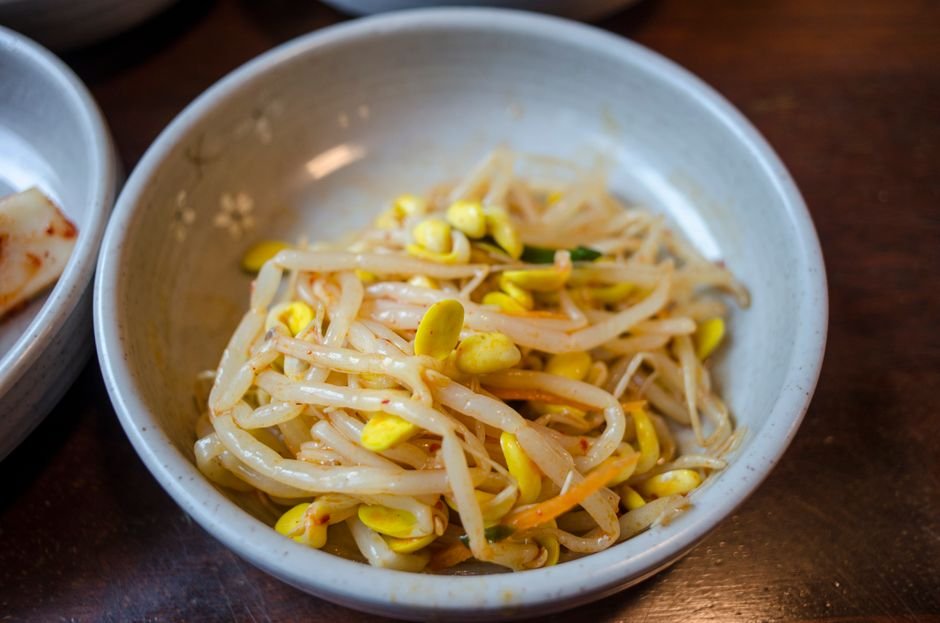
Calories in Chickpea Sprouts Cooked by Serving Size
Calories in chickpea sprouts cooked for each common serving, with protein, carbs and fat:
| Serving | Calories | Protein | Carbs | Fat |
|---|---|---|---|---|
| 1 cup (94 g) | 76 | 8 g | 6.1 g | 4.2 g |
| 100 g | 81 | 8.5 g | 6.5 g | 4.5 g |
| 1 oz | 23 | 2.4 g | 1.9 g | 1.3 g |
Chickpea Sprouts Cooked Nutrition Facts
Calories in chickpea sprouts cooked and the full nutrition facts per 1 cup (94 g):
| Nutrient | Amount | % Daily Value* |
|---|---|---|
| Calories | 76 kcal | |
| Protein | 8 g | 16% |
| Total Fat | 4.2 g | 5% |
| Saturated Fat | 0.6 g | 3% |
| Cholesterol | 0 mg | 0% |
| Sodium | 9.4 mg | 0% |
| Total Carbohydrate | 6.1 g | 2% |
| Dietary Fiber | 0.8 g | 3% |
| Total Sugars | 0.5 g | |
| Calcium | 55 mg | 4% |
| Iron | 1.2 mg | 7% |
| Potassium | 334 mg | 7% |
| Magnesium | 56 mg | 13% |
| Zinc | 1 mg | 9% |
| Phosphorus | 127 mg | 10% |
| Selenium | 0.6 mcg | 1% |
| Vitamin A (RAE) | 1.9 mcg | 0% |
| Vitamin C | 7.8 mg | 9% |
| Vitamin E | 0.2 mg | 1% |
| Vitamin K | 66 mcg | 55% |
| Thiamin (B1) | 0.2 mg | 16% |
| Riboflavin (B2) | 0 mg | 4% |
| Niacin (B3) | 1 mg | 6% |
| Vitamin B6 | 0.1 mg | 6% |
| Folate (DFE) | 75 mcg | 19% |
Where the calories come from: 40% fat · 34% protein · 26% carbs
*Percent Daily Values are based on a 2,000-calorie diet (FDA reference values). Source: USDA FoodData Central — Soybeans, mature seeds, sprouted, cooked, steamed (FDC ID 168460, SR Legacy, published 4/1/2019). Values for other servings are calculated from the per-100 g data.
Why Chickpea Sprouts Are Higher in Protein Than Most Sprouts
Most sprouts are mostly water with little protein. Chickpea sprouts are different: 100 g of cooked sprouts contains 8.5 g of protein, and the lead cup serving provides 8 g. Protein supplies about 34% of the calories in this food, which is a larger share than carbohydrate (26%) or fat (40%) would suggest only if you look at fat alone; fat is the largest calorie source by percentage.
Water is the biggest part of the weight. The USDA record lists 79 g of water per 100 g, so a cup of these sprouts is mostly liquid and fiber-light, which is one reason the calorie count stays modest.
Does Cooking Change the Numbers?
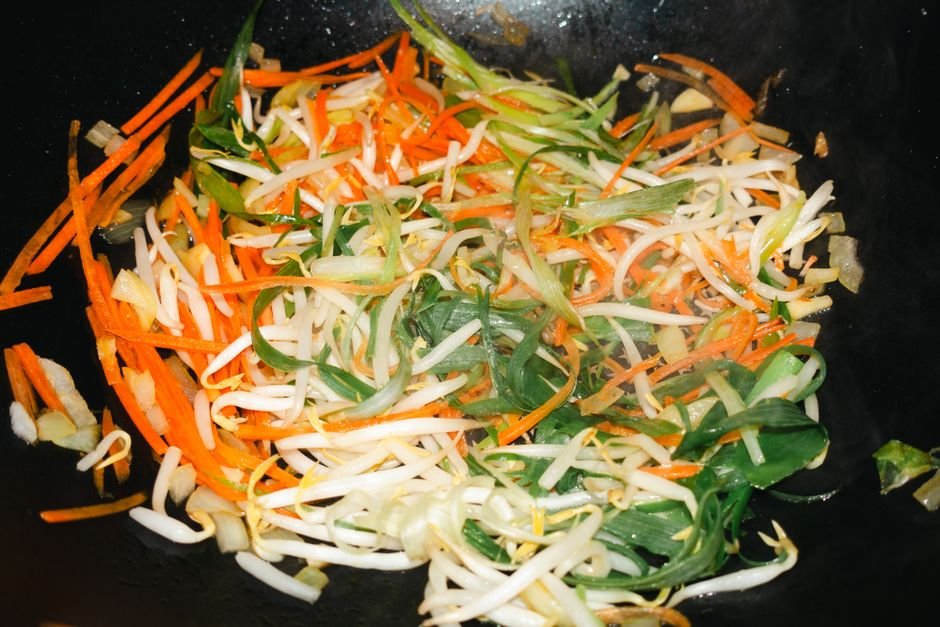
The numbers on this page are for sprouts that have been cooked, following the USDA record for steamed, sprouted seeds. Cooking softens the sprouts and changes the water content, so the same weight of raw sprouts will not match these figures.
If you cook sprouts yourself, keep the method in mind. Steaming, as in the source record, keeps the sprouts mostly intact. Boiling or long cooking can move some water-soluble nutrients into the cooking liquid, including the vitamin C and B vitamins listed here. Eating the liquid, such as in a soup, keeps those nutrients in the meal.
Sodium, Sugar and Fat: What to Watch
On its own, this food is low in sodium. A cup contains 9.4 mg, which is 0% DV, and sugar is 0.5 g per cup.
Sodium is the number that changes most in real meals. Seasoned, canned, or restaurant preparations can add much more salt than the plain cooked sprouts shown here, so check labels or recipes if you are watching sodium.
How Chickpea Sprouts Fit Into a Meal
Because one cup has 76 calories and 8 g of protein, it works as a light addition to a bowl, salad or stir-fry rather than a main calorie source. Its vitamin K content is high relative to the calories, so it can be a useful way to add that vitamin to a meal. A cup also gives 7.8 mg of vitamin C (9% DV).
Pairing the sprouts with a fat source such as oil will add calories, since fat supplies 40% of this food’s calories on its own. Keep the added oil in mind when you track a meal.
How Chickpea Sprouts Cooked Compares
Per 100 g, next to similar foods in our database:
| Food (100 g) | Calories | Protein | Carbs | Fat |
|---|---|---|---|---|
| Chickpea Sprouts Cooked | 81 | 8.5 g | 6.5 g | 4.5 g |
| Navy Bean Sprouts | 78 | 7.1 g | 15 g | 0.8 g |
| Mung Bean Noodles | 84 | 0 g | 21 g | 0 g |
| Pinto Beans Refried | 87 | 4.1 g | 13 g | 1.9 g |
| Split Pea Soup | 71 | 3.9 g | 12 g | 0.9 g |
| Lima Bean Sprouts | 92 | 4.3 g | 19 g | 0.5 g |
Chickpea Sprouts Cooked FAQ
How many calories are in 100 g of chickpea sprouts cooked?
100 g of cooked chickpea sprouts has 81 kcal, with 8.5 g of protein, 6.5 g of carbohydrate and 4.5 g of fat. The lead serving, 1 cup (94 g), has 76 kcal.
How much folate is in one cup of chickpea sprouts?
One cup (94 g) provides 75 mcg of folate (DFE), which is 19% of the Daily Value. The same figure per 100 g is 80 mcg.
Are chickpea sprouts high in sugar?
No. One cup contains 0.5 g of total sugars, and the carbohydrate is mostly starch and fiber. The record lists 0.8 g of dietary fiber per cup.
The Bottom Line
One cup of cooked chickpea sprouts has 76 calories, 8 g of protein and very little sugar, with vitamin K at 55% DV. Watch added oil and salt, since the plain sprouts are low in both.