
Corn is one of the world’s most widely eaten grains, found in everything from side dishes to processed foods, snacks, and beverages. It’s a staple across cultures—boiled, grilled, or fresh off the cob—and a favorite at summer barbecues and family dinners. Whether you’re tracking calories for weight loss, managing blood sugar, or simply curious about your nutrition, understanding corn’s calorie content and macronutrient profile is essential for making informed dietary choices.
But how many calories are actually in corn, and does it fit your health goals? This guide breaks down the exact calorie counts for different preparations, complete nutrition facts, and practical tips for including corn in a balanced diet.
Calories in Corn (Quick Answer)
Here are the calorie counts for common corn servings:
- One medium corn cob (cooked, boiled): 77 calories
- One cup of cooked corn kernels: 132 calories
- One cup of raw corn kernels: 111 calories
Calorie values vary slightly depending on cooking method, water content, variety, and whether the corn is fresh, frozen, or canned. Boiling adds minimal calories, while butter, oil, or salt added during preparation will increase the total.
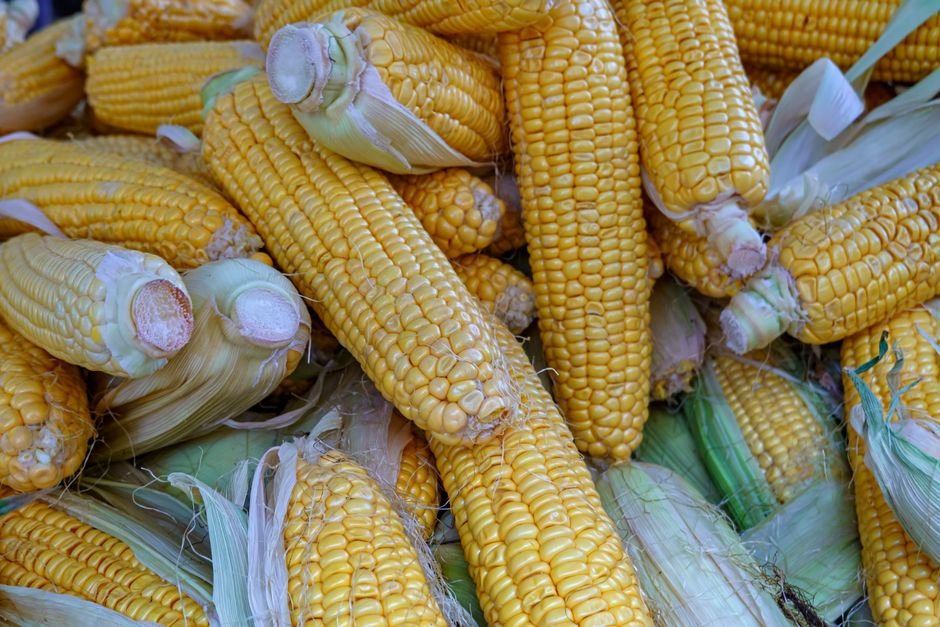
Full Nutrition Facts for One Medium Corn Cob (Cooked)
A medium boiled corn cob (about 77g) provides a snapshot of corn’s nutrient density. Here’s the complete breakdown:
| Nutrient | Amount | % Daily Value |
|---|---|---|
| Calories | 77 | 4% |
| Total Fat | 1.1g | 1% |
| Saturated Fat | 0.2g | 1% |
| Cholesterol | 0mg | 0% |
| Sodium | 15mg | 1% |
| Total Carbohydrate | 17g | 6% |
| Dietary Fiber | 2.3g | 8% |
| Total Sugars | 3.4g | 7% |
| Protein | 2.7g | 5% |
| Vitamin B6 | 0.10mg | 6% |
| Folate | 34mcg | 9% |
| Potassium | 224mg | 5% |
*Percent Daily Values are based on a 2,000-calorie diet. Source: USDA FoodData Central.
Key insight: Corn is predominantly carbohydrate-based, with about 2.3g of dietary fiber per cob, making it a moderate source of plant fiber. The natural sugar content (3.4g per cob) is relatively low for a grain vegetable. Notably, corn contains folate, a B-vitamin critical for cell division and DNA synthesis, making it valuable for pregnant women and those seeking micronutrient density.
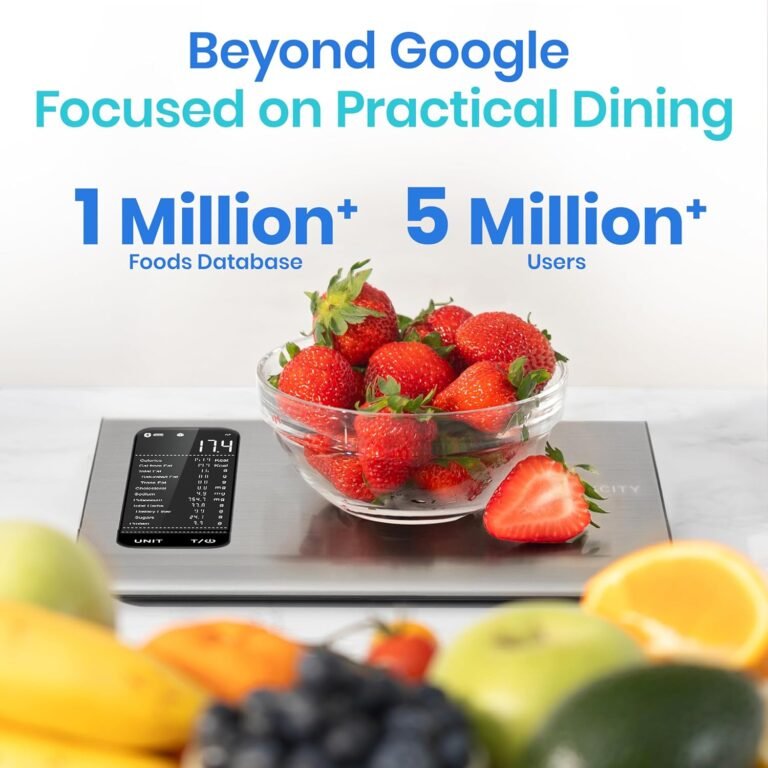
Etekcity Food Scale
0.1g accuracy — the perfect companion for exact portions.
Corn on the Cob vs. Corn Kernels
Corn can be eaten fresh on the cob or as loose kernels—either canned, frozen, or fresh-cut. While nutritionally similar, the form affects portion control and preparation ease.
Corn on the Cob
- Natural portion control—one cob is a standard serving, making it easier to avoid overeating
- Lower calorie density per ear compared to loose kernels due to water weight in fresh cobs
- Requires minimal preparation; just boil or grill, and it stays whole during cooking
Corn Kernels
- Easier to mix into salads, soups, and grain bowls; more versatile for recipes
- Denser in calories per cup since you’re eating more kernel mass without the water and cob structure
- Faster to cook (already detached) and simpler to measure for exact portion control using a measuring cup
Practical takeaway: If you’re watching portions, corn on the cob naturally limits intake to one or two ears. For meal prep and precise calorie tracking, use a measuring cup with loose kernels. Frozen kernels have virtually the same nutrition as fresh and are often cheaper and more convenient.
Is Corn Good for Weight Loss?
Corn can fit into a weight-loss diet when consumed in controlled portions. At 77 calories per medium cob and 132 calories per cooked cup, it’s moderate in calories and relatively filling due to fiber and carbohydrate content. However, corn is calorie-dense compared to non-starchy vegetables (broccoli, leafy greens), and portions can add up quickly. The key is pairing it with protein and healthy fats while keeping portions modest—typically one cob or half to three-quarter cup of kernels per serving.
Tips to Eat Corn Without Gaining Weight
- Boil or grill, don’t slather in butter: A drizzle of olive oil or a squeeze of lime is flavorful and keeps calories low. Butter adds 100+ calories per tablespoon.
- Stick to one cob or measure kernels: Use a measuring cup for loose kernels to avoid unintentional overconsumption (it’s easy to add a second cup without noticing).
- Pair with protein and greens: Serve corn with grilled chicken, fish, or beans, and add a large salad to increase satiety without adding many calories.
- Choose fresh or frozen, limit canned: Canned corn often contains added sugars and sodium. Fresh and frozen varieties retain nutrients without additives.
When eaten mindfully as part of a balanced plate, corn supports weight loss or maintenance without deprivation or guilt.
How Portion Size Affects Calories
Portion size dramatically changes corn’s calorie impact. A single cob is roughly 77 calories, but eating two or three ears adds up quickly. Similarly, it’s easy to underestimate cup measures of loose kernels, especially if you’re eating directly from a bowl without measuring. Being intentional about portion size is the single most important factor in controlling corn’s caloric contribution to your diet.
Example
- Small portion: One medium corn cob (boiled) = 77 calories, 17g carbs
- Large portion: Two medium corn cobs (boiled) = 154 calories, 34g carbs
Doubling your portion doubles the calories—and the macros. Always measure or use natural portions (one cob) as your baseline.
Best Way to Measure Corn Accurately
Accurate measurement is essential for calorie tracking. Because corn on the cob comes in varying sizes and kernels settle differently in containers, standardizing your approach prevents accidental overeating. The most reliable methods use weight or volume with consistency.
Options
- Kitchen scale (most accurate): Weigh fresh or cooked corn by the gram. One medium cob weighs about 77g, or one cup of kernels weighs roughly 130g when cooked.
- Measuring cup: Use a standard 1-cup measure for loose kernels (cooked or frozen). Fill it level and don’t pack—pack down and you’ll exceed 1 cup.
- Count whole cobs: The simplest method for corn on the cob—one cob = one standardized serving. This removes guesswork entirely.
Calculate Your Exact Calorie Intake
If corn is a regular part of your diet, knowing your exact calorie and nutrient intake can help you make better choices. Tracking becomes easier when you understand not just calories, but also carbs, protein, and fiber—all of which affect satiety and long-term health.
Our free AI-powered nutrients calculator lets you input corn (or any food) in your exact portion size and instantly see a complete nutritional breakdown. No more guessing or relying on averages.
- Calculate macros for your exact portion size, whether it’s one cob, half a cup, or a full serving
- Track daily totals across all foods to ensure balanced nutrition and stay within your calorie goals
- Identify nutrient gaps (like fiber or potassium) and adjust your diet accordingly
Use the free calculator now to take the guesswork out of portion control.
Common Mistakes When Eating Corn
Even though corn is a whole grain and vegetable, there are easy ways to derail your nutrition goals when eating it. Here are the most common pitfalls:
❌ Loading it with butter or mayo-based toppings. A tablespoon of butter adds 100 calories; a tablespoon of mayo adds 90. What started as a 77-calorie cob becomes 250+ calories with toppings alone.
❌ Drinking corn-based beverages without tracking them. Corn syrup is in sodas, juices, and many sweetened drinks. A single 12oz soda contains 140+ calories and 39g of sugar—equivalent to five corncobs in sugars alone.
❌ Eating popcorn as a “light snack” and losing track of portions. Three cups of buttered popcorn (a normal serving) contains 300+ calories and sodium equivalent to a full meal. It’s easy to eat a whole bag without realizing.
❌ Confusing canned creamed corn with whole corn. Creamed corn adds heavy cream, sugar, and sodium, doubling or tripling the calorie content. A cup of regular canned corn has 130 calories; creamed corn has 180-250.
Being aware of these traps helps you enjoy corn as a nutritious staple, not an accidental calorie bomb.
FAQ
How many calories are in 100g of corn?
100g of cooked corn kernels contains approximately 86 calories. This is useful for precise tracking if you’re weighing your portions on a kitchen scale.
Is corn fattening?
Corn itself is not fattening when eaten in reasonable portions (one cob or ¾ cup kernels). At 77 calories per cob, it’s moderate in calories. However, corn-based products (corn chips, sweetened cereals, corn syrup in processed foods) are calorie-dense and can contribute to weight gain. The preparation method and what you add to corn (butter, salt, creamy sauces) matter more than the corn itself.
Does corn spike blood sugar?
Corn has a moderate to high glycemic index, meaning it raises blood sugar faster than leafy greens or beans. One medium cob provides 17g of carbohydrates, most of which are sugars and starches. People managing diabetes should monitor portions and pair corn with protein and fat to slow digestion and minimize blood sugar spikes.
Is frozen corn as nutritious as fresh corn?
Yes, frozen corn is nutritionally equivalent to fresh corn and often superior to fresh corn shipped long distances. Corn is flash-frozen at peak ripeness, locking in nutrients. Canned corn loses some fiber and often contains added sodium and sugars, so frozen is the better choice if fresh isn’t available.
Conclusion
Corn is a nutrient-rich grain vegetable that provides 77 calories per medium cob, along with 17g of carbohydrates, 2.3g of fiber, and valuable B-vitamins like folate. It’s neither inherently fattening nor health-damaging—its impact on your diet depends entirely on portion size and preparation. Whether boiled plain or grilled with minimal oil, corn can fit seamlessly into weight-loss, maintenance, or muscle-building diets when eaten mindfully.
The best approach is to measure your portions deliberately, avoid high-calorie toppings, and understand your personal tolerance for carbohydrate-rich foods. For the most accurate tracking, use a reliable nutrients calculator to log your exact serving size and see how corn fits into your daily macros and micronutrient goals.
