
Eggs are one of the most versatile and nutrient-dense foods available, consumed by billions of people worldwide in nearly every cuisine. Whether you’re building muscle, managing weight, or simply fueling your day, eggs deliver complete protein, healthy fats, and essential micronutrients. They’re affordable, quick to prepare, and naturally support a range of dietary goals—from keto and paleo to high-protein fitness regimens.
But how many calories are actually in an egg, and what makes them nutritionally valuable? This guide breaks down the exact calorie content of eggs by size and preparation method, provides complete nutrition facts, and explains whether eggs fit your health and weight-loss goals.
Calories in Egg (Quick Answer)
A medium-sized chicken egg contains approximately 155 calories, though the exact amount depends on size and cooking method.
- Small egg (38g): 54 calories
- Medium egg (44g): 155 calories
- Large egg (50g): 70 calories
- Extra-large egg (56g): 80 calories
Calorie counts vary slightly based on whether the egg is boiled, fried, scrambled, or poached. Frying adds fat and increases total calories, while boiling and poaching keep calories closer to the raw value.
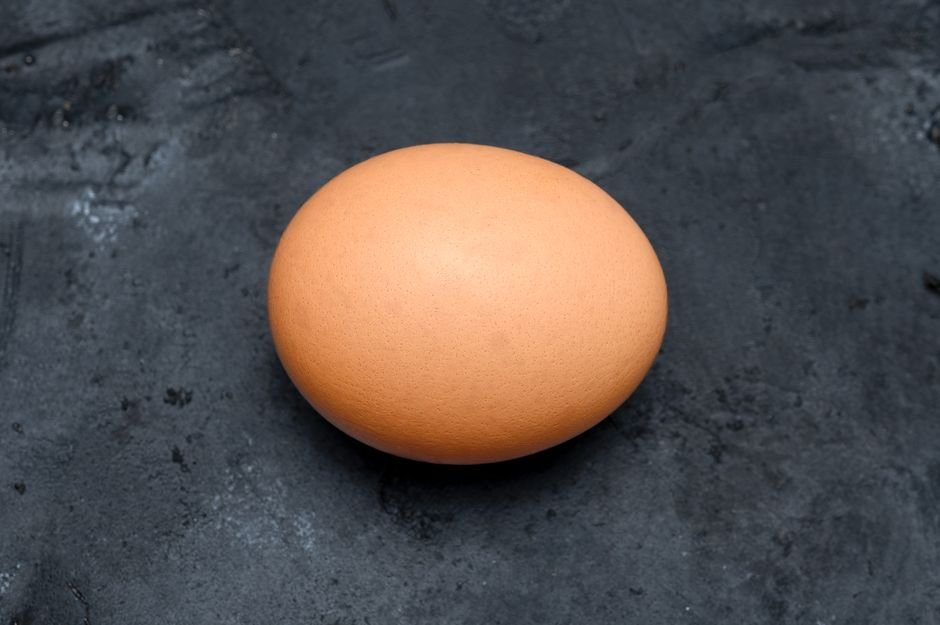
Full Nutrition Facts for One Large Egg (50g)
A large whole egg provides complete protein and all essential amino acids, plus fat-soluble vitamins critical for health. Here’s the detailed breakdown:
| Nutrient | Amount | % Daily Value |
|---|---|---|
| Calories | 70 | — |
| Total Fat | 5g | 6% |
| Saturated Fat | 1.6g | 8% |
| Cholesterol | 186mg | 62% |
| Sodium | 70mg | 3% |
| Total Carbohydrate | 0.6g | <1% |
| Dietary Fiber | 0g | 0% |
| Total Sugars | 0.6g | — |
| Protein | 6g | 12% |
| Choline | 147mg | 27% |
| Selenium | 15.4mcg | 28% |
| Vitamin B12 | 0.6mcg | 10% |
*Percent Daily Values are based on a 2,000-calorie diet. Source: USDA FoodData Central.
Key insight: Eggs are one of the few complete protein sources, containing all nine essential amino acids needed for muscle repair and tissue building. The yolk concentrates choline—a nutrient most people underconsume—which supports brain health and memory function. Despite cholesterol content, dietary cholesterol in eggs has minimal impact on blood cholesterol for most people, and eggs contain lutein and zeaxanthin, powerful antioxidants that protect eye health.
Etekcity Food Scale
0.1g accuracy — the perfect companion for exact portions.
Raw Egg vs. Cooked Egg: Nutrition Comparison
Cooking method affects both calorie absorption and nutrient bioavailability. Raw eggs are identical in calories to their cooked counterparts, but heat changes how your body processes them.
Raw Egg
- 70 calories per large egg; 100% of protein remains intact
- Lower bioavailability—your body absorbs fewer nutrients without heat
- Food safety risk; raw eggs can contain salmonella bacteria
Cooked Egg (Boiled, Scrambled, or Fried)
- 70 calories per large egg (no calories added unless oil is used); improved nutrient absorption
- Heat denatures proteins slightly, making amino acids more accessible to digestion
- Frying in butter or oil adds 30–50 extra calories; poaching and boiling add zero additional calories
Practical takeaway: For maximum nutrient absorption and safety, cook your eggs—boiling, poaching, and scrambling in a non-stick pan with minimal fat are the leanest options. If you fry in butter or oil, account for those added calories (roughly one teaspoon of oil = 40 calories). Raw eggs are riskier and offer no meaningful calorie advantage.

Is Egg Good for Weight Loss?
Yes, eggs are an excellent weight-loss food. At only 70 calories per large egg with 6g of protein, they score high on satiety—meaning they keep you full longer than many other similar-calorie foods. Protein takes more energy to digest, further supporting a calorie deficit. Studies show people who eat eggs for breakfast consume fewer calories throughout the day compared to those eating carb-heavy breakfasts. Their low carbohydrate content and nutrient density make them ideal for sustainable weight loss.
Tips to Eat Egg Without Gaining Weight:
- Boil or poach rather than frying; you save 30–50 calories per egg
- Eat whole eggs (yolk included) for maximum satiety; the yolk contains the nutrients that keep you satisfied
- Pair with vegetables like spinach, peppers, or mushrooms to add volume and fiber without significant calories
- Watch portion size—1 to 3 eggs is a standard serving; more than 4 at one meal adds unnecessary calories
Eggs fit naturally into calorie-controlled eating. Track them accurately (1 large egg = 70 calories) and avoid calorie-dense cooking methods like deep frying or adding cheese and cream sauces.
How Portion Size Affects Calories
Egg size matters. The USDA grades eggs from small to extra-large, and a single size jump can add 15–20 calories. Portion control is straightforward because one egg is a defined unit—unlike foods you must weigh or measure. However, how many eggs you eat in one sitting directly determines your intake, so knowing your serving goal matters.
Example:
- Two small eggs (boiled): 108 calories total
- Two extra-large eggs (boiled): 160 calories total
The difference between two small and two extra-large eggs is roughly 50 calories—significant if you eat eggs daily. Buy consistent sizes and note which grade you typically purchase.
Best Way to Measure Egg Accurately
Since eggs come in defined size grades, you don’t need a kitchen scale to measure them accurately. Simply identify the size of your eggs and use the corresponding calorie count. If you buy eggs from a grocery store, the carton is labeled with size (small, medium, large, or extra-large). For maximum precision, weigh your specific egg on a digital kitchen scale; one large egg weighs approximately 50g, and calories scale proportionally.
Options:
- Use the carton label: Buy a consistent size (large or medium) and use the corresponding calorie count (70 or 55 calories)
- Weigh individual eggs: Use a digital scale; divide weight by 50g and multiply by 70 calories for accurate counts
- Track by count: Log “1 large egg” rather than estimating grams; most nutrition apps recognize this standard unit
Calculate Your Exact Calorie Intake
If eggs are a dietary staple, knowing your exact calorie intake is crucial for weight loss or muscle-building goals. A single variable—like cooking method or egg size—can shift your daily totals. How do you account for the specific preparation method you use, plus all other foods?
The easiest solution is to use a nutrient calculator that breaks down not just calories, but protein, fat, carbs, and micronutrients with a single search. Our free AI-powered nutrients calculator lets you input your exact egg preparation and portion size, then instantly see the full nutritional profile alongside your daily goals.
- Instantly see calories, protein, fat, and carbs for your specific egg preparation
- Track micronutrients like choline and selenium that matter for long-term health
- Compare different cooking methods side-by-side to pick the leanest option
Common Mistakes When Eating Egg
Even a nutritious food can derail progress if eaten incorrectly. Here are the biggest mistakes people make with eggs:
❌ Frying in excessive oil or butter without accounting for calories. One tablespoon of butter adds 100 calories—making a 70-calorie egg jump to 170 calories. Use cooking spray or measure oil carefully.
❌ Only eating egg whites and throwing away the yolk. The yolk contains 90% of the micronutrients and half the protein. You’re eating a less satisfying, less nutritious product.
❌ Assuming all cooking methods are equal. A fried egg with cheese and toast is not the same as a boiled egg. Cooking method can add 40–100+ calories per serving.
❌ Eating more eggs than intended because they’re “healthy.” Eggs are nutrient-dense but not calorie-free. Three to four eggs is roughly 210–280 calories—a substantial meal that’s easy to overeat if you’re not tracking.
Treat eggs with the same portion awareness as any other protein, measure oil when frying, and include the yolk for maximum nutrition and satiety.
FAQ
How many calories are in 100g of egg?
One hundred grams of egg (roughly two large eggs) contains approximately 140 calories. Since a large egg weighs 50g and contains 70 calories, the calculation is straightforward: 70 calories ÷ 50g × 100g = 140 calories per 100g.
Is egg fattening?
No. Eggs are low in calories (70 per large egg) and high in protein, making them one of the most weight-loss-friendly foods available. The misconception dates back to outdated dietary advice about cholesterol; modern research shows eggs do not contribute to unhealthy weight gain when eaten in reasonable portions as part of a balanced diet.
Can I eat eggs every day?
Yes. Eating one to three eggs daily is safe for most adults and provides consistent protein and micronutrient intake. Some people eat more without issue. The key is tracking total calories and protein to match your goals, not limiting eggs arbitrarily.
Do eggs raise cholesterol?
Dietary cholesterol in eggs has minimal impact on blood cholesterol for most people. Your liver controls blood cholesterol levels based on overall diet and genetics. Research shows people eating 1–3 eggs daily do not experience unhealthy cholesterol increases, and eggs provide choline and lutein that actively support heart and brain health.
Conclusion
Eggs are among the most nutritious, weight-loss-friendly foods you can eat. One large egg delivers just 70 calories alongside 6g complete protein, choline for brain health, and lutein for eye protection. Whether you’re building muscle, losing weight, or simply eating well, eggs fit into virtually any dietary goal. The key is knowing your egg size, accounting for cooking methods, and tracking portions like any other food.
For the most accurate nutrition tracking—especially if eggs are a diet staple—use a reliable nutrients calculator to measure your exact intake. This ensures you’re meeting protein and calorie targets while optimizing your daily nutrition. With proper tracking and consistent portion control, eggs can become a cornerstone of your healthiest diet.
