Calories in cranberry juice blend: 14 calories per 1 fl oz (31 g)
- 0 g protein
- 3.5 g carbs
- 0.1 g fat
Source: USDA FoodData Central · 46 kcal per 100 g
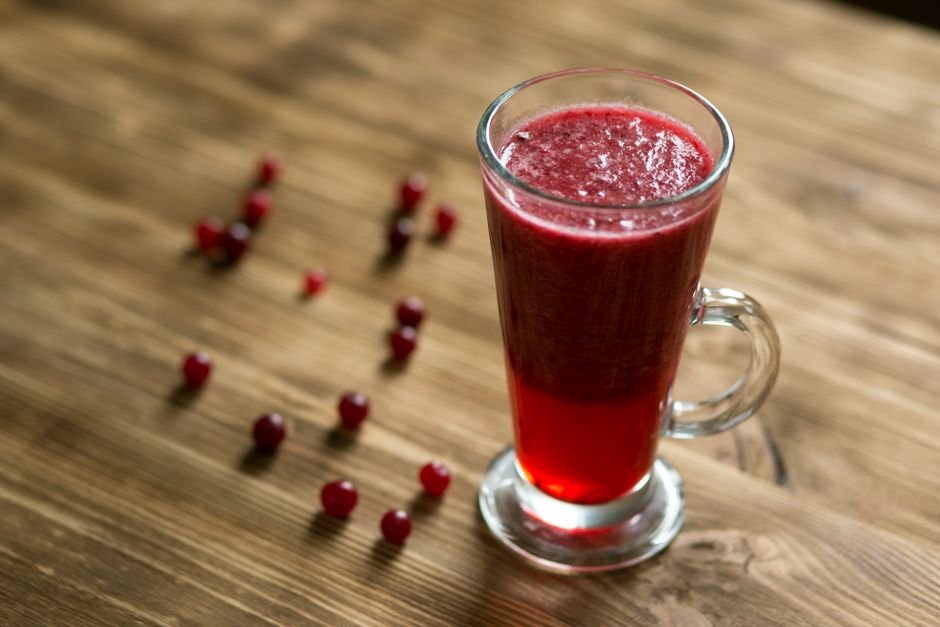
A 1 fl oz serving (31 g) of cranberry juice blend has 14 calories in cranberry juice blend, with 3.5 g of carbohydrate and almost no protein or fat. The USDA record is for a 100% juice blend, so nearly all of those calories come from sugars.
What stands out is how little else the drink contains. Carbohydrate supplies 96% of the calories, and the 2.8 g of sugar in that same 1 fl oz serving makes up most of the carb count. Vitamin C is the only nutrient in the lead serving that reaches a meaningful share of the Daily Value, at 7%.
Calories in Cranberry Juice Blend by Serving Size
Calories in cranberry juice blend for each common serving, with protein, carbs and fat:
| Serving | Calories | Protein | Carbs | Fat |
|---|---|---|---|---|
| 1 fl oz (no ice) (31 g) | 14 | 0 g | 3.5 g | 0.1 g |
| 1 fl oz (with ice) (23 g) | 11 | 0 g | 2.6 g | 0 g |
| 1 fl oz (31 g) | 14 | 0 g | 3.5 g | 0.1 g |
| 1 fun size box (4.23 fl oz) (131 g) | 60 | 0.2 g | 15 g | 0.2 g |
| 1 juice box/pouch (6.75 fl oz) (209 g) | 96 | 0.3 g | 23 g | 0.4 g |
| 100 g | 46 | 0.1 g | 11 g | 0.2 g |
| 1 oz | 13 | 0 g | 3.2 g | 0.1 g |
Cranberry Juice Blend Nutrition Facts
Calories in cranberry juice blend and the full nutrition facts per 1 fl oz (no ice) (31 g):
| Nutrient | Amount | % Daily Value* |
|---|---|---|
| Calories | 14 kcal | |
| Protein | 0 g | 0% |
| Total Fat | 0.1 g | 0% |
| Saturated Fat | 0 g | 0% |
| Cholesterol | 0 mg | 0% |
| Sodium | 2.2 mg | 0% |
| Total Carbohydrate | 3.5 g | 1% |
| Dietary Fiber | 0.1 g | 0% |
| Total Sugars | 2.8 g | |
| Calcium | 3.1 mg | 0% |
| Iron | 0 mg | 0% |
| Potassium | 28 mg | 1% |
| Magnesium | 1.9 mg | 0% |
| Zinc | 0 mg | 0% |
| Phosphorus | 2.5 mg | 0% |
| Selenium | 0 mcg | 0% |
| Vitamin C | 6.6 mg | 7% |
| Vitamin E | 0.1 mg | 1% |
| Vitamin K | 0.4 mcg | 0% |
| Thiamin (B1) | 0 mg | 0% |
| Riboflavin (B2) | 0 mg | 0% |
| Niacin (B3) | 0 mg | 0% |
| Vitamin B6 | 0 mg | 0% |
| Folate (DFE) | 0.6 mcg | 0% |
Where the calories come from: 96% carbs · 3% fat · 1% protein
*Percent Daily Values are based on a 2,000-calorie diet (FDA reference values). Source: USDA FoodData Central — Cranberry juice blend, 100% juice (FDC ID 2709317, Survey (FNDDS), published 10/31/2024). Values for other servings are calculated from the per-100 g data.
How Many Calories Are in a Juice Box or Pouch?
Calories scale directly with volume. A 1 fl oz serving has 14 calories, a fun size box (4.23 fl oz, 131 g) has 60 calories, and a standard juice box or pouch (6.75 fl oz, 209 g) has 96 calories. The per-100 g value is 46 calories, so the pouch number is simply the same drink at a larger weight.
Because the drink is almost all water, the 100 g figure is a useful reference if you pour by weight rather than by the container. The 1 oz serving (28 g) comes in at 13 calories and 3.2 g of carbohydrate, which is close to the 1 fl oz numbers.
Does Ice Change the Calories in Cranberry Juice?
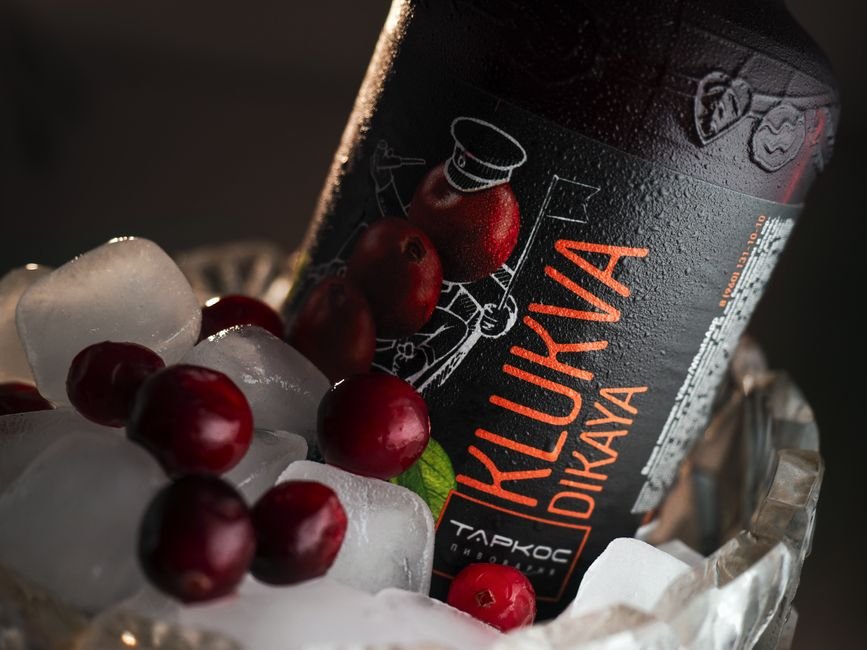
Ice does not add calories, but it changes the serving. A 1 fl oz pour with ice is listed at 23 g and 11 calories with 2.6 g of carbohydrate, while the same pour without ice is 31 g, 14 calories, and 3.5 g of carbohydrate. The difference comes from the weight of the liquid that the ice displaces, so the drink is not diluted in calories per ounce of juice.
If you measure with ice in the glass, you will get fewer calories than the listed value if you count the ice as part of the volume. Measuring the juice before adding ice keeps the count consistent with the no-ice serving.
What Nutrients Stand Out in Cranberry Juice Blend?
The lead serving provides 6.6 mg of vitamin C (7% DV), which is the most notable micronutrient in the data. Potassium is present at 28 mg (1% DV) per fluid ounce, and sodium is low at 2.2 mg per serving.
Fiber is minimal at 0.1 g per fluid ounce, so this is not a source of fiber. The drink is best understood as a source of sugar and water with a small amount of vitamin C, rather than a nutrient-dense food.
Cranberry Juice Blend and Sugar Intake
The sugar in this drink is the main reason it has calories. The lead serving has 2.8 g of total sugars, and a single juice box or pouch (209 g) has 23 g of carbohydrate in total. Because the drink is consumed quickly and has little fiber or protein to slow digestion, it is easy to take in more sugar than you intended.
Checking the sugar line against the portion you actually pour is the simplest way to avoid surprises.
How Cranberry Juice Blend Compares
Per 100 g, next to similar foods in our database:
| Food (100 g) | Calories | Protein | Carbs | Fat |
|---|---|---|---|---|
| Cranberry Juice Blend | 46 | 0.1 g | 11 g | 0.2 g |
| Plum Tomato | 46 | 0.7 g | 11 g | 0.3 g |
| Loquat | 47 | 0.4 g | 12 g | 0.2 g |
| Kiwano | 44 | 1.8 g | 7.6 g | 1.3 g |
| Celeriac | 42 | 1.5 g | 9.2 g | 0.3 g |
| Carrot Juice | 40 | 1 g | 9.3 g | 0.2 g |
Cranberry Juice Blend FAQ
Is cranberry juice blend a good source of vitamin C?
The lead serving of 1 fl oz (31 g) provides 6.6 mg of vitamin C, which is 7% of the Daily Value. Per 100 g the drink has 21 mg, so the amount per ounce is modest.
How much sugar is in a juice box of cranberry juice blend?
A juice box or pouch (6.75 fl oz, 209 g) has 96 calories and 23 g of total carbohydrate. The sugar figure for the full container is not separately listed in the data, but the per-100 g value is 9 g of total sugars.
Does this cranberry juice blend contain protein or fat?
Very little.
The Bottom Line
Cranberry juice blend is mostly water and sugar, at 14 calories per fluid ounce. Measure your pour and count the full container if you drink a juice box or pouch in one sitting.