Calories in elk: 97 calories per 100 g (100 g)
- 20 g protein
- 0 g carbs
- 1.8 g fat
Source: USDA FoodData Central · 97 kcal per 100 g
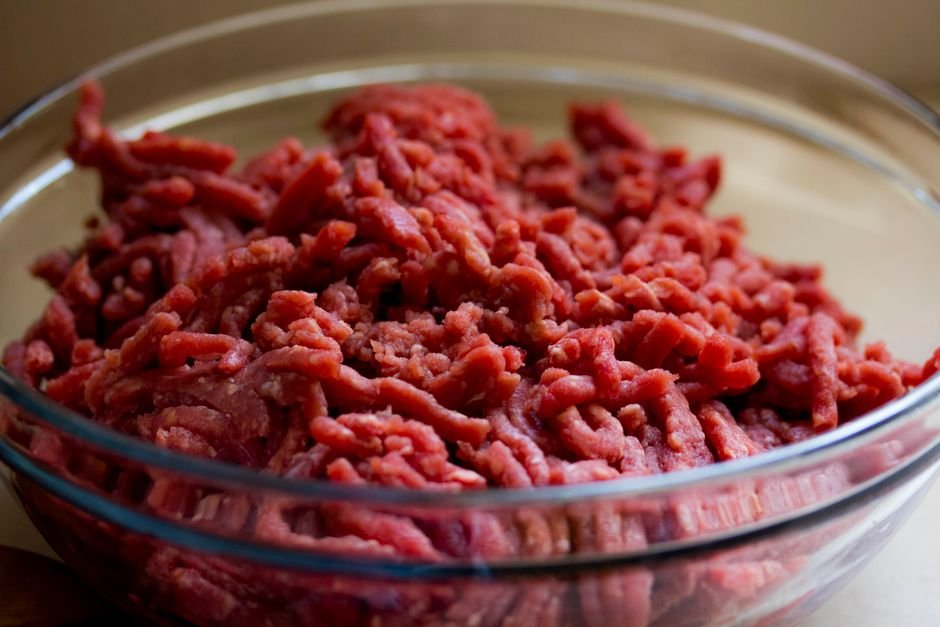
A 100 g serving of raw elk (ground, free range) has 97 calories, with 20 g of protein, 1.8 g of fat and no carbohydrate. That works out to roughly 27 calories per 1 oz (28 g) serving. The numbers are for the raw, as-sold meat, so cooking will change the weight and the density of the meat, though not the calories it started with.
What stands out is how little fat there is for the amount of protein. About 83% of the calories come from protein, 17% from fat and none from carbohydrate. Elk is also a strong source of vitamin B12, zinc and iron by the percentages on the label.
Calories in Elk by Serving Size
Calories in elk for each common serving, with protein, carbs and fat:
| Serving | Calories | Protein | Carbs | Fat |
|---|---|---|---|---|
| 100 g | 97 | 20 g | 0 g | 1.8 g |
| 1 oz | 27 | 5.7 g | 0 g | 0.5 g |
Elk Nutrition Facts
Calories in elk and the full nutrition facts per 100 g (100 g):
| Nutrient | Amount | % Daily Value* |
|---|---|---|
| Calories | 97 kcal | |
| Protein | 20 g | 40% |
| Total Fat | 1.8 g | 2% |
| Saturated Fat | 0.7 g | 4% |
| Trans Fat | 0 g | |
| Sodium | 49 mg | 2% |
| Total Carbohydrate | 0 g | 0% |
| Dietary Fiber | 0 g | 0% |
| Total Sugars | 0 g | |
| Calcium | 4 mg | 0% |
| Iron | 7.2 mg | 40% |
| Potassium | 328 mg | 7% |
| Magnesium | 22 mg | 5% |
| Zinc | 5.8 mg | 53% |
| Phosphorus | 196 mg | 16% |
| Selenium | 14 mcg | 26% |
| Thiamin (B1) | 0.2 mg | 15% |
| Riboflavin (B2) | 0.3 mg | 24% |
| Niacin (B3) | 6 mg | 37% |
| Vitamin B6 | 0.6 mg | 37% |
| Vitamin B12 | 3.5 mcg | 144% |
Where the calories come from: 83% protein · 17% fat · 0% carbs
*Percent Daily Values are based on a 2,000-calorie diet (FDA reference values). Source: USDA FoodData Central — Elk, free range, ground, raw (Shoshone Bannock) (FDC ID 168056, SR Legacy, published 4/1/2019). Values for other servings are calculated from the per-100 g data.
Is Elk Lean Compared to Other Meat?
That is a very low fat level for ground meat. Because the calories are mostly from protein, a 100 g portion delivers 20 g of protein for 97 calories.
The USDA record used here is for free-range ground elk from the Shoshone Bannock. Fat content in wild game can vary by animal, season and how the meat is ground, so the label on a specific package may differ from this entry.

Elk Nutrition: Vitamins and Minerals Worth Noting
The label percentages stand out more than the calories. A 100 g serving provides 144% of the Daily Value for vitamin B12 (3.5 mcg), 53% for zinc (5.8 mg) and 40% for iron (7.2 mg). It also gives 37% of the Daily Value for niacin and for vitamin B6, and 24% for riboflavin.
- Vitamin B12: 3.5 mcg (144% DV)
- Zinc: 5.8 mg (53% DV)
- Iron: 7.2 mg (40% DV)
- Niacin: 6 mg (37% DV)
- Vitamin B6: 0.6 mg (37% DV)
Elk contains no carbohydrate, fiber or sugar, and no vitamin A. Sodium is low at 49 mg per 100 g (2% DV), so the salt you add in cooking will matter more than the meat itself.
Cooking Elk Without Adding Fat
Because elk is so lean, it dries out quickly at high heat. Cooking it to a moderate temperature and keeping an eye on it helps keep it tender. Ground elk is often used in place of beef in chili, tacos and pasta sauce, and the calories in those dishes will depend mostly on the oil, cheese, bread and other ingredients added to it.
Burgers are a common case. The patty itself carries the 97 calories per 100 g figure from this record, but a bun, cheese or a fried topping adds calories that are not part of this data.
How Elk Compares
Per 100 g, next to similar foods in our database:
| Food (100 g) | Calories | Protein | Carbs | Fat |
|---|---|---|---|---|
| Elk | 97 | 20 g | 0 g | 1.8 g |
| Turkey Breast Deli | 109 | 22 g | 3.5 g | 0.8 g |
| Goat Meat | 109 | 21 g | 0 g | 2.3 g |
| Lamb Kidney | 137 | 24 g | 1 g | 3.6 g |
| Bacon Canadian | 146 | 28 g | 1.8 g | 2.8 g |
| Pork Sirloin | 156 | 31 g | 0 g | 2.6 g |
Elk FAQ
How many calories are in 1 oz of elk?
One ounce (28 g) of raw elk has 27 calories, with 5.7 g of protein and 0.5 g of fat. It contains no carbohydrate.
Does elk have any carbs or sugar?
No. The USDA record shows 0 g of total carbohydrate, 0 g of fiber and 0 g of total sugars per 100 g.
How much sodium is in elk?
Raw elk has 49 mg of sodium per 100 g, which is 2% of the Daily Value. Added salt or seasoning will raise that number.
The Bottom Line
Raw elk is high in protein and low in fat, with 97 calories per 100 g and very high vitamin B12 by the label percentage. Watch the fats, breading and sauces you add, since they will affect the total far more than the meat does.