
Ghee, the golden clarified butter staple of Indian, Pakistani, and Middle Eastern cuisines, has gained popularity worldwide among health-conscious cooks and keto dieters. Made by slowly heating butter to separate the milk solids from pure butterfat, ghee delivers rich flavor with a higher smoke point than regular butter—making it ideal for high-heat cooking. Whether you’re using it for sautéing vegetables, cooking rice, or adding to coffee, understanding ghee’s calorie content is essential for anyone tracking their fat and energy intake.
How many calories are in ghee? This article breaks down the complete nutritional profile of ghee, compares it to regular butter, explores its role in different diet goals, and shows you how to measure and track it accurately for your nutrition plan.
Calories in Ghee (Quick Answer)
One tablespoon (14 grams) of ghee contains roughly 120 calories, nearly all from fat.
- 1 tablespoon (14g) ghee: 120 calories
- 1 teaspoon (5g) ghee: 45 calories
- 1 ounce (28g) ghee: 240 calories
Exact calorie values can vary slightly depending on the brand, source of the butter, and clarification method used.
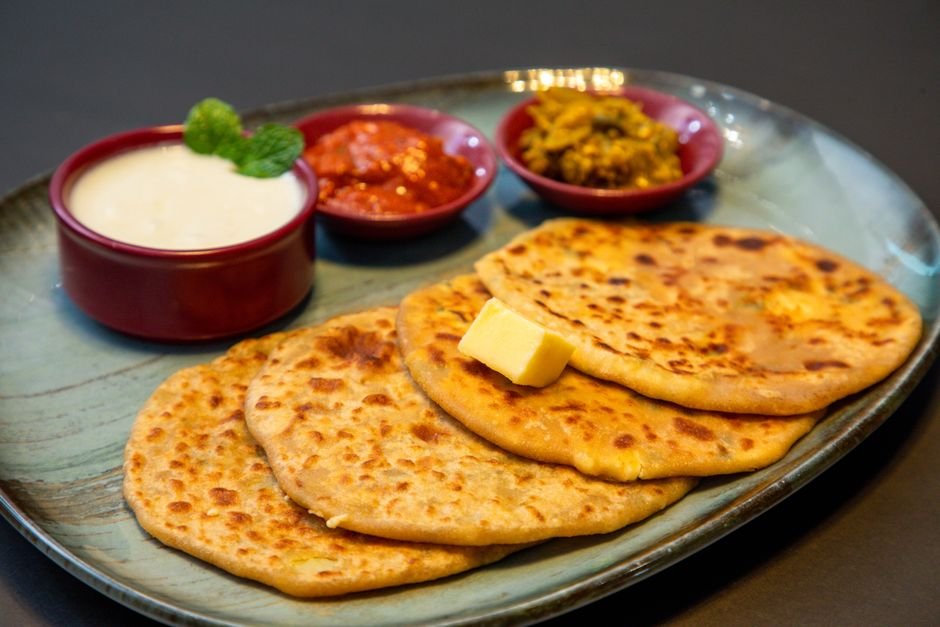
Full Nutrition Facts for 1 Tablespoon (14g) of Ghee
Ghee is pure clarified butterfat with no carbohydrates, fiber, or protein—it is nearly 100% fat by weight. Here is the complete breakdown:
| Nutrient | Amount | % Daily Value |
|---|---|---|
| Calories | 120 | — |
| Total Fat | 13.6g | 17% |
| Saturated Fat | 8.6g | 43% |
| Cholesterol | 33mg | 11% |
| Sodium | 0mg | 0% |
| Total Carbohydrate | 0g | 0% |
| Dietary Fiber | 0g | 0% |
| Total Sugars | 0g | 0% |
| Protein | 0g | 0% |
| Vitamin A | 305 IU | 6% |
| Vitamin E | 0.3mg | 2% |
| Butyric Acid | ~0.4g | — |
*Percent Daily Values are based on a 2,000-calorie diet. Source: USDA FoodData Central.
Key insight: Ghee’s major selling point is the removal of milk solids and lactose during clarification, making it technically dairy-free and potentially better tolerated by those with lactose sensitivity. However, it retains cholesterol and saturated fat at higher concentrations than regular butter due to water loss during the cooking process. If you have high cholesterol or follow a strict low-saturated-fat diet, portion control is crucial—one tablespoon delivers 43% of the recommended daily saturated fat limit.
Etekcity Food Scale
0.1g accuracy — the perfect companion for exact portions.
Ghee vs. Regular Butter: What’s the Difference?
Ghee (Clarified Butter)
- Smoke point: 450°F (232°C)—suitable for high-heat cooking and frying
- Lactose content: Virtually none; milk solids removed during clarification
- Shelf stability: Stable at room temperature for months; no refrigeration required
Regular Butter
- Smoke point: 350°F (175°C)—better for low to medium heat or finishing
- Lactose content: Contains milk solids and trace lactose; may trigger sensitivity
- Shelf stability: Requires refrigeration after opening; spoils faster at room temperature
Practical takeaway: If you’re cooking at high temperatures or have mild lactose sensitivity, ghee is the superior choice. For everyday butter tasks like spreading on toast or melting into oatmeal, regular butter is adequate and slightly lower in cost. Calorically, they’re nearly identical—so the choice depends on cooking application and digestive tolerance, not weight loss benefit.
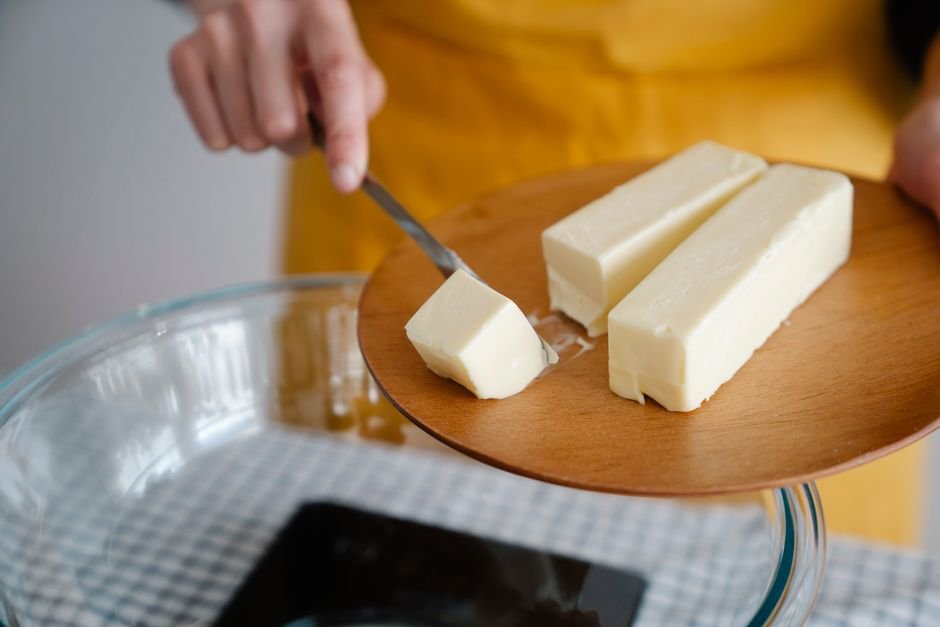
Is Ghee Good for Weight Loss?
Ghee is calorie-dense (120 calories per tablespoon) and should not be considered a weight-loss food. However, because it’s pure fat with zero carbs, small amounts can fit into low-carb or ketogenic diets, where fat is the primary fuel source. The key is portion control: one tablespoon is easy to consume without thinking, making it simple to accidentally add 200–300+ calories to a meal. If you’re counting calories for weight loss, measure ghee carefully and treat it as a condiment or cooking medium, not a food to eat freely.
Tips to Eat Ghee Without Gaining Weight:
- Use a measuring spoon: Always measure ghee by weight or volume (teaspoons/tablespoons) rather than eyeballing; a tablespoon is your maximum per meal.
- Cook with it strategically: Use ghee to cook vegetables or lean proteins; the fat helps absorb fat-soluble vitamins and increases satiety without adding extra servings.
- Track every use: Log ghee in your calorie tracker just as you would oil or butter—it’s easy to forget and causes significant calorie creep.
- Balance with protein and fiber: Pair ghee-cooked meals with adequate protein and vegetables to avoid excess calorie surplus in the same sitting.
For people on calorie-restricted diets, ghee can be part of a healthy meal plan—but only if portion sizes are respected and total daily fat intake is monitored.
How Portion Size Affects Calories
Ghee’s calorie density means small changes in portion size dramatically shift total calorie intake. A teaspoon differs from a tablespoon by 75 calories—roughly the equivalent of a medium apple. When cooking for a family or meal-prepping, the difference between 1 and 2 tablespoons of ghee in a recipe can add 120 calories per serving across the entire dish.
Example:
- Small portion (1 teaspoon / 5g): 45 calories—good for drizzling onto finished dishes or adding to beverages
- Standard portion (1 tablespoon / 14g): 120 calories—appropriate for sautéing vegetables or cooking a single protein serving
Measuring with precision ensures you stay within your daily calorie and fat targets without unknowingly exceeding them.
Best Way to Measure Ghee Accurately
Because ghee is a liquid fat at room temperature, volume measurements (teaspoons and tablespoons) are the most practical and accurate for home use. A kitchen scale works too, but requires weighing the container first. Always use a standard measuring spoon—not a regular eating spoon, which can vary by 2–3 grams—and level off the spoon for consistency.
Options:
- Measuring spoons (preferred): Use a 1-tablespoon or 1-teaspoon spoon designed for cooking. Fill level and scrape off excess with a knife for accuracy.
- Kitchen scale: Weigh an empty bowl or container, add ghee until you reach 14g for one tablespoon, then transfer to your pan. Most accurate for meal-prep batches.
- Marked bottle or squeeze bottle: Some ghee brands come in squeeze bottles with portion markers. Transfer your ghee to these for quick, repeatable measurements throughout the week.
Calculate Your Exact Calorie Intake
If you cook with ghee regularly, accounting for it in your daily calorie total is essential—especially if you’re eating multiple servings across different meals. A single forgotten tablespoon can add 120 calories, and it’s one of the easiest foods to undercount.
Our free AI nutrients calculator lets you log ghee by weight, volume, or brand, automatically calculating your total macros (fat, saturated fat, and cholesterol) in real time. This removes guesswork and ensures you stay aligned with your nutrition goals.
- Track multiple ghee servings: Log breakfast ghee-cooked eggs, lunch sautéed vegetables, and dinner naan preparation in one place to see total fat intake.
- Compare ghee to alternatives: See exactly how ghee’s saturated fat compares to olive oil or coconut oil in your favorite recipes.
- Adjust portions dynamically: If you’re over your fat target, the calculator shows you instantly how reducing ghee by a teaspoon impacts your macros.
Visit our free nutrients calculator to start logging your ghee intake today.
Common Mistakes When Eating Ghee
Many people underestimate ghee’s calorie content or assume its purported health benefits justify unlimited consumption. Here are the most common errors:
❌ Eyeballing portions instead of measuring: “A splash” of ghee can easily be 2–3 tablespoons instead of 1, adding 240+ hidden calories to a meal.
❌ Forgetting to log it in your calorie tracker: Ghee is so small it’s easy to mentally dismiss, but 120 calories per tablespoon adds up fast across multiple cooking occasions.
❌ Assuming it’s “healthy” so quantity doesn’t matter: While ghee offers benefits like a high smoke point and potential digestive benefits, it’s still pure fat and subject to the same calorie laws as any oil.
❌ Using ghee as a primary cooking fat without reducing other fats: If you cook with ghee but also add oil, butter, nuts, and other fat sources, your total fat and calorie intake can spike without awareness.
Be intentional with every serving to keep your nutrition plan on track.
FAQ
How many calories are in 100g of ghee?
100 grams of ghee contains approximately 880 calories. This represents the calorie density of pure clarified butter—with virtually all calories coming from fat. At this volume, ghee would be an entire jar for most home cooks, not a typical serving size.
Is ghee fattening?
Ghee is high in calories and fat, making it easy to gain weight if consumed in large portions or without tracking. However, in measured amounts (1–2 teaspoons or tablespoons) as part of a planned meal, it can fit into calorie-controlled diets. The key is portion awareness and logging—not the ghee itself, but how much you use.
Does ghee have lactose?
Ghee is virtually lactose-free because the clarification process removes milk solids where lactose resides. People with severe lactose intolerance often tolerate ghee well, though those with dairy allergies (allergic to milk protein) should still avoid it, as trace casein may remain.
Can I eat ghee on a low-fat diet?
No. Ghee is 100% fat by weight, with 13.6g total fat and 8.6g saturated fat per tablespoon. Low-fat diets typically limit fat to 20–35% of calories; ghee exceeds this instantly. Stick to low-fat cooking oils like vegetable or canola oil if following a prescribed low-fat plan.
Conclusion
Ghee is a calorie-dense clarified fat with 120 calories and 13.6g of total fat per tablespoon. It contains no carbs, fiber, or protein, and is virtually lactose-free, making it suitable for keto diets and those with mild lactose sensitivity. Its high smoke point (450°F) and long shelf stability make it a practical cooking fat, though its saturated fat content (43% of daily value per tablespoon) means it’s not suitable for low-fat or strict cholesterol-management diets.
The bottom line: ghee fits into calorie-controlled diets only with precise portion measurement and logging. Whether you’re cooking Indian cuisine, following a keto plan, or simply experimenting with new cooking fats, understanding ghee’s nutritional footprint ensures you stay on track with your health goals. Use a reliable nutrients calculator to track every serving and maintain full visibility of your fat and calorie intake.
