Calories in grape juice: 20 calories per 1 fl oz (31 g)
- 0.1 g protein
- 4.9 g carbs
- 0.1 g fat
Source: USDA FoodData Central · 66 kcal per 100 g
One fluid ounce (31 g) of grape juice has 20 calories in the USDA record for 100% grape juice, with 4.9 g of carbohydrate and 4.4 g of total sugars. Most of those calories come from carbohydrate: the record puts carbs at 95% of calories, with only 1% from protein and 4% from fat.
What stands out is how little else is in it. Fat, protein, fiber and most vitamins and minerals are close to zero, so the calories are almost entirely sugar and water. Vitamin C is the main nutrient the record lists, at 16 mg per fluid ounce, which is 17% of the Daily Value.
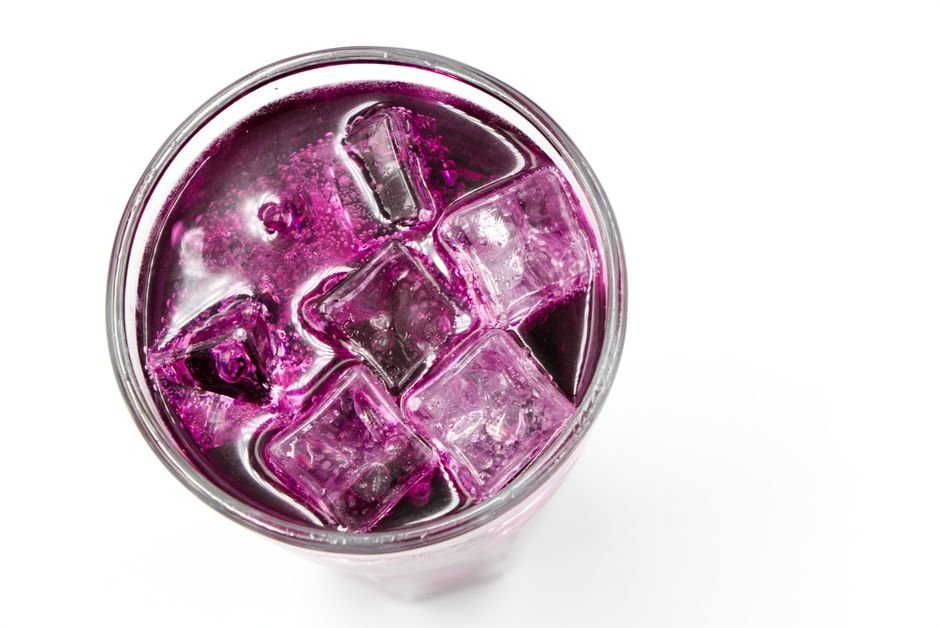
Calories in Grape Juice by Serving Size
Calories in grape juice for each common serving, with protein, carbs and fat:
| Serving | Calories | Protein | Carbs | Fat |
|---|---|---|---|---|
| 1 fl oz (no ice) (31 g) | 20 | 0.1 g | 4.9 g | 0.1 g |
| 1 fl oz (with ice) (23 g) | 15 | 0 g | 3.6 g | 0.1 g |
| 1 fl oz (31 g) | 20 | 0.1 g | 4.9 g | 0.1 g |
| 1 fun size box (4.23 fl oz) (131 g) | 86 | 0.2 g | 21 g | 0.4 g |
| 1 juice box/pouch (6.75 fl oz) (209 g) | 138 | 0.4 g | 33 g | 0.6 g |
| 1 individual school container (124 g) | 82 | 0.2 g | 19 g | 0.3 g |
| 100 g | 66 | 0.2 g | 16 g | 0.3 g |
| 1 oz | 19 | 0.1 g | 4.5 g | 0.1 g |
Grape Juice Nutrition Facts
Calories in grape juice and the full nutrition facts per 1 fl oz (no ice) (31 g):
| Nutrient | Amount | % Daily Value* |
|---|---|---|
| Calories | 20 kcal | |
| Protein | 0.1 g | 0% |
| Total Fat | 0.1 g | 0% |
| Saturated Fat | 0 g | 0% |
| Cholesterol | 0 mg | 0% |
| Sodium | 1.9 mg | 0% |
| Total Carbohydrate | 4.9 g | 2% |
| Dietary Fiber | 0.1 g | 0% |
| Total Sugars | 4.4 g | |
| Calcium | 2.5 mg | 0% |
| Iron | 0 mg | 0% |
| Potassium | 16 mg | 0% |
| Magnesium | 1.9 mg | 0% |
| Zinc | 0 mg | 0% |
| Phosphorus | 3.7 mg | 0% |
| Vitamin C | 16 mg | 17% |
| Vitamin K | 0.1 mcg | 0% |
| Thiamin (B1) | 0 mg | 0% |
| Riboflavin (B2) | 0 mg | 0% |
| Niacin (B3) | 0 mg | 0% |
| Vitamin B6 | 0 mg | 0% |
| Folate (DFE) | 0.6 mcg | 0% |
Where the calories come from: 95% carbs · 4% fat · 1% protein
*Percent Daily Values are based on a 2,000-calorie diet (FDA reference values). Source: USDA FoodData Central — Grape juice, 100% (FDC ID 2709325, Survey (FNDDS), published 10/31/2024). Values for other servings are calculated from the per-100 g data.
How Many Calories Are in a Glass of Grape Juice?
Calories depend on how much you pour, so the USDA record is easiest to read by serving. A 1 fl oz (31 g) serving has 20 kcal. A 100 g portion has 66 kcal. A 1 oz (28 g) serving has 19 kcal.
Larger containers add up quickly. The record lists a 4.23 fl oz (131 g) fun size box at 86 kcal and a 6.75 fl oz (209 g) juice box or pouch at 138 kcal. The individual school container (124 g) has 82 kcal.
The no-ice and with-ice entries for 1 fl oz differ only because the ice adds weight. With ice, the 1 fl oz serving (23 g) has 15 kcal and 3.6 g of carbohydrate. If you want the most accurate count, weigh the juice rather than relying on a volume estimate.

Does Grape Juice Have a Lot of Sugar?
Yes. Total sugars are 14 g per 100 g, and the record shows almost no fiber, at 0.2 g per 100 g. Sugar is the main source of calories, so the juice behaves more like a sugary drink than a fruit serving in terms of what it delivers per ounce.
Compare the lead serving to a box. One fl oz has 4.4 g of sugar, while a 6.75 fl oz juice box or pouch carries the full 33 g of carbohydrate from the record. Pouch-size servings are where sugar intake can add up without much notice.
What Vitamins and Minerals Does Grape Juice Provide?
In this record, vitamin C is the standout. A 1 fl oz serving has 16 mg, or 17% of the Daily Value, and 100 g has 50 mg. Most other vitamins listed, including the B vitamins, vitamin A and vitamin D, are 0 in the record.
Minerals are small. Per fl oz, potassium is 16 mg, sodium is 1.9 mg, calcium is 2.5 mg and magnesium is 1.9 mg. Sodium is very low, which is useful to know if you watch salt intake.
Grape Juice Versus Whole Grapes: What Changes?
The record covers 100% grape juice only, so the comparison here is about what the juice alone contains. Juice is mostly water and sugar, with fiber at 0.2 g per 100 g. The record does not give numbers for whole grapes, so this page does not compare them directly.
If you are deciding between juice and whole fruit for fiber, the numbers above show how little fiber the juice provides. Reading the label for the specific product you buy is the best way to confirm its contents, since brands and blends can differ from this USDA record.
How Grape Juice Compares
Per 100 g, next to similar foods in our database:
| Food (100 g) | Calories | Protein | Carbs | Fat |
|---|---|---|---|---|
| Grape Juice | 66 | 0.2 g | 16 g | 0.3 g |
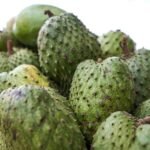
| Soursop | 66 | 1 g | 17 g | 0.3 g |
| Black Currant | 63 | 1.4 g | 15 g | 0.4 g |
| Prune Juice | 71 | 0.6 g | 17 g | 0 g |
| Canned Peaches | 72 | 0.5 g | 18 g | 0.2 g |
| Guanabana | 59 | 0.1 g | 15 g | 0.2 g |
Grape Juice FAQ
How many calories are in 8 fl oz of grape juice?
The USDA record gives 20 kcal per 1 fl oz (31 g) and 66 kcal per 100 g, but no 8 fl oz entry. Multiplying the 1 fl oz figure by eight would be an estimate, so weighing the juice gives a more exact count.
Does grape juice have any protein or fat?
Very little.
How much vitamin C is in grape juice?
The record lists 16 mg of vitamin C per 1 fl oz serving, which is 17% of the Daily Value, and 50 mg per 100 g.
The Bottom Line
A 1 fl oz serving of 100% grape juice has 20 calories, almost all from sugar, so portion size matters most. Pouches and juice boxes hold several times that amount, which is where the calories and sugar add up.