
Beef liver is one of the most nutrient-dense foods available, prized by athletes, bodybuilders, and health-conscious eaters for its exceptional protein and micronutrient profile. It’s a staple in traditional cuisines worldwide and has gained renewed attention in the carnivore and ancestral diet communities.
But how many calories does beef liver actually contain, and how does it fit into different dietary goals? This guide breaks down the complete nutrition facts, preparation variations, and practical tips for incorporating this powerful food into your diet.
Calories in Beef Liver (Quick Answer)
A standard 3 oz (85g) cooked serving of beef liver contains approximately 135 calories, with minimal fat and carbohydrates.
- 3 oz (85g) cooked beef liver: 135 calories, 5g fat, 20g protein
- 100g cooked beef liver: 159 calories, 6g fat, 24g protein
- 3 oz (85g) raw beef liver: 110 calories, 4g fat, 16g protein
Calorie and nutrient values can vary slightly depending on the animal’s diet, how the liver is prepared (fried in oil vs. pan-seared with minimal fat), and cooking time.
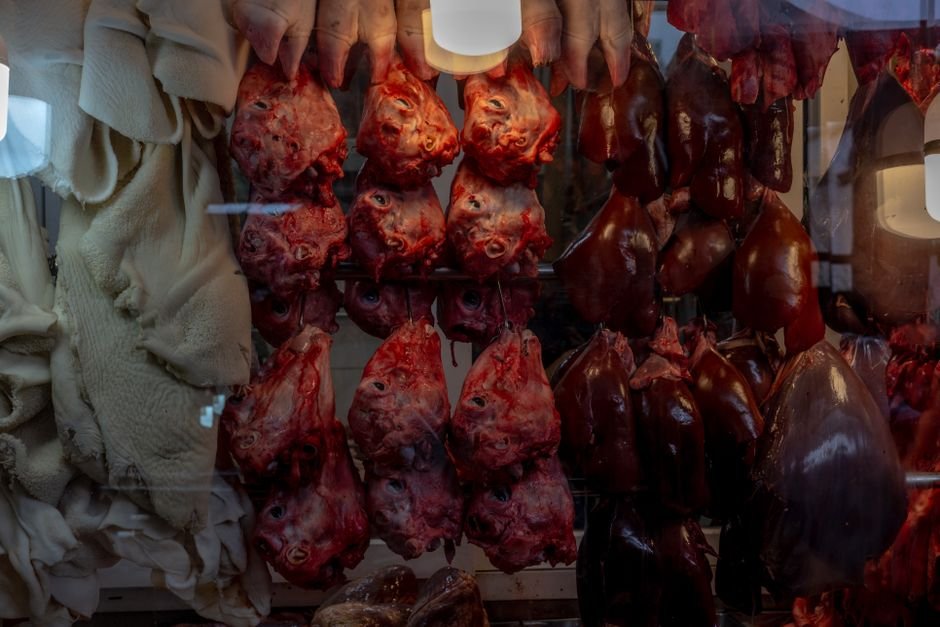
Full Nutrition Facts for 3 oz (85g) Cooked Beef Liver
Beef liver is exceptionally rich in vitamins and minerals, particularly B vitamins, iron, and selenium. Here’s the complete nutritional breakdown of a standard cooked serving:
| Nutrient | Amount | % Daily Value |
|---|---|---|
| Calories | 135 | — |
| Total Fat | 5g | 6% |
| Saturated Fat | 1.6g | 8% |
| Cholesterol | 331mg | 110% |
| Sodium | 59mg | 3% |
| Total Carbohydrate | 5g | 2% |
| Dietary Fiber | 0g | 0% |
| Total Sugars | 0g | 0% |
| Protein | 20g | 40% |
| Vitamin A (Retinol) | 7,870 IU | 157% |
| Vitamin B12 | 47 mcg | 783% |
| Iron | 6.3mg | 35% |
| Selenium | 32 mcg | 58% |
*Percent Daily Values are based on a 2,000-calorie diet. Source: USDA FoodData Central.
Key insight: Beef liver is exceptionally high in vitamin B12 (providing over 700% of your daily need in a single serving) and delivers more bioavailable iron and retinol vitamin A than almost any other food. The carbohydrate content comes from glycogen stored in the liver, not added sugars. The cholesterol is naturally high but not a concern for most people following current cardiovascular science—organ meats are among the most nutrient-dense foods available and have been part of human diets for millennia.
Etekcity Food Scale
0.1g accuracy — the perfect companion for exact portions.
Raw Beef Liver vs. Cooked Beef Liver: Calorie & Nutrient Differences
Raw Beef Liver
- Lower calories (110 per 3 oz serving) due to water loss during cooking
- Slightly lower protein density; some argue enzymes are preserved
- Food safety concerns with pathogenic bacteria; only consume from trusted, ultra-fresh sources
Cooked Beef Liver
- Higher calorie density (135 per 3 oz) and more concentrated protein (20g vs. 16g per 3 oz)
- Pathogenic bacteria eliminated through heat; much safer for consumption
- More bioavailable iron and heme iron, easier to absorb than plant-based iron sources
Takeaway: Cooked beef liver is the safer, more practical choice for most people. Cooking concentrates nutrients and ensures food safety without significantly compromising nutritional value. If you choose raw liver, source it from a reputable supplier and consume it quickly. For beginners, start with pan-seared or lightly fried liver to build tolerance to its strong flavor.
Is Beef Liver Good for Weight Loss?
Yes, beef liver is excellent for weight loss. It’s calorie-efficient (135 calories per 3 oz), extremely high in protein (20g per serving), and low in fat and carbohydrates. Protein increases satiety and preserves muscle during caloric deficits, making liver a smart choice for anyone cutting calories. The micronutrient density also supports metabolic function and energy levels, which helps prevent the energy crashes that derail diets.
Tips to Eat Beef Liver Without Gaining Weight:
- Cook with minimal fat: Pan-sear in a dry pan or with just 1 teaspoon of oil, or broil instead of frying. This keeps a 3 oz serving under 160 calories.
- Pair with vegetables: Serve with non-starchy vegetables (spinach, mushrooms, bell peppers) to add volume and fiber without excess calories.
- Watch portion size: Stick to 3–4 oz (85–110g) per meal; don’t exceed because the dense nutrition can add up quickly in larger portions.
- Avoid flour coatings and heavy sauces: Skip breaded liver and creamy sauces (common in traditional recipes). These add 100+ calories per serving.
Beef liver is naturally satiating due to its protein and micronutrient content, so most people feel full after a modest serving. This makes it particularly useful for intermittent fasting protocols or for anyone aiming to eat nutrient-dense, lower-calorie meals.
How Portion Size Affects Calories
Beef liver’s calorie density is moderate—it concentrates nutrition into a relatively small weight. A 3 oz serving is a standard nutrition label portion, but actual servings vary based on appetite and meal context. Understanding how portion size scales is crucial for tracking calories accurately.
Example:
- Small portion (2 oz / 57g): ~90 calories, 13g protein. Good for a light lunch or mixed into a dish.
- Large portion (6 oz / 170g): ~270 calories, 40g protein. Substantial main-course serving; fills most people on its own.
A single ounce of cooked beef liver contains roughly 45 calories and 6.5g protein, making it easy to scale portions up or down based on your meal plan.
Best Way to Measure Beef Liver Accurately
Precision matters when tracking calories and protein, especially for bodybuilding or strict weight loss. Beef liver’s texture and the way it shrinks during cooking make it important to measure at consistent points—raw vs. cooked weights differ significantly. A 3 oz portion of raw liver cooks down to approximately 2.4–2.7 oz depending on heat and fat used, which is why nutrition labels always specify the state.
Options:
- Kitchen scale (most accurate): Weigh liver raw in grams, then cook it. Use the cooked weight or adjust to raw-weight nutrition data depending on your tracking app.
- Visual estimation: A cooked 3 oz serving is roughly the size of a deck of cards or the palm of your hand. Useful for restaurant meals where you can’t weigh.
- Portion containers: Pre-portion raw liver into 85g amounts and freeze them. Cook one portion when needed; no weighing required daily.
Calculate Your Exact Calorie Intake
If you’re incorporating beef liver regularly into your diet, knowing your exact intake matters—especially if you’re combining it with other nutrient-dense foods. A single serving of liver covers 35–40% of daily protein needs and 157% of daily vitamin A, which can affect how you balance the rest of your meals.
Our free AI nutrients calculator lets you log beef liver and get instant totals for calories, macros, and key micronutrients. Simply enter the weight and cooking method, and it automatically adjusts for preparation differences.
- Track multiple servings and meals throughout the day
- See real-time totals for protein, fat, carbs, and 20+ micronutrients
- Adjust portion sizes instantly and see how calories and nutrients change
Use the free nutrients calculator now.
Common Mistakes When Eating Beef Liver
Despite its nutritional power, several common missteps can undermine beef liver’s benefits or make it less enjoyable. Here’s what to avoid:
❌ Overcooking it into leather. Beef liver is very lean and toughens quickly. Cook it medium (slightly pink inside) for 3–4 minutes per side, not well-done. Overcooked liver tastes bitter and rubbery, which discourages repeat consumption.
❌ Not soaking it in milk first. If you find liver’s flavor too strong or metallic, soak raw slices in whole milk for 30–60 minutes before cooking. This mellows the taste significantly and makes it more palatable, especially for beginners.
❌ Pairing it with refined starches only. Eating liver with white bread or fries is nutritionally unbalanced. Pair it with leafy greens, cruciferous vegetables, or whole grains to round out micronutrients and add fiber.
❌ Assuming all liver preparations are equal. Liver pâté, liverwurst, and processed liver products often contain added salt, sugar, and binders. They’re more calorie-dense and less nutrient-dense than fresh, simply cooked liver. Always check labels.
Fresh, simply prepared beef liver is the gold standard for nutrition and calorie efficiency.
FAQ
How many calories are in 100g of beef liver?
Cooked beef liver contains approximately 159 calories per 100g, along with 24g protein, 6g fat, and exceptional levels of B vitamins and iron.
Is beef liver fattening?
No. Beef liver is very lean (only 5–6g fat per 3 oz serving) and high in protein, making it one of the least fattening organ meats. The cholesterol is naturally high, but dietary cholesterol has minimal impact on blood cholesterol for most people.
Can I eat beef liver every day?
Yes, but in moderation. Beef liver is safe to eat daily in normal portions (3–4 oz). However, because it’s extremely high in vitamin A and some people are sensitive to excess retinol, very large daily servings (8+ oz) over extended periods could theoretically lead to vitamin A toxicity. A 3 oz serving per day poses no risk for the vast majority of people.
Why is beef liver so nutrient-dense?
The liver is the body’s storage and detoxification organ, concentrating vitamins, minerals, and amino acids. Beef liver inherits this nutrient density, delivering more bioavailable micronutrients per calorie than muscle meat or most plant foods. It’s been valued in traditional diets for this reason.
Conclusion
Beef liver is a nutritional powerhouse: 135 calories, 20g protein, and more vitamin B12, vitamin A, and iron than almost any other single food. It’s calorie-efficient for weight loss, excellent for muscle building, and supports energy and cognitive function. The main barrier for most people is flavor and texture, both of which improve dramatically with proper cooking technique and simple preparation.
Whether you’re optimizing for fat loss, muscle gain, or simply maximizing nutrient intake, beef liver is one of the most efficient choices available. Start with modest portions, cook it properly, and pair it with vegetables for a complete meal. To dial in your personal calorie and nutrient targets, use a reliable nutrients calculator to log your liver intake alongside other foods and ensure you’re hitting your daily goals.
