Calories in macaroni: 204 calories per 1 cup (137 g)
- 7.7 g protein
- 24 g carbs
- 8.8 g fat
- 1.5 g fiber
Source: USDA FoodData Central · 149 kcal per 100 g
One cup (137 g) of macaroni has 204 calories in the USDA record, which is the lead serving for this page. The record behind these numbers is “Macaroni and cheese, frozen entree,” so the values reflect a cheese-sauced dish rather than plain dried pasta. Per 100 g, the dish provides 149 calories.
The notable part is the sodium. One cup contains 397 mg, which is 17% of the Daily Value, and a 283 g container (the mean weight across brands) contains more than twice what a cup does in calories. Carbohydrates make up the largest share of the calories, at 46%, with fat at 39% and protein at 15%.
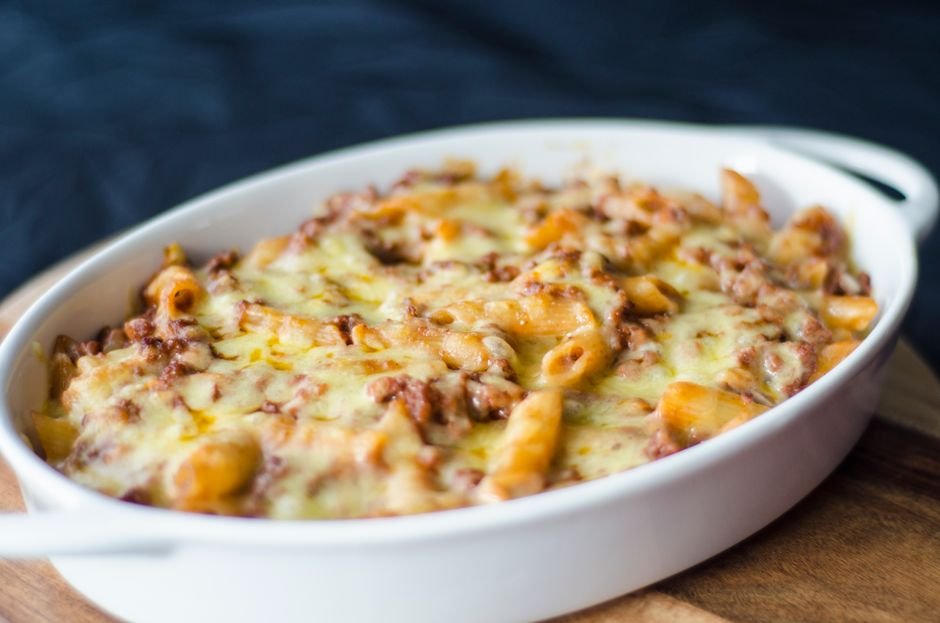
Calories in Macaroni by Serving Size
Calories in macaroni for each common serving, with protein, carbs and fat:
| Serving | Calories | Protein | Carbs | Fat |
|---|---|---|---|---|
| 1 cup (137 g) | 204 | 7.7 g | 24 g | 8.8 g |
| 1 container (mean weight over brands) (283 g) | 422 | 16 g | 49 g | 18 g |
| 100 g | 149 | 5.6 g | 17 g | 6.4 g |
| 1 oz | 42 | 1.6 g | 4.9 g | 1.8 g |
Macaroni Nutrition Facts
Calories in macaroni and the full nutrition facts per 1 cup (137 g):
| Nutrient | Amount | % Daily Value* |
|---|---|---|
| Calories | 204 kcal | |
| Protein | 7.7 g | 15% |
| Total Fat | 8.8 g | 11% |
| Saturated Fat | 3.6 g | 18% |
| Trans Fat | 0.2 g | |
| Cholesterol | 14 mg | 5% |
| Sodium | 397 mg | 17% |
| Total Carbohydrate | 24 g | 9% |
| Dietary Fiber | 1.5 g | 5% |
| Total Sugars | 2.1 g | |
| Calcium | 156 mg | 12% |
| Iron | 0.8 mg | 4% |
| Potassium | 130 mg | 3% |
| Magnesium | 23 mg | 6% |
| Zinc | 1.1 mg | 10% |
| Phosphorus | 163 mg | 13% |
| Selenium | 25 mcg | 46% |
| Vitamin A (RAE) | 64 mcg | 7% |
| Vitamin E | 0.3 mg | 2% |
| Vitamin K | 7 mcg | 6% |
| Thiamin (B1) | 0.1 mg | 6% |
| Riboflavin (B2) | 0.1 mg | 6% |
| Niacin (B3) | 1 mg | 6% |
| Vitamin B6 | 0.1 mg | 3% |
| Folate (DFE) | 9.6 mcg | 2% |
| Vitamin B12 | 0.2 mcg | 7% |
Where the calories come from: 46% carbs · 39% fat · 15% protein
*Percent Daily Values are based on a 2,000-calorie diet (FDA reference values). Source: USDA FoodData Central — Macaroni and cheese, frozen entree (FDC ID 173342, SR Legacy, published 4/1/2019). Values for other servings are calculated from the per-100 g data.
Does Macaroni and Cheese Have Carbs or Sugar?
One cup of this dish has 24 g of total carbohydrate, of which 2.1 g are total sugars and 1.5 g are dietary fiber. The carbohydrate figure is the largest part of the calorie count, which makes it a fairly carb-forward food compared with the protein and fat in the same cup.
Most of the sugar in this record is small in amount. The carbs come mainly from the pasta itself, so a larger portion increases the carb total in direct proportion. The 100 g figure is 17 g of carbohydrate, and the 1 oz (28 g) serving is 4.9 g.
Why Sodium Is the Number to Watch
At 397 mg per cup, sodium is the nutrient that stands out most in this record. The per-100 g value is 290 mg, so the sodium concentration is high across the whole dish, not only in one serving size. The 283 g container figure is the one to keep in mind if you eat the whole package.
Frozen and prepared cheese entrees are generally salted for flavor and shelf life. Checking the label on the package you actually buy is worthwhile, because brands differ, and the container weight here is only an average across brands.
Fat, Saturated Fat, and Cholesterol in One Cup
- Total fat: 8.8 g per cup (6.4 g per 100 g)
- Saturated fat: 3.6 g per cup (2.6 g per 100 g)
- Trans fat: 0.2 g per cup
Fat provides 39% of the calories in this record. The saturated fat per cup is 3.6 g, which the USDA record lists as 18% of the Daily Value. Trans fat is listed at 0.2 g per cup, and it is present in the record even though the amount is small.
The 1 oz serving contains 1.8 g of fat and 42 calories, which is useful if you want to measure a smaller portion of the dish.
Protein, Calcium, and Other Nutrients Worth Knowing
One cup provides 7.7 g of protein, which is 15% of the calories in this dish. The record also lists 156 mg of calcium per cup, 163 mg of phosphorus, and 1.1 mg of zinc. Selenium is 25 mcg per cup, listed at 46% of the Daily Value, the highest percentage on the nutrient list for this serving.
Vitamin C and vitamin D are both 0 in the record. Many of the other micronutrients are present in modest amounts, and the record shows them as they are, without adding any claims beyond the numbers.
How Macaroni Compares
Per 100 g, next to similar foods in our database:
| Food (100 g) | Calories | Protein | Carbs | Fat |
|---|---|---|---|---|
| Macaroni | 149 | 5.6 g | 17 g | 6.4 g |
| Chickpea Pasta | 157 | 5.8 g | 31 g | 0.9 g |
| Sweet Rice | 139 | 2.5 g | 31 g | 0.3 g |
| Wheat Pasta | 159 | 5.8 g | 32 g | 1.5 g |
| Wheat Noodles | 137 | 4.5 g | 25 g | 2.1 g |
| Rice Vermicelli | 129 | 2.8 g | 22 g | 3.2 g |
Macaroni FAQ
How many calories are in a 1 oz serving of macaroni and cheese?
A 1 oz (28 g) serving has 42 calories, with 1.6 g of protein, 4.9 g of carbohydrate, and 1.8 g of fat, according to the USDA record for frozen macaroni and cheese.
How many calories are in a full 283 g container?
The mean container weight across brands is 283 g, which the record puts at 422 calories, with 16 g of protein, 49 g of carbohydrate, and 18 g of fat. Container sizes vary, so check your package.
Is there alcohol or vitamin C in this food?
The record lists 0 g of alcohol and 0 mg of vitamin C per 100 g. Vitamin D is also 0 mcg.
The Bottom Line
One cup of macaroni and cheese has 204 calories and 397 mg of sodium, so sodium and saturated fat are the main nutrition points to check. If you eat the full 283 g container, the totals are roughly double the cup numbers.