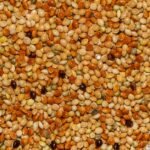
Calories in rye flour: 416 calories per 1 cup (128 g)
- 20 g protein
- 88 g carbs
- 2.8 g fat
- 30 g fiber
Source: USDA FoodData Central · 325 kcal per 100 g
One cup (128 g) of rye flour has 416 calories in the USDA record for dark rye flour, with 88 g of carbohydrate, 20 g of protein and 2.8 g of fat. Most of those calories come from carbohydrate, which is about 77% of the total by the USDA’s calorie split.
What stands out is the fiber. The same cup provides 30 g of dietary fiber, which is 109% of the Daily Value, and that is far more than the carbohydrate-heavy flours most people compare it with. Rye flour is also a good source of iron, magnesium, phosphorus and zinc on a per-cup basis.
Calories in Rye Flour by Serving Size
Calories in rye flour for each common serving, with protein, carbs and fat:
| Serving | Calories | Protein | Carbs | Fat |
|---|---|---|---|---|
| 1 cup (128 g) | 416 | 20 g | 88 g | 2.8 g |
| 100 g | 325 | 16 g | 69 g | 2.2 g |
| 1 oz | 92 | 4.5 g | 19 g | 0.6 g |
Rye Flour Nutrition Facts
Calories in rye flour and the full nutrition facts per 1 cup (128 g):
| Nutrient | Amount | % Daily Value* |
|---|---|---|
| Calories | 416 kcal | |
| Protein | 20 g | 41% |
| Total Fat | 2.8 g | 4% |
| Saturated Fat | 0.3 g | 2% |
| Cholesterol | 0 mg | 0% |
| Sodium | 2.6 mg | 0% |
| Total Carbohydrate | 88 g | 32% |
| Dietary Fiber | 30 g | 109% |
| Total Sugars | 3 g | |
| Calcium | 47 mg | 4% |
| Iron | 6.4 mg | 35% |
| Potassium | 918 mg | 20% |
| Magnesium | 205 mg | 49% |
| Zinc | 6.5 mg | 59% |
| Phosphorus | 639 mg | 51% |
| Selenium | 23 mcg | 42% |
| Vitamin A (RAE) | 1.3 mcg | 0% |
| Vitamin E | 3.5 mg | 23% |
| Vitamin K | 7.6 mcg | 6% |
| Thiamin (B1) | 0.4 mg | 34% |
| Riboflavin (B2) | 0.3 mg | 25% |
| Niacin (B3) | 5.5 mg | 34% |
| Vitamin B6 | 0.6 mg | 33% |
| Folate (DFE) | 42 mcg | 11% |
Where the calories come from: 77% carbs · 18% protein · 6% fat
*Percent Daily Values are based on a 2,000-calorie diet (FDA reference values). Source: USDA FoodData Central — Rye flour, dark (FDC ID 168885, SR Legacy, published 4/1/2019). Values for other servings are calculated from the per-100 g data.
Dark Rye Flour vs Light Rye: Does the Record Apply?
The USDA record used here is for dark rye flour, which is made from more of the whole grain, including the bran and germ. Lighter rye flours are milled more finely and sifted to remove more of the outer layers, so their fiber and mineral content is generally lower. The numbers on this page should not be applied to light rye without checking that product’s label.
If you are reading a package, look at the fiber line first. It shows the clearest difference between a whole-grain style rye and a more refined one.

Why Rye Flour Is So High in Fiber
Per 100 g, rye flour contains 24 g of dietary fiber against 69 g of total carbohydrate, so fiber makes up a large share of the carbs. Total sugars are only 2.3 g per 100 g, which means most of the carbohydrate is starch and fiber rather than sugar.
In practical terms, a cup of this flour carries a lot of bulk for its calories. Baked goods made with a high share of rye flour tend to be denser than those made with wheat flour, which is one reason bakers often blend the two.
Does Rye Flour Have Much Fat or Sodium?
Rye flour is low in fat. Sodium is also very low, at 2.6 mg per cup, which is 0% of the Daily Value.
The sodium picture changes once you bake with it. Breads and crackers made from rye usually add salt, so check the finished product’s label rather than assuming the flour’s numbers carry over.
Rye Flour Nutrition for Muscle Gain and Low-Carb Eating
A cup of rye flour gives 20 g of protein along with 88 g of carbohydrate. Its protein share of calories is 18%, so it is not a low-carb food. Someone following a low-carb plan would need to measure it closely, since a small amount still contributes a meaningful number of carbs.
For people eating more plant-based protein, rye flour is one of several ingredients that add protein alongside fiber and minerals. Its main value in that context is the combination, not the protein count alone.
How Rye Flour Compares
Per 100 g, next to similar foods in our database:
| Food (100 g) | Calories | Protein | Carbs | Fat |
|---|---|---|---|---|
| Rye Flour | 325 | 16 g | 69 g | 2.2 g |
| Raisin Bran | 324 | 7.6 g | 79 g | 1.6 g |
| Rice Bran | 316 | 13 g | 50 g | 21 g |
| Blueberry Muffin | 293 | 3.5 g | 61 g | 3.3 g |
| Tapioca Pearls | 358 | 0.2 g | 89 g | 0 g |
| Cassava Flour | 359 | 0.9 g | 87 g | 0.5 g |
Rye Flour FAQ
How many calories are in 1 cup of rye flour?
One cup (128 g) of dark rye flour has 416 calories in the USDA record. Per 100 g it is 325 calories.
How many calories are in 1 oz of rye flour?
One ounce (28 g) provides 92 calories, with 19 g of carbohydrate, 4.5 g of protein and 0.6 g of fat.
Is rye flour high in fiber?
Yes. One cup provides 30 g of dietary fiber, which is 109% of the Daily Value, and 100 g contains 24 g.
The Bottom Line
Rye flour is calorie-dense and carb-heavy, but a cup delivers 30 g of fiber along with useful amounts of iron, magnesium and zinc. Measure it by weight, since the calorie count per cup assumes 128 g.