Calories in pineapple: 76 calories per 1 serving (140 g)
- 0.6 g protein
- 20 g carbs
- 0.3 g fat
- 1.3 g fiber
Source: USDA FoodData Central · 54 kcal per 100 g
A 140 g serving of raw pineapple contains 76 calories, with nearly all of them coming from carbohydrates—mostly natural sugars. What stands out most is the vitamin C: a single serving delivers 82 mg, which is 91% of the daily value, making pineapple one of the richest common fruits for this nutrient.
The carbs come with 1.3 g of fiber and negligible fat and sodium, making it a straightforward fruit choice for most eating patterns.
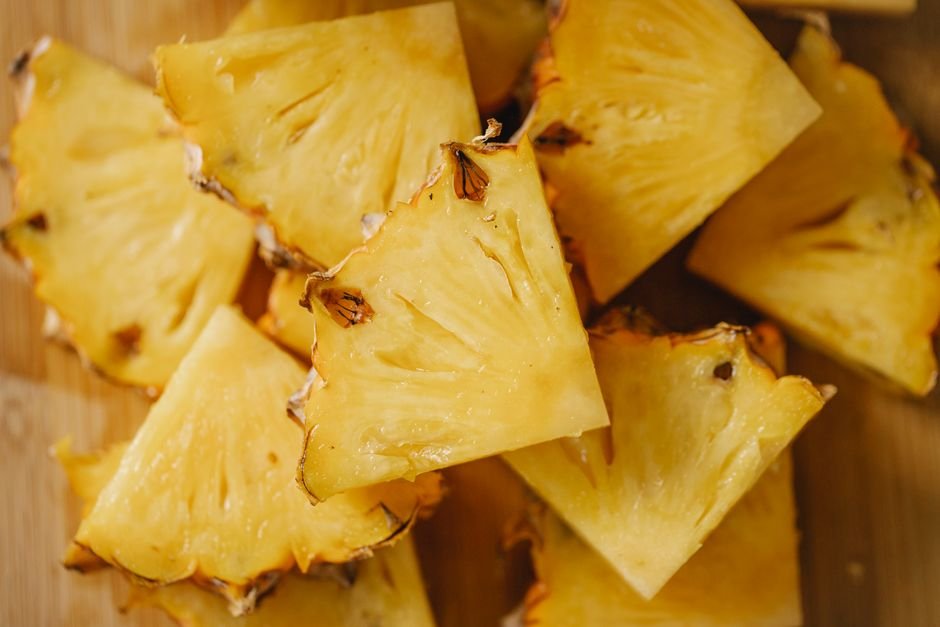
Calories in Pineapple by Serving Size
Calories in pineapple for each common serving, with protein, carbs and fat:
| Serving | Calories | Protein | Carbs | Fat |
|---|---|---|---|---|
| 1 serving (140 g) | 76 | 0.6 g | 20 g | 0.3 g |
| 100 g | 54 | 0.5 g | 14 g | 0.2 g |
| 1 oz | 15 | 0.1 g | 4 g | 0.1 g |
Pineapple Nutrition Facts
Calories in pineapple and the full nutrition facts per 1 serving (140 g):
| Nutrient | Amount | % Daily Value* |
|---|---|---|
| Calories | 76 kcal | |
| Protein | 0.6 g | 1% |
| Total Fat | 0.3 g | 0% |
| Sodium | 0 mg | 0% |
| Total Carbohydrate | 20 g | 7% |
| Dietary Fiber | 1.3 g | 5% |
| Total Sugars | 16 g | |
| Calcium | 18 mg | 1% |
| Iron | 0.1 mg | 0% |
| Potassium | 192 mg | 4% |
| Magnesium | 19 mg | 4% |
| Zinc | 0.1 mg | 1% |
| Phosphorus | 7.6 mg | 1% |
| Vitamin C | 82 mg | 91% |
| Thiamin (B1) | 0.1 mg | 7% |
| Niacin (B3) | 0.3 mg | 2% |
| Vitamin B6 | 0.2 mg | 9% |
Where the calories come from: 94% carbs · 3% protein · 3% fat
*Percent Daily Values are based on a 2,000-calorie diet (FDA reference values). Source: USDA FoodData Central — Pineapple, raw (FDC ID 2346398, Foundation, published 10/28/2022). Values for other servings are calculated from the per-100 g data.
Natural Sugars and Fiber in Raw Pineapple
Per 140 g serving, pineapple contains 16 g of total sugars and 1.3 g of dietary fiber. The fiber provides some gradual release, but the sugar-to-fiber ratio means the carbs are still relatively quick-digesting.
The natural sugars come without added ingredients; pineapple contains no sodium and no fat, so there are no hidden calories from preparation or preservation if you buy fresh fruit rather than canned varieties in syrup.
Why Pineapple Is Lower in Calories Than You'd Expect
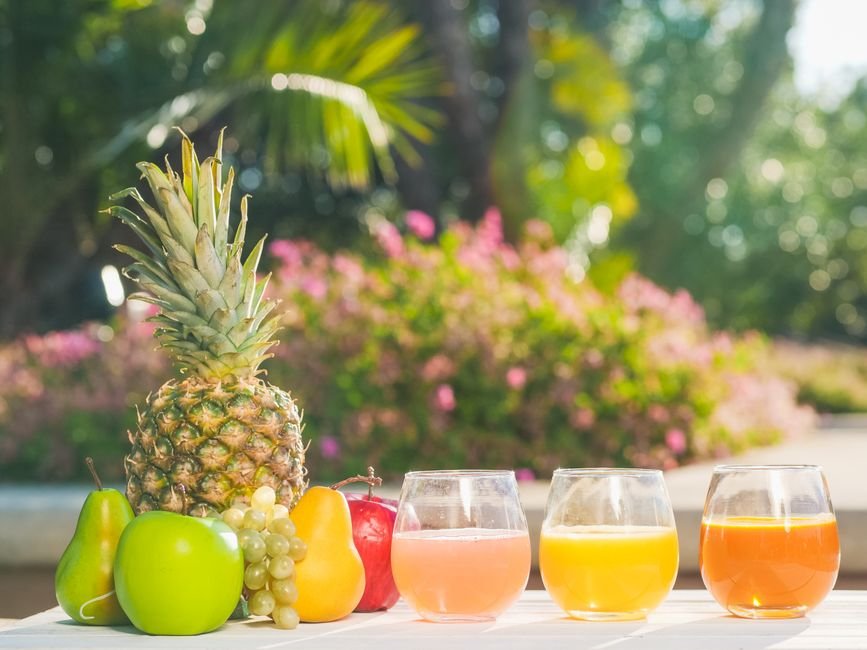
At 54 calories per 100 g, pineapple is relatively light because it’s mostly water. A full 140 g serving—roughly a small slice or a few chunks—is only 76 calories. This means you can eat a satisfying portion without a large calorie expenditure, which is why pineapple works well in weight-conscious eating. The sweetness and texture make it feel indulgent even though it’s quite lean.
Vitamin C Content and Other Micronutrients
A 140 g serving provides 82 mg of vitamin C—well above a quarter of the daily need. Pineapple also contributes magnesium (19 mg, or 4% of daily value) and potassium (192 mg, or 4% of daily value), both minerals involved in muscle and nerve function.
Protein and fat are minimal (0.6 g and 0.3 g per serving, respectively), so pineapple is not a source of these macros. It’s primarily a carbohydrate and water vehicle for vitamins and minerals.
Fresh Vs. Canned: How Preparation Changes Nutrition
The numbers here are for raw pineapple as sold. Canned pineapple in heavy syrup contains significantly more sugar and calories because the syrup is absorbed. Canned pineapple in juice is closer to fresh, though juice adds some extra sugar over raw fruit. Frozen pineapple (unsweetened) retains the same calorie and carb content as fresh but is picked at peak ripeness, sometimes making the flavor more intense for fewer calories.
If you choose canned or frozen, check the label: the serving size, added sugars (if any), and whether liquid is included in the weight. For this reason, fresh fruit or unsweetened frozen chunks give you the most control.
How Pineapple Compares
Per 100 g, next to similar foods in our database:
| Food (100 g) | Calories | Protein | Carbs | Fat |
|---|---|---|---|---|
| Pineapple | 54 | 0.5 g | 14 g | 0.2 g |
| Tangelo | 53 | 0.8 g | 13 g | 0.3 g |
| Kiwifruit Green | 58 | 1.1 g | 14 g | 0.4 g |
| Guanabana | 59 | 0.1 g | 15 g | 0.2 g |
| Loquat | 47 | 0.4 g | 12 g | 0.2 g |
| Plum Tomato | 46 | 0.7 g | 11 g | 0.3 g |
Pineapple FAQ
How much pineapple should I eat in one sitting?
A typical serving is 140 g (about 76 calories), roughly equivalent to a medium slice or a small bowl of chunks. There's no maximum, but because the fruit is sweet and easy to overeat, stopping at one serving is a practical guideline if you're counting calories or managing sugar.
Does pineapple have bromelain and does it help digestion?
Pineapple does contain bromelain, an enzyme. The USDA data provided does not include information on enzyme content or digestive effects, so any claims about bromelain's benefits are outside the scope of nutritional analysis.
Is pineapple good for a low-carb diet?
At 20 g carbs per 140 g serving, pineapple is moderate-to-high in carbs and better suited to a standard diet than a strict low-carb plan. If you're following a very low-carb protocol, portions would need to be smaller.
Why does pineapple sometimes make my mouth feel tingly?
The bromelain enzyme can feel slightly irritating to mouth tissue if you eat a lot of fresh pineapple at once. This is a chemical reaction, not a sign of allergy, and is most noticeable in unripe or very acidic fruit. The USDA data does not measure bromelain levels.
The Bottom Line
At 76 calories and 82 mg of vitamin C per serving, raw pineapple is a low-calorie, high-water fruit that delivers significant micronutrients with minimal fat or sodium—though the 16 g of natural sugars should be counted if you're managing sugar intake.