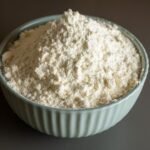
Calories in wheat germ: 414 calories per 1 cup (115 g)
- 27 g protein
- 60 g carbs
- 11 g fat
- 15 g fiber
Source: USDA FoodData Central · 360 kcal per 100 g
One cup of wheat germ (115 g) has 414 calories in it, with 27 g of protein, 60 g of carbohydrate and 11 g of fat. Wheat germ is the small, nutrient-dense embryo of the wheat kernel, and the calories come mostly from carbs and protein rather than fat.
What stands out is the fiber and mineral content. One cup provides 15 g of dietary fiber, 54% of the Daily Value, plus 7.2 mg of iron (40% DV), 275 mg of magnesium (65% DV) and 1026 mg of potassium. Its thiamin (B1) content is 2.2 mg, which is 180% DV.

Calories in Wheat Germ by Serving Size
Calories in wheat germ for each common serving, with protein, carbs and fat:
| Serving | Calories | Protein | Carbs | Fat |
|---|---|---|---|---|
| 1 cup (115 g) | 414 | 27 g | 60 g | 11 g |
| 100 g | 360 | 23 g | 52 g | 9.7 g |
| 1 oz | 102 | 6.6 g | 15 g | 2.8 g |
Wheat Germ Nutrition Facts
Calories in wheat germ and the full nutrition facts per 1 cup (115 g):
| Nutrient | Amount | % Daily Value* |
|---|---|---|
| Calories | 414 kcal | |
| Protein | 27 g | 53% |
| Total Fat | 11 g | 14% |
| Saturated Fat | 1.9 g | 10% |
| Cholesterol | 0 mg | 0% |
| Sodium | 14 mg | 1% |
| Total Carbohydrate | 60 g | 22% |
| Dietary Fiber | 15 g | 54% |
| Calcium | 45 mg | 3% |
| Iron | 7.2 mg | 40% |
| Potassium | 1026 mg | 22% |
| Magnesium | 275 mg | 65% |
| Zinc | 14 mg | 128% |
| Phosphorus | 968 mg | 77% |
| Selenium | 91 mcg | 166% |
| Thiamin (B1) | 2.2 mg | 180% |
| Riboflavin (B2) | 0.6 mg | 44% |
| Niacin (B3) | 7.8 mg | 49% |
| Vitamin B6 | 1.5 mg | 88% |
| Folate (DFE) | 323 mcg | 81% |
Where the calories come from: 54% carbs · 24% protein · 23% fat
*Percent Daily Values are based on a 2,000-calorie diet (FDA reference values). Source: USDA FoodData Central — Wheat germ, crude (FDC ID 168892, SR Legacy, published 4/1/2019). Values for other servings are calculated from the per-100 g data.
How Many Calories Are in a Tablespoon or Ounce of Wheat Germ?
The USDA record gives the numbers per 100 g, per 1 cup (115 g) and per 1 oz (28 g). One ounce comes to 102 calories, with 6.6 g of protein, 15 g of carbohydrate and 2.8 g of fat. The 100 g figure is 360 calories, so the cup and ounce numbers are simply different amounts of the same product.
Wheat germ is light and fluffy, so weight and volume do not match well across brands. If you are tracking closely, weighing it on a kitchen scale is more reliable than scooping by the cup, because the same cup can weigh more or less depending on how it was packed.

Is Wheat Germ High in Protein and Fiber?
Wheat germ is one of the more protein-dense plant foods in the USDA data. The 100 g entry lists 23 g of protein, and the cup serving lists 27 g. Protein supplies about 24% of the calories in this food, carbohydrate about 54% and fat about 23%.
The fiber is the other headline. The record lists 13 g of fiber per 100 g, and 15 g per cup. That is a lot of fiber for a food you would typically add in small spoonfuls, so it works best to add it gradually if your usual intake is low, and to drink enough water with it.
Raw vs Toasted Wheat Germ: Which Does the Data Cover?
The numbers on this page come from the USDA record for “Wheat germ, crude,” which is the unprocessed form. Toasted wheat germ, the kind often sold in jars for sprinkling, is a different preparation and is not what these figures describe. Toasting can change moisture and weight, so the calories per gram of a toasted product may not match the crude record exactly.
If you buy a toasted version, check its own label. Use the crude values here as a reference only, and do not assume a toasted product has the same numbers per cup.
What Wheat Germ Adds in Minerals and B Vitamins
Wheat germ is notably rich in several minerals and B vitamins. One cup provides 128% DV of zinc (14 mg), 166% DV of selenium (91 mcg), 77% DV of phosphorus (968 mg) and 81% DV of folate (323 mcg). It also contains 88% DV of vitamin B6 (1.5 mg) and 49% DV of niacin (7.8 mg).
Calcium is low at 45 mg per cup (3% DV), so it should not be counted on as a calcium source.
Who Should Watch Portions of Wheat Germ?
Because wheat germ is calorie-dense and high in fiber, the main practical consideration is portion size. A cup is 414 calories, which is more than a snack for many people, so measuring a spoonful or two at a time keeps the calorie count easy to track.
- Sodium is very low at 14 mg per cup (1% DV), so it is a good fit for a low-sodium eating pattern.
- Because the fiber is high, people with digestive sensitivities may want to start with small amounts.
How Wheat Germ Compares
Per 100 g, next to similar foods in our database:
| Food (100 g) | Calories | Protein | Carbs | Fat |
|---|---|---|---|---|
| Wheat Germ | 360 | 23 g | 52 g | 9.7 g |
| Cassava Flour | 359 | 0.9 g | 87 g | 0.5 g |
| Tapioca Pearls | 358 | 0.2 g | 89 g | 0 g |
| Oat Bran Dry | 364 | 17 g | 63 g | 8 g |
| Rice Flour White | 366 | 6 g | 80 g | 1.4 g |
| Rye Crispbread | 366 | 7.9 g | 82 g | 1.3 g |
Wheat Germ FAQ
Does wheat germ contain gluten?
Wheat germ comes from the wheat kernel, so it is not gluten-free. People with celiac disease or gluten sensitivity should avoid it unless it is specifically labeled gluten-free.
How much protein is in a cup of wheat germ?
One cup (115 g) contains 27 g of protein, which is 53% of the Daily Value. Per 100 g the record lists 23 g.
Is wheat germ high in fat?
Fat is a smaller part of its calories.
The Bottom Line
One cup of wheat germ is 414 calories, with 27 g of protein and 15 g of fiber, so a small spoonful goes a long way. Measure by weight if you want accurate tracking, and check the label if you buy a toasted version.