Calories in sorghum flour: 434 calories per 1 cup (121 g)
- 10 g protein
- 93 g carbs
- 4 g fat
- 8 g fiber
Source: USDA FoodData Central · 359 kcal per 100 g
One cup of sorghum flour (121 g) has 434 calories in the USDA record for whole-grain sorghum flour, so a cup is about 359 calories per 100 g. The flour is almost entirely carbohydrate: 93 g per cup, with 10 g of protein and 4 g of fat.
What stands out is how little of the calorie count comes from fat. Carbohydrates supply about 83% of calories, protein about 9%, and fat about 8%. A cup also provides 8 g of dietary fiber and 3.8 mg of iron, which is 21% of the Daily Value.
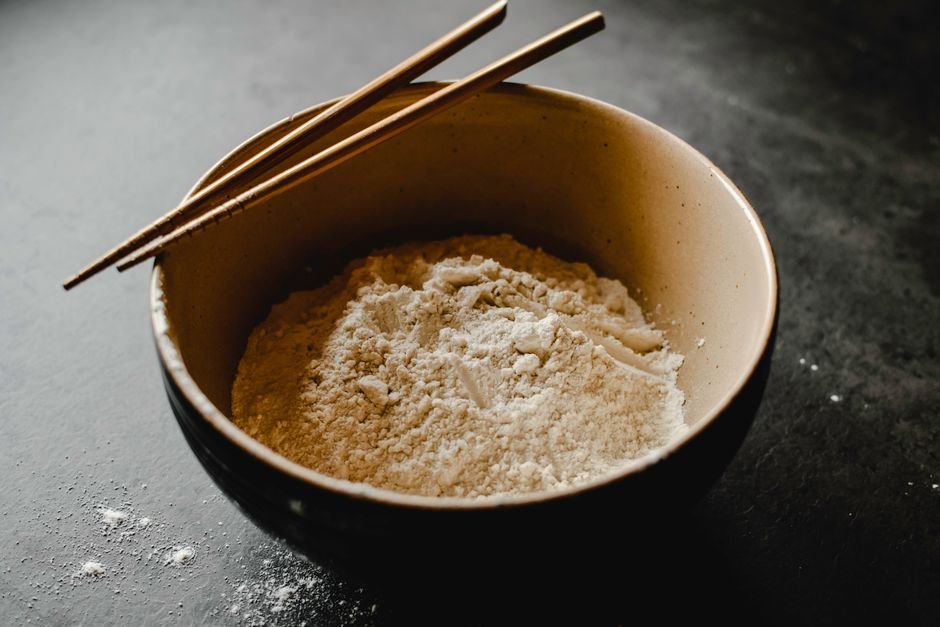
Calories in Sorghum Flour by Serving Size
Calories in sorghum flour for each common serving, with protein, carbs and fat:
| Serving | Calories | Protein | Carbs | Fat |
|---|---|---|---|---|
| 1 cup (121 g) | 434 | 10 g | 93 g | 4 g |
| 100 g | 359 | 8.4 g | 77 g | 3.3 g |
| 1 oz | 102 | 2.4 g | 22 g | 0.9 g |
Sorghum Flour Nutrition Facts
Calories in sorghum flour and the full nutrition facts per 1 cup (121 g):
| Nutrient | Amount | % Daily Value* |
|---|---|---|
| Calories | 434 kcal | |
| Protein | 10 g | 20% |
| Total Fat | 4 g | 5% |
| Saturated Fat | 0.6 g | 3% |
| Trans Fat | 0 g | |
| Sodium | 3.6 mg | 0% |
| Total Carbohydrate | 93 g | 34% |
| Dietary Fiber | 8 g | 29% |
| Total Sugars | 2.3 g | |
| Calcium | 15 mg | 1% |
| Iron | 3.8 mg | 21% |
| Potassium | 392 mg | 8% |
| Magnesium | 149 mg | 35% |
| Zinc | 2 mg | 18% |
| Phosphorus | 336 mg | 27% |
| Selenium | 15 mcg | 27% |
| Vitamin C | 1 mg | 1% |
| Vitamin E | 0.6 mg | 4% |
| Vitamin K | 7.7 mcg | 6% |
| Thiamin (B1) | 0.4 mg | 33% |
| Riboflavin (B2) | 0.1 mg | 6% |
| Niacin (B3) | 5.4 mg | 34% |
| Vitamin B6 | 0.4 mg | 23% |
| Folate (DFE) | 30 mcg | 8% |
Where the calories come from: 83% carbs · 9% protein · 8% fat
*Percent Daily Values are based on a 2,000-calorie diet (FDA reference values). Source: USDA FoodData Central — Sorghum flour, whole-grain (FDC ID 168943, SR Legacy, published 4/1/2019). Values for other servings are calculated from the per-100 g data.
Is Sorghum Flour High in Carbs?
Yes. A cup of sorghum flour has 93 g of total carbohydrate, and that is where most of the calories come from. Total sugars are low at 2.3 g per cup, so the carbohydrate is mostly starch rather than sugar.
Fiber is a meaningful part of that carbohydrate. The cup contains 8 g of dietary fiber, which accounts for 29% of the Daily Value. Because the record describes whole-grain flour, the bran and germ are included, which is why the fiber and mineral numbers are higher than many refined flours.

How Sorghum Flour Compares Across Serving Sizes
The USDA record lists three servings, and the calorie count scales with weight. A 100 g portion has 359 calories, and a 1 oz (28 g) portion has 102 calories. The 1 cup serving is heavier at 121 g, which is why it comes to 434 calories.
Because flour is dense, weighing it gives more consistent results than measuring by volume. The 1 cup figure is only as accurate as the amount you actually scoop, so the gram weights are the more reliable reference.
What Nutrients Does Sorghum Flour Provide?
Per cup, the record shows meaningful amounts of several minerals. Magnesium is 149 mg (35% DV), phosphorus is 336 mg (27% DV), and selenium is 15 mcg (27% DV). Zinc is 2 mg (18% DV), and potassium is 392 mg (8% DV).
Among B vitamins, niacin is 5.4 mg (34% DV) and thiamin is 0.4 mg (33% DV). Sodium is very low at 3.6 mg per cup, and the flour contains no trans fat. Calcium is only 15 mg (1% DV), so it is not a source of calcium.
Using Sorghum Flour in Baking and Cooking
Sorghum flour is naturally free of fat and sugar in the amounts that matter for the calorie count, so the numbers above describe the flour alone. Recipes that add oil, sugar, eggs or butter will raise the calories of the finished dish well beyond the flour figures.
- Measure by weight when you can; the 100 g and 1 oz rows give a more consistent basis than cups.
- Check your recipe’s total flour weight and divide by the number of servings to estimate per-portion flour calories.
- Store it in a sealed container, since whole-grain flours contain fat from the germ that can turn rancid over time.
How Sorghum Flour Compares
Per 100 g, next to similar foods in our database:
| Food (100 g) | Calories | Protein | Carbs | Fat |
|---|---|---|---|---|
| Sorghum Flour | 359 | 8.4 g | 77 g | 3.3 g |
| Cassava Flour | 359 | 0.9 g | 87 g | 0.5 g |
| Tapioca Pearls | 358 | 0.2 g | 89 g | 0 g |
| Oat Bran Dry | 364 | 17 g | 63 g | 8 g |
| Rice Flour White | 366 | 6 g | 80 g | 1.4 g |
| Rye Crispbread | 366 | 7.9 g | 82 g | 1.3 g |
Sorghum Flour FAQ
How many calories are in 1 oz of sorghum flour?
One ounce (28 g) of sorghum flour has 102 calories, with 22 g of carbohydrate, 2.4 g of protein and 0.9 g of fat. Those figures come from the USDA record for whole-grain sorghum flour.
Does sorghum flour have much fat?
Not much. Fat makes up about 8% of the calories.
Is sorghum flour a good source of iron?
The USDA record lists 3.8 mg of iron per cup, which is 21% of the Daily Value. That is one of the more notable micronutrient figures for the flour.
The Bottom Line
A cup of sorghum flour (121 g) has 434 calories, mostly from carbohydrate, with 8 g of fiber and no trans fat. Weigh the flour when you can, and count the calories of any oil, sugar or eggs added in a recipe separately.