
Peas are among the most versatile legumes in the modern diet, appearing on dinner tables worldwide from North America to Asia. Whether frozen, canned, or fresh, they’re a staple vegetable for home cooks, meal preppers, and people managing weight, blood sugar, or aiming to increase protein intake. Their combination of plant-based protein, fiber, and vitamins makes them a practical choice for most nutrition goals.
But understanding exactly how many calories are in peas—and how that varies by preparation and portion—is essential for accurate meal planning. This article breaks down the complete nutrition profile, portion guidance, and practical tips for incorporating peas into a balanced diet.
Calories in Peas (Quick Answer)
A typical serving of green peas contains roughly 60–120 calories depending on how they’re prepared.
- 1 cup frozen peas (160g, cooked): 134 calories
- 1 cup fresh peas (160g, cooked): 134 calories
- ½ cup canned peas (drained, 85g): 41 calories
Calorie counts vary slightly based on processing, cooking method, and whether salt or oil is added during preparation.
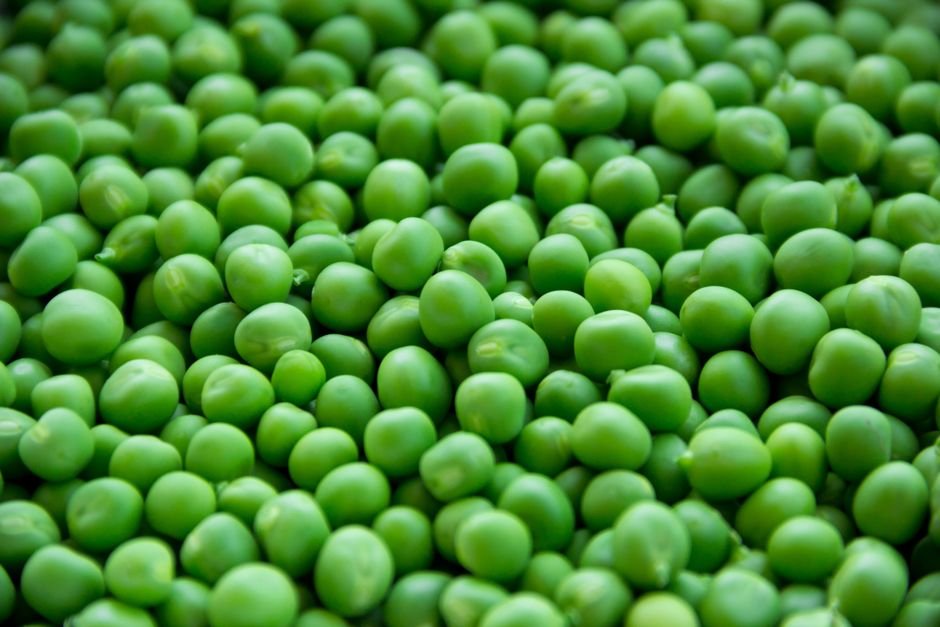
Full Nutrition Facts for 1 Cup (160g) of Cooked Green Peas
Here’s a complete breakdown of the nutrients in a standard 160g serving of cooked frozen or fresh green peas:
| Nutrient | Amount | % Daily Value |
|---|---|---|
| Calories | 134 | — |
| Total Fat | 0.4g | 0.5% |
| Saturated Fat | 0.1g | 0.5% |
| Cholesterol | 0mg | 0% |
| Sodium | 388mg | 17% |
| Total Carbohydrate | 25g | 9% |
| Dietary Fiber | 9g | 32% |
| Total Sugars | 5g | — |
| Protein | 9g | 18% |
| Vitamin C | 20mg | 22% |
| Vitamin K | 39µg | 33% |
| Folate (B9) | 51µg | 13% |
*Percent Daily Values are based on a 2,000-calorie diet. Source: USDA FoodData Central.
Key insight: Peas deliver nearly one-third of your daily fiber requirement in a single cup while providing 9g of plant-based protein—making them unusually satiating for a vegetable. The high fiber-to-calorie ratio supports both weight management and digestive health, while the 9g of carbohydrates is paired with substantial fiber, keeping the glycemic impact moderate for most people.
Etekcity Food Scale
0.1g accuracy — the perfect companion for exact portions.
Frozen vs. Fresh Peas: What’s the Nutritional Difference?
Frozen Peas
- Frozen at peak ripeness, preserving nutrients better than produce that travels to stores
- Often contain no added salt (though some brands do; check labels)
- Exactly 134 calories per cooked cup; consistent and predictable for meal planning
Fresh Peas in the Pod
- Highest vitamin C and folate when absolutely fresh; nutrients decline after harvest
- Require shelling before cooking, adding prep time
- Approximately 134 calories per cooked cup when cooked from fresh, nearly identical to frozen
Practical takeaway: Frozen peas are nutritionally equivalent to fresh (sometimes superior, since they’re frozen at peak ripeness) and far more convenient. For accuracy, buy plain frozen peas without added oils or seasonings; fresh peas in the pod are a treat if available but offer minimal nutritional advantage over frozen.
Is Peas Good for Weight Loss?
Yes. Peas are an excellent weight-loss food because they combine low energy density (only 84 calories per 100g) with high satiety. The 9g of fiber and 9g of protein in a cup trigger fullness signals, helping reduce overall calorie intake without feeling deprived. They’re also nutrient-dense, so you’re not wasting calories on empty foods.
Tips to Eat Peas Without Gaining Weight:
- Measure portions: stick to 1–1.5 cups per serving rather than eating directly from the bag
- Skip oil-based pea snacks and buttered preparations; season with spices, lemon, or vinegar instead
- Pair peas with lean protein and whole grains to amplify satiety and prevent overeating at the next meal
- Use peas to bulk up soups and grain bowls without adding significant calories; they replace more calorie-dense fillers
When eaten as part of a balanced meal rather than as a snack alone, peas support steady weight loss without triggering hunger spikes.
How Portion Size Affects Calories
Peas are one of the easiest foods to portion accurately because a cup is a standard measure. A small increase in portion size has a linear effect on calories—there’s no hidden fat or calories emerging from cooking method (unlike fried foods). This predictability makes peas ideal for calorie-conscious meal planning.
Example:
- Small portion (½ cup / 80g): 67 calories, 4.5g protein, 4.5g fiber
- Large portion (1.5 cups / 240g): 201 calories, 13.5g protein, 13.5g fiber
Choose your portion based on meal context: a half-cup as a side vegetable, a full cup as part of a grain bowl or protein plate.
Best Way to Measure Peas Accurately
For tracking nutrition, weight is more accurate than volume because peas vary slightly in size and how tightly they pack. A food scale eliminates guesswork and ensures you’re logging the correct calorie count, especially important if weight loss is your goal.
Options:
- Food scale: weigh fresh, cooked peas to the nearest gram; most accurate for nutrition tracking
- Measuring cup: fill a standard 1-cup measuring cup; convenient and reliable for consistent portions
- Your hand as reference: a closed fist is roughly ½ cup; use as a quick guide when no tools are available
Calculate Your Exact Calorie Intake
If peas are a regular part of your diet and you’re tracking macros or calories for weight loss or muscle building, knowing the exact nutrient breakdown matters. Small variations in preparation can shift calories, protein, and carbs.
Use our free AI nutrients calculator to input your exact portion and get instant macronutrient and micronutrient breakdowns. Simply try the calculator and enter the food, preparation method, and amount you’re eating.
- Get exact carb and protein counts for any portion size
- Compare frozen, fresh, and canned peas side-by-side
- Track cumulative intake across a full day of eating
Common Mistakes When Eating Peas
Even though peas are nutritious, several common habits can derail your nutrition goals:
❌ Assuming frozen peas are less nutritious than fresh. Frozen peas are often superior because they’re processed at peak ripeness and retain more vitamins.
❌ Adding butter, cream, or oil-based sauces without accounting for calories. A cup of peas plus 2 tablespoons of butter increases calories from 134 to over 300 and fat from 0.4g to 23g.
❌ Confusing peas with split peas or pea protein products. A cup of cooked split pea soup is roughly 230 calories and much higher in carbs; pea protein powder is 120 calories per scoop but very low in fiber.
❌ Eating canned peas without draining thoroughly. Canned peas often contain added sodium and residual liquid; draining reduces sodium by up to 40% without losing nutrients.
Read ingredient labels on frozen peas to confirm no oil or salt has been added, and drain canned varieties thoroughly before logging calories.
FAQ
How many calories are in 100g of peas?
Raw green peas contain approximately 81 calories per 100g; cooked peas contain 84 calories per 100g. The small difference reflects water absorption during cooking.
Is peas fattening?
No. Peas are low in fat (0.4g per cup) and high in fiber, making them one of the least fattening vegetables. They support weight loss when eaten in portion-controlled amounts as part of a balanced meal.
Can I eat peas every day?
Yes. Peas are safe to eat daily and offer varied micronutrients—vitamin K, folate, and vitamin C. However, monitor sodium intake if you eat canned peas frequently, as a single cup can provide 17% of daily sodium limits.
Are frozen peas as good as fresh?
Frozen peas are nutritionally equivalent or superior to fresh. They’re processed at peak ripeness, preserving more nutrients than fresh peas that sit in transit or storage. Choose plain frozen peas without added oil or salt.
Conclusion
Peas are a nutritional powerhouse: 134 calories, 9g of protein, 9g of fiber, and minimal fat per cup make them ideal for weight loss, muscle building, and general health. Their satiety effect (thanks to fiber and protein) helps prevent overeating, while their low energy density and nutrient density ensure you’re getting real nutritional value from every calorie. Whether frozen, fresh, or canned, peas fit easily into any nutrition plan.
The key to maximizing peas’ benefits is accurate portion tracking and avoiding high-fat preparations. Use a food scale for precision, pair peas with lean protein and whole grains for balanced meals, and reach for plain frozen varieties to control sodium and added oils. For detailed macronutrient breakdowns tailored to your portion size and preparation method, use a reliable nutrients calculator to stay on track with your nutrition goals.
