
Pine nuts are a prized ingredient in cuisines across the Mediterranean, Middle East, Asia, and beyond. Whether toasted in pesto, scattered over salads, or eaten as a snack, these buttery kernels offer concentrated nutrition in a small package. People seeking to build muscle, manage weight, or improve heart health often turn to pine nuts as a nutrient-dense option.
But pine nuts are energy-dense: you don’t need many to rack up significant calories. Understanding exactly how many calories are in pine nuts—and how they fit into your diet—is essential for accurate nutrition tracking and informed choices.
Calories in Pine Nuts (Quick Answer)
Pine nuts are exceptionally calorie-rich due to their high fat content.
- 1 ounce (28g) of raw pine nuts: ~191 calories
- 1 cup (140g) of raw pine nuts: ~955 calories
- 1 tablespoon (9g) of roasted pine nuts: ~62 calories
Calorie counts vary slightly depending on moisture content, roasting method, and harvest variety. For the most accurate measurement, use a food scale.
Full Nutrition Facts for 1 Ounce (28g) of Raw Pine Nuts
This is the standard serving size most nutrition databases reference. Pine nuts deliver substantial macronutrients alongside key minerals.
| Nutrient | Amount | % Daily Value |
|---|---|---|
| Calories | 191 | — |
| Total Fat | 19g | 25% |
| Saturated Fat | 3.7g | 19% |
| Cholesterol | 0mg | 0% |
| Sodium | 2mg | <1% |
| Total Carbohydrate | 3.7g | 1% |
| Dietary Fiber | 1g | 4% |
| Total Sugars | 1.1g | — |
| Protein | 3.9g | 8% |
| Magnesium | 71mg | 17% |
| Phosphorus | 152mg | 12% |
| Zinc | 6.5mg | 44% |
*Percent Daily Values are based on a 2,000-calorie diet. Source: USDA FoodData Central.
Key insight: Pine nuts are exceptionally high in zinc—a single ounce delivers 44% of the daily value. This mineral is critical for immune function, wound healing, and protein synthesis. The fat composition is predominantly unsaturated (about 15g per ounce), making pine nuts heart-friendly despite their caloric density. The carbohydrate content is minimal, keeping blood-sugar impact low.
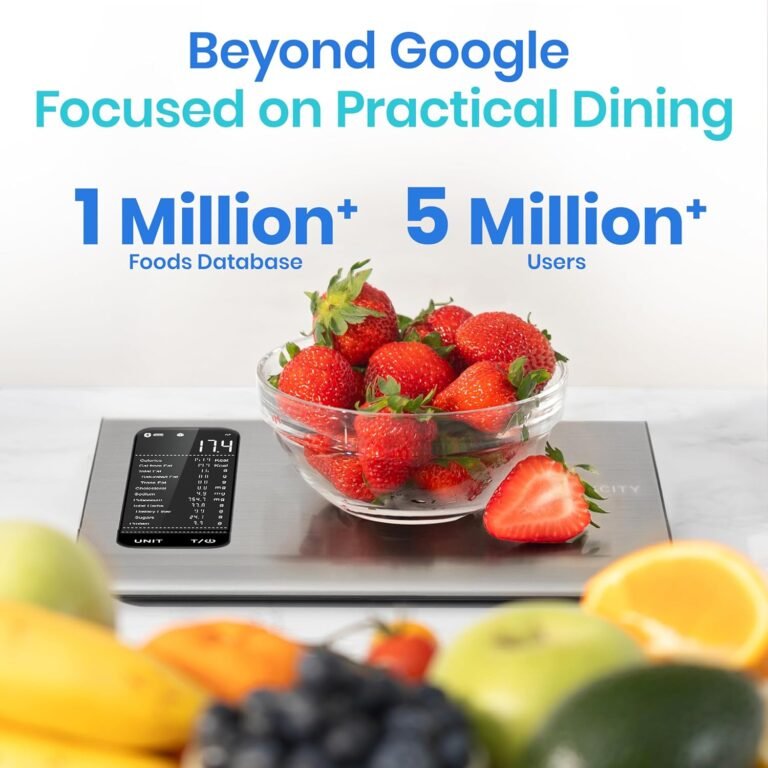
Etekcity Food Scale
0.1g accuracy — the perfect companion for exact portions.
Raw Pine Nuts vs. Roasted Pine Nuts
Raw Pine Nuts
- Highest nutrient density; processing does not degrade heat-sensitive compounds like vitamin E
- Slightly lower calorie count (negligible difference) since no oil is added during roasting
- Paler color and softer texture; milder flavor compared to roasted varieties
Roasted Pine Nuts
- Deeper, nuttier flavor and firmer, crunchier texture; preferred in most culinary applications
- Calories may increase marginally if oil is added during roasting; dry-roasted versions stay similar to raw
- Enhanced digestibility for some people; roasting can reduce enzyme inhibitors found in raw nuts
Practical takeaway: For raw nutrition tracking, raw and dry-roasted pine nuts are nearly identical in calories and macronutrients. Choose whichever you prefer by taste and texture. If your pine nuts are roasted in oil at a commercial facility, check the label for added calories or salt.
Is Pine Nuts Good for Weight Loss?
Pine nuts can fit into a weight-loss diet if portions are strictly controlled. At nearly 200 calories per ounce, they are not a “free” snack—but their high protein and fat content create strong satiety. A small handful (about 1 tablespoon, or 62 calories) added to a salad or grain bowl delivers flavor and fullness without derailing your calorie target. The key is intentional portioning, ideally measuring with a food scale rather than eating directly from the bag.
Tips to Eat Pine Nuts Without Gaining Weight:
- Measure by weight: Use a food scale to portion 1 ounce (28g) or less per serving, rather than eating handfuls
- Pair with fiber: Add pine nuts to salads, roasted vegetables, or whole grains to slow digestion and extend satiety
- Limit frequency: Save pine nuts for 2–3 times per week rather than daily snacking, since their calorie density adds up quickly
- Avoid pre-roasted mixes: Commercially roasted nuts often contain added salt and oil; buy raw or plain-roasted kernels instead
When used strategically, pine nuts support weight loss by keeping you fuller longer, reducing overeating at subsequent meals.
How Portion Size Affects Calories
Pine nuts scale dramatically with portion size. A 1-ounce serving is roughly 23 nuts (varies by size). This modest-looking amount delivers nearly 200 calories. Many home cooks and restaurant kitchens use far larger portions without tracking, which is where calories accumulate rapidly. Doubling your portion to 2 ounces nearly doubles the calorie load to 382 calories—a significant chunk of most people’s daily budget.
Example:
- Small portion (1 tablespoon, 9g): 62 calories—suitable as a garnish on salads or pasta
- Large portion (1/4 cup, 35g): 235 calories—approaching a full snack-sized meal
Always use a kitchen scale to stay accurate, especially when making pesto or nut-based sauces where portions multiply.
Best Way to Measure Pine Nuts Accurately
Eyeballing portions of pine nuts is notoriously unreliable. Their small size and variable density mean a “handful” can range from 15g to 40g depending on hand size and packing. A food scale is the gold standard for consistent, trackable nutrition data. If you don’t have a scale, standardized measuring cups are the next-best option, though they are less precise for small, irregular items like nuts.
Options:
- Digital food scale: Weigh directly into a bowl; most affordable models cost $15–$40 and are accurate to ±1g
- Measuring cups (1/4 cup or tablespoon): Less precise but better than no measurement; 1 tablespoon ≈ 9g and 1 ounce ≈ 2 tablespoons
- Pre-portioned bags: Buy single-serve or small packets labeled by weight if manual measuring feels cumbersome
Calculate Your Exact Calorie Intake
If you eat pine nuts regularly, knowing their exact contribution to your daily calorie and nutrient intake is crucial for achieving your health goals. Eyeballing, even with good intentions, leads to underestimated totals that accumulate quickly with high-calorie foods.
Our free AI nutrients calculator lets you log pine nuts by weight and instantly see calories, macros, and micronutrients. Simply enter your portion size, and the tool calculates how pine nuts fit into your daily targets. Visit our free AI nutrients calculator to start tracking.
- See real-time macro breakdowns (protein, fat, carbs) for your exact portion
- Compare pine nuts side-by-side with other nuts to find the best fit for your goals
- Track daily totals across all foods to stay within your calorie budget
Common Mistakes When Eating Pine Nuts
Pine nuts are simple to eat but easy to overindulge in. Here are the most common pitfalls:
❌ Not measuring portions: Eating directly from a jar or bag masks how much you’ve consumed. A few pinches can easily become 200+ calories before you notice.
❌ Assuming “healthy nut” means unlimited: Just because pine nuts are nutrient-dense doesn’t mean they’re calorie-free. They belong in portions, not handfuls.
❌ Forgetting to count nuts in prepared foods: Pesto, nut-based sauces, trail mixes, and bakery items all contain pine nuts. These hidden sources add up if you’re not reading labels.
❌ Buying oil-roasted or salted varieties without checking labels: Commercial roasting often adds 20–30 extra calories per ounce and excess sodium that other preparations don’t contain.
Track intentionally, measure consistently, and enjoy pine nuts in their true portion: as a garnish or accent, not the main event.
FAQ
How many calories are in 100g of pine nuts?
Raw pine nuts contain approximately 673 calories per 100g. This makes them one of the highest-calorie nuts by weight, alongside macadamia nuts and pecans.
Is pine nuts fattening?
Pine nuts are high in fat (19g per ounce) but not inherently “fattening.” The fat is mostly unsaturated and supports heart health. Weight gain occurs when total calories exceed your needs—pine nuts can contribute to this if portions are not controlled. Used in moderation (1 ounce or less per serving), they fit into any diet.
What are the best pine nuts for pesto?
Italian stone pine nuts (Pinus pinea) are considered the gold standard for pesto due to their buttery flavor and creamy texture. Chinese pine nuts are cheaper but slightly less refined in taste. For the most authentic result, use Italian varieties, though any variety will work.
Can pine nuts cause allergic reactions?
Yes, tree nut allergies can include pine nuts. Additionally, some people report mouth pain or prolonged bitter taste after eating pine nuts—a condition called “pine nut syndrome.” If you have a known tree nut allergy, consult your allergist before consuming pine nuts. If you experience oral irritation, reduce portion size or discontinue use.
Conclusion
Pine nuts are nutritional powerhouses: at 191 calories per ounce, they deliver exceptional levels of protein, healthy fats, magnesium, phosphorus, and especially zinc. Their minimal carbohydrate content and unsaturated fat profile make them suitable for most diets, including low-carb and heart-healthy approaches. Raw and roasted varieties are nutritionally similar, so choose by preference.
The challenge with pine nuts is their extreme caloric density. A single ounce looks deceptively small, yet contains nearly 200 calories. Success with pine nuts relies on **disciplined portion control and accurate measurement**. Use a food scale, limit servings to 1 ounce or less, and pair them with fiber-rich foods for satiety. For ongoing nutrition tracking and personalized insights, rely on a **dependable nutrients calculator** to ensure your intake aligns with your goals.
