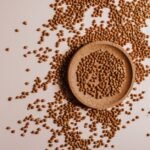
Calories in plantain flour: 172 calories per 1 serving (140 g)
- 1.6 g protein
- 43 g carbs
- 1.3 g fat
- 3 g fiber
Source: USDA FoodData Central · 123 kcal per 100 g
A 140 g serving of plantain flour has 172 kcal, so the calories in plantain flour come mostly from carbohydrate: 43 g per serving, with just 1.6 g of protein and 1.3 g of fat. The per-100 g figure is 123 kcal, and the 1 oz (28 g) figure is 35 kcal.
What stands out is how little of the calorie total comes from fat. Carbohydrate supplies about 91% of the calories, protein about 3%, and fat about 6%. The flour also contains no sodium and provides 396 mg of potassium per 100 g.

Calories in Plantain Flour by Serving Size
Calories in plantain flour for each common serving, with protein, carbs and fat:
| Serving | Calories | Protein | Carbs | Fat |
|---|---|---|---|---|
| 1 serving (140 g) | 172 | 1.6 g | 43 g | 1.3 g |
| 100 g | 123 | 1.2 g | 31 g | 0.9 g |
| 1 oz | 35 | 0.3 g | 8.8 g | 0.3 g |
Plantain Flour Nutrition Facts
Calories in plantain flour and the full nutrition facts per 1 serving (140 g):
| Nutrient | Amount | % Daily Value* |
|---|---|---|
| Calories | 172 kcal | |
| Protein | 1.6 g | 3% |
| Total Fat | 1.3 g | 2% |
| Sodium | 0 mg | 0% |
| Total Carbohydrate | 43 g | 16% |
| Dietary Fiber | 3 g | 11% |
| Total Sugars | 20 g | |
| Calcium | 5.4 mg | 0% |
| Iron | 0.4 mg | 2% |
| Potassium | 554 mg | 12% |
| Magnesium | 48 mg | 11% |
| Zinc | 0.2 mg | 2% |
| Phosphorus | 42 mg | 3% |
| Vitamin C | 28 mg | 31% |
| Riboflavin (B2) | 0.1 mg | 11% |
| Vitamin B6 | 0.3 mg | 16% |
Where the calories come from: 91% carbs · 6% fat · 3% protein
*Percent Daily Values are based on a 2,000-calorie diet (FDA reference values). Source: USDA FoodData Central — Plantains, ripe, raw (FDC ID 2710817, Foundation, published 10/31/2024). Values for other servings are calculated from the per-100 g data.
How Plantain Flour Compares per Gram and per Serving
The numbers on this page are for plantain flour as sold, in its raw, dry form. The USDA record it is based on is for ripe, raw plantains, and the values have not been adjusted for any cooking. Per 100 g, plantain flour has 123 kcal, 31 g of carbohydrate, 2.1 g of fiber, and 14 g of total sugars.
Because flour is dense and easy to measure by weight, the 100 g and 140 g figures are the most useful for comparing products. A 140 g serving gives 172 kcal and 43 g of carbohydrate. If you are measuring with a scale, the 28 g (1 oz) entry is the easiest to check against a package label.
What the Vitamin C and Potassium Numbers Show
A 140 g serving provides 28 mg of vitamin C, which is 31% of the Daily Value, and 554 mg of potassium, which is 12% of the Daily Value. These are the most notable micronutrients in the data. Protein is low at 1.6 g per serving, so plantain flour should not be counted as a significant protein source.
Other minerals are present in smaller amounts. A serving has 48 mg of magnesium (11% DV), 42 mg of phosphorus (3% DV), and 0.4 mg of iron (2% DV). Calcium is 5.4 mg per serving, which is 0% DV on the label.
Is Plantain Flour a Low-Carb or Low-Sugar Choice?
No. Plantain flour is a carbohydrate-dense food, with 43 g of carbohydrate in a 140 g serving and 31 g per 100 g. It is not a low-carb ingredient, and people tracking carbohydrates will need to count it as a major source of carbs.
The flour contains 20 g of total sugars per 140 g serving. For sodium, the data shows 0 mg per serving. That is useful for people watching sodium, though the figure applies only to the flour itself, before any salt is added in a recipe.
Measuring and Storing Plantain Flour for Consistent Results
Weigh the flour rather than scooping it. Flour can pack differently depending on how it is handled, so a scoop can vary widely in weight. A kitchen scale gives you a reliable figure, and the 100 g and 1 oz entries in the data make conversions straightforward.
- Weigh portions in grams when logging, using the 140 g or 28 g figures above.
- Keep the flour sealed in a dry container. Moisture changes how much it weighs when you measure by volume.
- Check your recipe’s total weight if you combine plantain flour with other flours, so the per-gram numbers stay accurate.
How Plantain Flour Compares
Per 100 g, next to similar foods in our database:
| Food (100 g) | Calories | Protein | Carbs | Fat |
|---|---|---|---|---|
| Plantain Flour | 123 | 1.2 g | 31 g | 0.9 g |
| Barley Flakes | 123 | 2.3 g | 28 g | 0.4 g |
| Millet Flakes | 119 | 3.5 g | 24 g | 1 g |
| Spelt Pasta | 127 | 5.5 g | 26 g | 0.9 g |
| Oat Groats | 118 | 3.2 g | 19 g | 4 g |
| Rice Vermicelli | 129 | 2.8 g | 22 g | 3.2 g |
Plantain Flour FAQ
Does plantain flour have more calories than wheat flour?
This page only has numbers for plantain flour, so it cannot make a direct comparison. For plantain flour itself, a 100 g portion has 123 kcal and a 140 g serving has 172 kcal.
How much protein is in plantain flour?
A 140 g serving has 1.6 g of protein (3% DV), and 100 g has 1.2 g. Plantain flour is low in protein relative to its carbohydrate content.
Is plantain flour gluten-free?
The USDA data sheet for this entry does not list gluten content, so this page cannot confirm it. Check the product label or manufacturer information if you need to avoid gluten.
How many calories are in 1 oz of plantain flour?
One ounce (28 g) of plantain flour has 35 kcal, 8.8 g of carbohydrate, and 0.3 g of fat.
The Bottom Line
A 140 g serving of plantain flour has 172 kcal, almost all from carbohydrate, so weighing portions gives the most accurate tracking. The flour is notable for its potassium and vitamin C content and for containing no sodium.