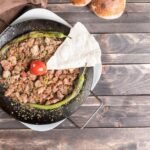
Calories in pork tenderloin: 476 calories per 1 piece (333 g)
- 87 g protein
- 0 g carbs
- 12 g fat
Source: USDA FoodData Central · 143 kcal per 100 g
One 333 g cooked piece of pork tenderloin (excluding refuse, from 1 lb of raw meat) has 476 calories in it, with 87 g of protein, 12 g of fat, and no carbohydrate. Per 100 g, the cooked lean meat has 143 calories.
What stands out is how little of the energy comes from fat. The USDA data puts the calorie split at 77% protein, 0% carbohydrate, and 23% fat, so most of the calories are coming from protein. Pork tenderloin also supplies a lot of B vitamins and selenium relative to its calories.
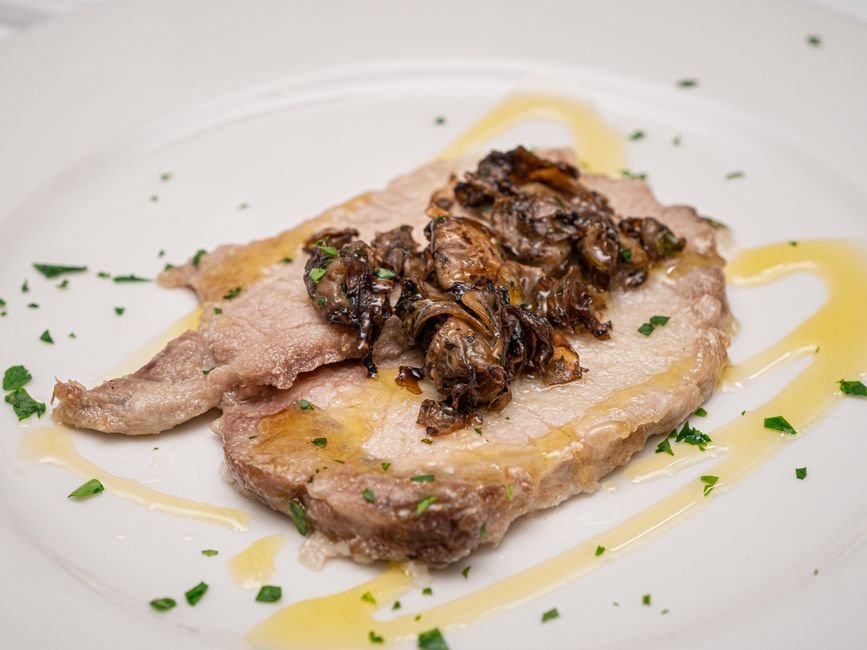
Calories in Pork Tenderloin by Serving Size
Calories in pork tenderloin for each common serving, with protein, carbs and fat:
| Serving | Calories | Protein | Carbs | Fat |
|---|---|---|---|---|
| 1 piece, cooked, excluding refuse (yield from 1 lb raw meat with refuse) (333 g) | 476 | 87 g | 0 g | 12 g |
| 3 oz | 122 | 22 g | 0 g | 3 g |
| 1 roast (402 g) | 575 | 105 g | 0 g | 14 g |
| 100 g | 143 | 26 g | 0 g | 3.5 g |
| 1 oz | 41 | 7.4 g | 0 g | 1 g |
Pork Tenderloin Nutrition Facts
Calories in pork tenderloin and the full nutrition facts per 1 piece, cooked, excluding refuse (yield from 1 lb raw meat with refuse) (333 g):
| Nutrient | Amount | % Daily Value* |
|---|---|---|
| Calories | 476 kcal | |
| Protein | 87 g | 174% |
| Total Fat | 12 g | 15% |
| Saturated Fat | 4 g | 20% |
| Trans Fat | 0.1 g | |
| Cholesterol | 243 mg | 81% |
| Sodium | 190 mg | 8% |
| Total Carbohydrate | 0 g | 0% |
| Dietary Fiber | 0 g | 0% |
| Total Sugars | 0 g | |
| Vitamin D | 0.7 mcg | 3% |
| Calcium | 20 mg | 2% |
| Iron | 3.8 mg | 21% |
| Potassium | 1402 mg | 30% |
| Magnesium | 97 mg | 23% |
| Zinc | 8.1 mg | 73% |
| Phosphorus | 889 mg | 71% |
| Selenium | 127 mcg | 231% |
| Vitamin E | 0.3 mg | 2% |
| Thiamin (B1) | 3.2 mg | 264% |
| Riboflavin (B2) | 1.3 mg | 99% |
| Niacin (B3) | 25 mg | 155% |
| Vitamin B6 | 2.5 mg | 145% |
| Vitamin B12 | 1.9 mcg | 79% |
Where the calories come from: 77% protein · 23% fat · 0% carbs
*Percent Daily Values are based on a 2,000-calorie diet (FDA reference values). Source: USDA FoodData Central — Pork, fresh, loin, tenderloin, separable lean only, cooked, roasted (FDC ID 168250, SR Legacy, published 4/1/2019). Values for other servings are calculated from the per-100 g data.
How Much Does a 3 Oz Serving of Pork Tenderloin Have?
A 3 oz (85 g) cooked serving has 122 calories, 22 g of protein, 3 g of fat, and no carbohydrate. That is a useful reference point if you weigh meat after cooking, since the numbers above are for cooked, lean-only meat.
A 1 oz (28 g) serving has 41 calories, 7.4 g of protein, and 1 g of fat. The 100 g figure is 143 calories, 26 g of protein, and 3.5 g of fat. The 1 roast entry in the data (402 g) comes to 575 calories, 105 g of protein, and 14 g of fat.
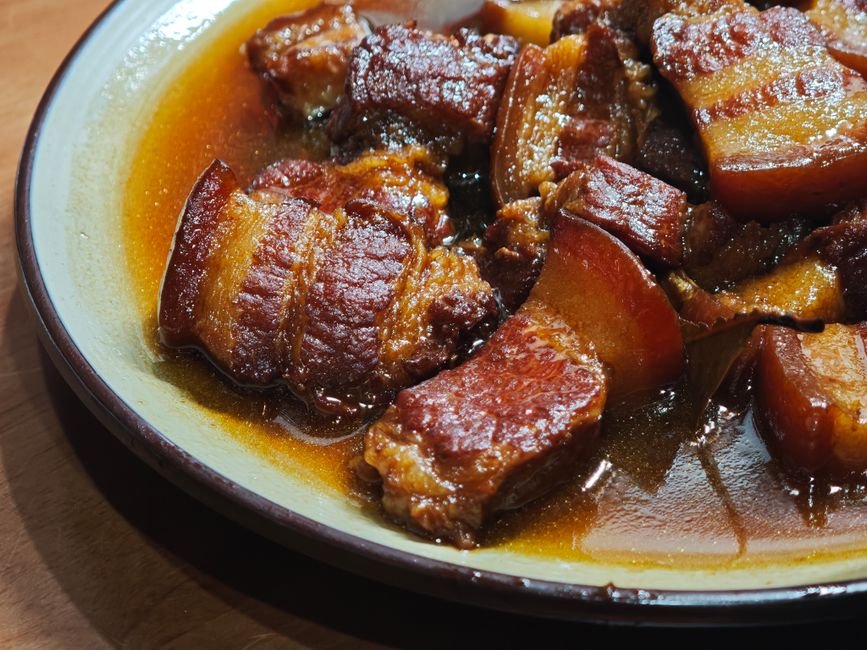
What Nutrients Stand Out in Pork Tenderloin?
The lead serving provides 3.2 mg of thiamin (264% DV), 25 mg of niacin (155% DV), 2.5 mg of vitamin B6 (145% DV), and 1.9 mcg of vitamin B12 (79% DV). It also provides 127 mcg of selenium (231% DV) and 8.1 mg of zinc (73% DV).
Pork tenderloin is a poor source of carbohydrate, fiber, and sugar, since the data lists all three at 0 g. It has no vitamin C, folate, or vitamin A in the record. Potassium is 1402 mg in the lead serving (30% DV).
Is Pork Tenderloin High in Sodium or Cholesterol?
The lead serving has 190 mg of sodium (8% DV), which is moderate for a serving of meat. Sodium rises quickly with brining, marinades, or seasoning blends, so check the label on any pre-seasoned product. The USDA record describes plain roasted meat, so its sodium figure does not include added salt.
Saturated fat is 4 g (20% DV). If you track either number, the 3 oz serving is the easiest size to compare, since it contains 122 calories and 3 g of fat.
Does Cooking Method Change the Numbers?
These figures are for the cooked, lean-only meat in the USDA record. Raw pork, or cuts with the visible fat left on, will have different values, and so will breaded or glazed versions. The most reliable way to match the data is to weigh the meat after cooking and use the cooked figures.
Because most of the calories come from protein and only a small share from fat, the cooking method matters less for this cut than it does for fattier cuts. Added oil, butter, or sugar-based glazes are the main things that would change the total.
How Pork Tenderloin Compares
Per 100 g, next to similar foods in our database:
| Food (100 g) | Calories | Protein | Carbs | Fat |
|---|---|---|---|---|
| Pork Tenderloin | 143 | 26 g | 0 g | 3.5 g |
| Bacon Canadian | 146 | 28 g | 1.8 g | 2.8 g |
| Lamb Kidney | 137 | 24 g | 1 g | 3.6 g |
| Pork Sirloin | 156 | 31 g | 0 g | 2.6 g |
| Ostrich Steak | 159 | 29 g | 0 g | 4 g |
| Pork Liver | 165 | 26 g | 3.8 g | 4.4 g |
Pork Tenderloin FAQ
Does pork tenderloin have any carbs?
No. The USDA record lists 0 g of total carbohydrate, 0 g of fiber, and 0 g of sugars per serving.
How much protein is in pork tenderloin?
The lead serving of 333 g has 87 g of protein. A 3 oz (85 g) serving has 22 g.
The Bottom Line
Pork tenderloin is lean and nearly all protein by calorie share, with 122 calories and 22 g of protein in a 3 oz cooked serving. Check sodium if you buy it seasoned or brined, and weigh cooked portions to match the numbers.