
Prunes—dried plums—are a staple snack and digestive aid consumed globally, particularly popular in the Mediterranean and Middle East. They’re favored by older adults managing digestion, athletes seeking quick energy, and anyone looking to increase their daily fiber intake. Prunes fit squarely into discussions about natural wellness, with a reputation spanning centuries in traditional medicine.
But how many calories are actually in prunes? And how do they compare nutritionally to fresh plums or other dried fruits? This guide breaks down the complete nutrition profile of prunes, portion strategies, and how to fit them into your diet without overdoing calories.
Calories in Prunes (Quick Answer)
A typical serving of prunes contains between 70–100 calories, depending on portion size and variety.
- ¼ cup (about 11–12 prunes): ~100 calories
- 2 prunes (1 oz): ~40 calories
- ½ cup (~23 prunes): ~200 calories
Calorie counts vary slightly by brand, moisture content, and whether prunes are pitted or unpitted, though the difference is minimal.

Full Nutrition Facts for ¼ Cup (About 43g) of Prunes
A quarter-cup serving of prunes provides substantial carbohydrates and fiber, making it a nutrient-dense choice despite moderate calories. Here’s the complete breakdown:
| Nutrient | Amount | % Daily Value |
|---|---|---|
| Calories | 100 | — |
| Total Fat | 0.3g | <1% |
| Saturated Fat | 0g | 0% |
| Cholesterol | 0mg | 0% |
| Sodium | 2mg | <1% |
| Total Carbohydrate | 26g | 9% |
| Dietary Fiber | 3.1g | 11% |
| Total Sugars | 16g | — |
| Protein | 1.1g | 2% |
| Vitamin K | 28.5mcg | 24% |
| Potassium | 290mg | 6% |
| Boron | 1.3mg | — |
*Percent Daily Values are based on a 2,000-calorie diet. Source: USDA FoodData Central.
Key insight: Prunes pack 11% of your daily fiber into just 100 calories, with more than half that fiber being soluble fiber, which actively supports digestive regularity and may help stabilize blood sugar. The high vitamin K content also makes prunes valuable for bone health, a key reason they’re recommended for aging adults. Despite 16g of natural sugars, the fiber content meaningfully slows glucose absorption, making the glycemic impact gentler than the sugar count alone suggests.
Etekcity Food Scale
0.1g accuracy — the perfect companion for exact portions.
Fresh Plums vs. Dried Prunes: Nutrition Comparison
Fresh Plums (1 medium, ~66g)
- ~30 calories, 7g carbs, 1g fiber, 7g natural sugars
- Higher water content (85%) reduces nutrient density by weight
- Spoil quickly; must be eaten within days of ripeness
Dried Prunes (¼ cup, ~43g)
- ~100 calories, 26g carbs, 3.1g fiber, 16g natural sugars
- Water removed concentrates all nutrients and sugars into smaller volume
- Shelf-stable for months; convenient for travel and storage
Practical takeaway: Prunes deliver roughly 3–4 times the nutrients of fresh plums in the same weight, making them ideal when you need sustained energy or high fiber intake. However, the concentrated sugar means portion control matters more with dried prunes. If you’re managing blood sugar, fresh plums offer the same nutritional benefits at lower calorie and sugar density, though you’d need to eat several to match the fiber of a handful of prunes.
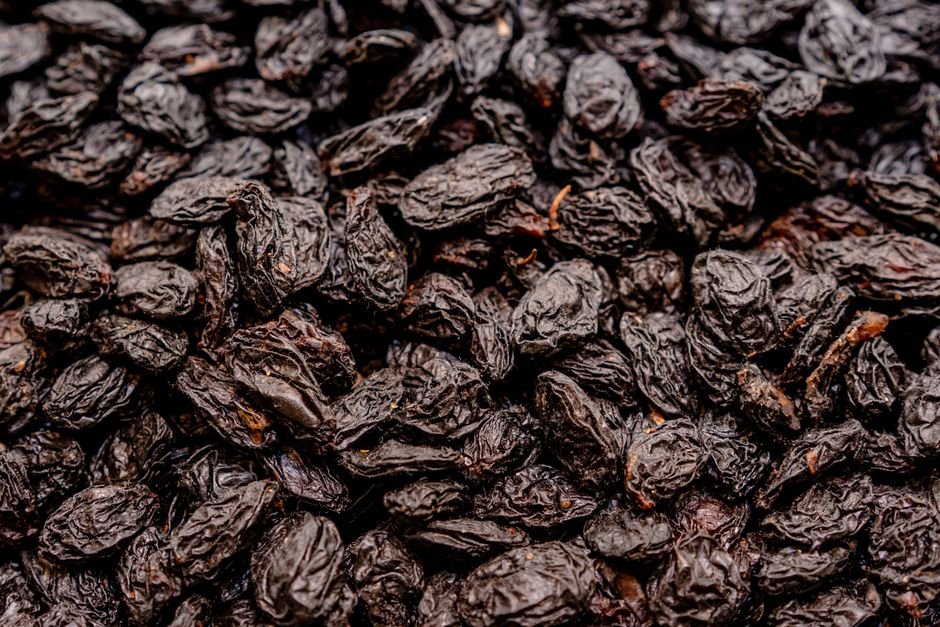
Is Prunes Good for Weight Loss?
Prunes can support weight loss if eaten mindfully. They’re low in fat, contain no cholesterol, and their fiber creates fullness that can reduce overall calorie intake. However, their calorie and sugar density means a small portion looks deceptively light—it’s easy to overeat. The key is treating prunes as a measured snack, not a free-eat food. A handful (about 6–8 prunes) makes a satisfying 70-calorie snack that pairs well with protein, like nuts or cheese, to slow sugar absorption and boost satiety.
Tips to Eat Prunes Without Gaining Weight:
- Measure portions beforehand. Pre-portion a small bag or container rather than eating from a bulk container—the concentrated calories add up quickly.
- Pair with protein or fat. Combine prunes with almonds, walnuts, or a cheese stick to slow digestion and prevent blood sugar spikes that trigger hunger later.
- Use as a sugar substitute. Replace candy or refined snacks with 2–3 prunes when you want something sweet; the natural sugars and fiber beat processed alternatives.
- Count them daily. Include prunes in your total carb and calorie tracking, especially if you’re managing diabetes or following a low-carb diet.
When used as one piece of a balanced diet—not as an unlimited snack—prunes support steady weight loss by adding fiber and nutrients without excessive calories.
How Portion Size Affects Calories
Prunes’ calorie density means portion size dramatically affects total intake. Because they’re dried and compact, visual estimation is unreliable; a handful can range from 50 to 150+ calories depending on hand size. Using a scale or a standard measuring cup eliminates guesswork and is especially important if you’re tracking calories or managing a condition like diabetes.
Example:
- Small portion (2 prunes, 1 oz): 40 calories, 10.5g carbs, 1.2g fiber
- Large portion (½ cup, ~23 prunes): 200 calories, 52g carbs, 6.2g fiber
The difference between a small snack and a meal-sized portion is five-fold—a clear reminder that prunes require deliberate measuring.
Best Way to Measure Prunes Accurately
The most reliable way to measure prunes is by weight using a food scale, since prune size varies by variety and moisture. If a scale isn’t available, a dry measuring cup (¼ cup or ½ cup) gives consistent results. Counting individual prunes works if you stick to small portions like 2–3, but larger servings are easier to measure by cup than by hand.
Options:
- Food scale (grams): Weigh portions to the gram for perfect accuracy; 43g = one standard serving (¼ cup, ~100 calories).
- Measuring cup: Use a dry measuring cup; fill to the line and level with a knife. Reliable for most home cooking and snacking.
- Visual reference: For quick estimates, one prune ≈ 3–4 calories. Count them out if you have just a handful; only practical for very small portions.
Calculate Your Exact Calorie Intake
Prunes are simple nutritionally, but if you’re combining them with other foods throughout the day, knowing your total calorie and macro intake is essential—especially for weight loss or athletic performance. Manually adding up prunes, nuts, yogurt, and other foods is error-prone and time-consuming.
Our free AI-powered nutrition calculator helps you log prunes and hundreds of other foods instantly, giving you real-time totals for calories, carbs, protein, fiber, and key micronutrients. No registration required—just search for “prunes,” select your portion, and track the rest of your day.
- Get instant calorie and macro breakdowns for any food or meal combination
- Track fiber, sugars, vitamins, and minerals to optimize your nutrition goals
- Compare portions side-by-side to make confident eating decisions
Use the free nutrition calculator now.
Common Mistakes When Eating Prunes
Despite their health reputation, prunes are often eaten in ways that undermine their benefits. Here are the four biggest pitfalls:
❌ Eating from the bag without measuring. One handful from a bulk bag can be anywhere from 50 to 150 calories. Without counting or measuring, it’s impossible to know your actual intake. Always pre-portion or use a measuring cup.
❌ Ignoring the sugar content because they’re “natural.” A quarter-cup serving contains 16g of sugar—as much as a small cookie or candy bar. Natural doesn’t mean calorie-free or suitable for unrestricted eating, especially if you’re managing blood sugar or weight.
❌ Pairing prunes only with carbs (like crackers or granola). Sugar + carbs spike blood glucose fast, leaving you hungrier soon after. Always pair prunes with protein or fat—nuts, cheese, yogurt—to slow digestion and stabilize energy.
❌ Overusing prunes as a digestive aid. More than a handful daily can overstimulate the bowels, especially in people with sensitive digestion. Stick to 5–8 prunes daily for digestive support; higher amounts are unnecessary and may cause cramping.
Awareness of these common patterns helps you enjoy prunes as a genuine nutritional asset rather than an accidental calorie and sugar overload.
FAQ
How many calories are in 100g of prunes?
100g of prunes contains approximately 240 calories. Since a standard serving is about 43g (¼ cup), you can scale this down: roughly 100 calories per serving. Always verify the package label, as moisture content and variety can cause slight variations.
Is prunes fattening?
Prunes themselves are fat-free and not inherently fattening, but their calorie and sugar density means they can contribute to weight gain if eaten in large quantities without portion control. A moderate serving (about 6–8 prunes) fits easily into a weight-loss diet; the problem arises when portions aren’t measured and calories accumulate untracked.
Do prunes help with constipation?
Yes. Prunes contain sorbitol, a sugar alcohol that acts as a natural laxative, plus 11% of your daily fiber per serving. Studies consistently show that eating 5–12 prunes daily improves bowel regularity and stool frequency in people with constipation. Drinking water alongside prunes enhances the effect.
Can I eat prunes on a keto or low-carb diet?
No. At 26g of carbs per ¼-cup serving, prunes exceed the daily carb limit on a strict keto diet (20–50g daily) and are too carb-dense for low-carb approaches. Fresh berries or small portions of nuts are better alternatives if you’re following a ketogenic diet.
Conclusion
Prunes are a nutrient-rich, fiber-packed dried fruit that deserves a place in most diets. At 100 calories per quarter-cup, they’re moderate in calories but concentrated in natural sugars, vitamin K, and soluble fiber—making them genuinely helpful for digestive health, bone support, and sustained energy. The catch is their portion-friendly appearance masks their caloric density; a few prunes add up quickly if you’re not measuring.
Whether you’re managing digestion, seeking a natural sweet snack, or optimizing athletic nutrition, prunes work best when portions are measured and paired with protein. If you’re tracking your intake across multiple foods, using a reliable nutrients calculator removes the guesswork and keeps you accountable to your goals. Start with a measured handful and adjust based on your hunger and health objectives.
