
Pumpkin is a fall staple and autumn comfort food enjoyed across North America and beyond, from soups and pies to lattes and roasted sides. Whether you’re managing weight, controlling blood sugar, or simply looking for a nutrient-dense vegetable, pumpkin offers real nutritional value—but its calorie content varies dramatically depending on how it’s prepared and served.
If you’ve wondered, “How many calories are in pumpkin?”—the answer depends on serving size, whether it’s raw or cooked, and what else you add to it. This guide breaks down the exact numbers, nutrition facts, and practical tips for including pumpkin in a balanced diet.
Calories in Pumpkin (Quick Answer)
Here are the calorie counts for common pumpkin servings and preparations:
- Raw pumpkin (1 cup, cubed): 30 calories
- Roasted pumpkin (1 cup, cubed): 82 calories
- Canned pumpkin puree (1/2 cup): 41 calories
Calorie content varies based on moisture loss during cooking, the type of pumpkin used, and whether added ingredients (oil, sugar, butter) are included.
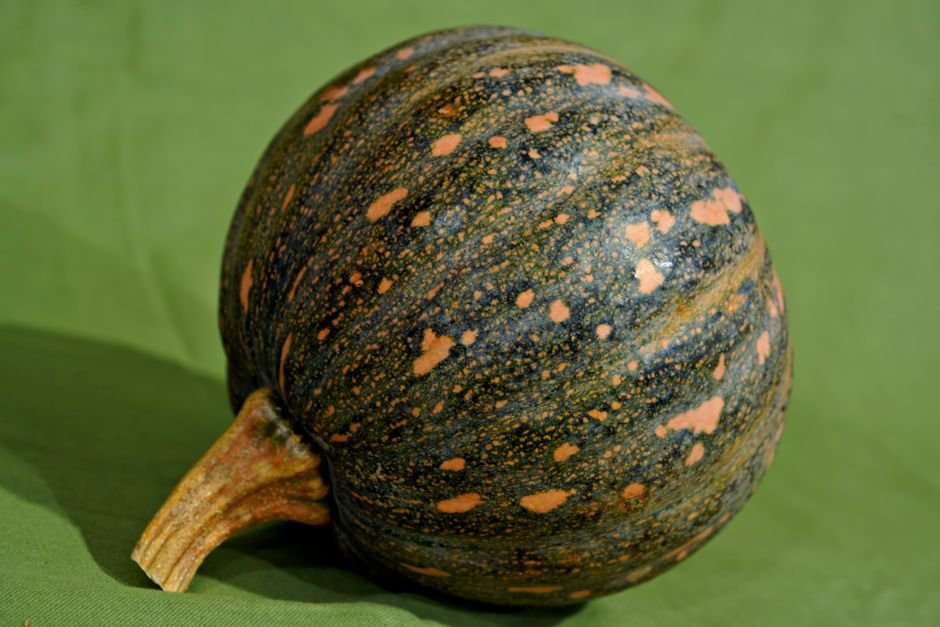
Full Nutrition Facts for 1 Cup (116g) of Raw Pumpkin
Raw pumpkin is mostly water and fiber, making it one of the lowest-calorie vegetables available. Here’s the complete nutritional breakdown for a standard cup of cubed raw pumpkin:
| Nutrient | Amount | % Daily Value |
|---|---|---|
| Calories | 30 | 1% |
| Total Fat | 0.1g | <1% |
| Saturated Fat | 0g | 0% |
| Cholesterol | 0mg | 0% |
| Sodium | 1mg | <1% |
| Total Carbohydrate | 8g | 3% |
| Dietary Fiber | 1.1g | 4% |
| Total Sugars | 3.6g | — |
| Protein | 1g | 2% |
| Vitamin A (RAE) | 426mcg | 53% |
| Potassium | 340mg | 7% |
| Vitamin C | 6mg | 7% |
*Percent Daily Values are based on a 2,000-calorie diet. Source: USDA FoodData Central.
Key insight: Raw pumpkin is exceptionally low in calories and fat while delivering 53% of your daily vitamin A requirement—the orange pigment (beta-carotene) supports eye health, immune function, and skin. The fiber content promotes satiety and stable blood sugar, making pumpkin an excellent choice for weight management and digestive health.
Etekcity Food Scale
0.1g accuracy — the perfect companion for exact portions.
Raw Pumpkin vs. Roasted Pumpkin: Nutritional Differences
Raw Pumpkin
- 30 calories per cup, high water content (92%)
- Crisp texture, minimal nutrient concentration
- Best for salads, smoothies, or fresh snacking
Roasted Pumpkin
- 82 calories per cup as water evaporates and sugars concentrate
- Sweeter flavor, softer texture, more caramelized
- Better for soups, sides, and baked goods; higher nutrient density per bite
Practical takeaway: Roasting pumpkin intensifies sweetness and concentrates nutrients, but nearly triples the calorie density. If you’re strict on calories, choose raw or steam it lightly. If you’re seeking flavor and comfort, roasting with minimal oil remains a wholesome option under 100 calories per serving.
Is Pumpkin Good for Weight Loss?
Yes, pumpkin is an excellent choice for weight loss. At just 30 calories raw and high in water and fiber, it fills you up without spiking blood sugar. The fiber (1.1g per cup) promotes satiety, helping you eat less overall. Pumpkin’s natural sweetness also curbs cravings for sugary snacks, making it a smart substitute in both savory and sweet dishes.
Tips to Eat Pumpkin Without Gaining Weight:
- Avoid pumpkin lattes, pies, and canned soups loaded with added sugar and cream—they can exceed 400 calories per serving.
- Roast raw pumpkin cubes with a light spray of oil and herbs instead of butter or cream-based sauces.
- Use pumpkin puree in protein smoothies, oatmeal, or yogurt for a 40–80 calorie boost with minimal fat.
- Pair pumpkin with protein (beans, chicken, tofu) to balance macros and extend satiety.
When prepared mindfully, pumpkin becomes a calorie-light, nutrient-dense staple that supports consistent weight loss without deprivation.
How Portion Size Affects Calories
Portion size is critical with pumpkin, especially when cooked or processed. A single cup of raw pumpkin is substantial and filling, but calorie counts scale directly with weight. Cooking concentrates the food, so the same mass of roasted pumpkin takes up less volume but contains significantly more calories per bite.
Example:
- Small portion (½ cup raw pumpkin): 15 calories, 0.5g fiber
- Large portion (2 cups raw pumpkin): 60 calories, 2.2g fiber
A standard serving for most recipes is 1 cup raw or ½ cup roasted, keeping calories minimal while delivering substantial nutrition.
Best Way to Measure Pumpkin Accurately
Measuring pumpkin by volume (cups) is quick but imprecise; density varies based on how finely it’s chopped and moisture content. For tracking calories accurately, especially when cooked or pureed, use a digital kitchen scale to measure by weight (grams). This ensures consistency across your nutrition logging.
Options:
- Digital scale (most accurate): Measure raw pumpkin cubes or puree by grams. One cup raw pumpkin ≈ 116g; one cup roasted ≈ 245g.
- Measuring cups (good for recipes): Use a dry measuring cup, press gently, and level off. Works well for roasted cubes and puree.
- Whole pumpkin estimation: A medium pie pumpkin (2 lbs) yields roughly 2 cups puree; weigh and divide if tracking precisely.
Calculate Your Exact Calorie Intake
When pumpkin is part of a mixed dish—soup, casserole, smoothie—calculating total calories requires accounting for all ingredients. Pumpkin alone is straightforward, but its calorie contribution changes based on what you cook it with and in what proportions.
Our site offers a free AI-powered nutrients calculator that factors in serving size, cooking method, and ingredient combinations. You can instantly see how a bowl of pumpkin soup or roasted pumpkin side dish fits into your daily calorie and macro goals—try it here.
- Account for added oils, butter, and cream in pumpkin recipes—they add 100+ calories per tablespoon.
- Identify hidden sugars in commercial pumpkin products, which often double or triple the natural carb content.
- Balance pumpkin-heavy meals with protein and healthy fats to maintain satiety and stable energy.
Common Mistakes When Eating Pumpkin
Pumpkin is forgiving and nutrient-rich, but a few common errors can undermine its health benefits or inflate calorie intake:
❌ Assuming all pumpkin products are low-calorie. Store-bought pumpkin pie filling, seasonal lattes, and flavored yogurts often contain 10+ teaspoons of added sugar per serving—far more than plain pumpkin.
❌ Cooking pumpkin in large amounts of oil or cream. A tablespoon of butter adds 100 calories; a quarter cup of heavy cream adds 200. Use cooking spray or a teaspoon of oil instead.
❌ Overcooking raw pumpkin, which concentrates sugars and reduces water content without adding nutrients. Lightly steam or roast to preserve texture and minimize calorie density.
❌ Treating pumpkin seeds as a guilt-free snack. While nutritious, pumpkin seeds are calorie-dense (151 calories per ounce), so measure portions carefully.
Avoiding these pitfalls lets you enjoy pumpkin’s full nutritional potential without accidental calorie overages.
FAQ
How many calories are in 100g of pumpkin?
Raw pumpkin contains approximately 26 calories per 100g. This varies slightly by variety and water content, but raw pumpkin is universally one of the lowest-calorie vegetables.
Is pumpkin fattening?
Plain pumpkin is not fattening—it’s low in calories and fat. However, pumpkin-based products (pies, lattes, creamy soups) loaded with sugar, butter, and cream are calorie-dense and can promote weight gain if eaten in large amounts.
Can I eat pumpkin every day?
Yes, you can safely eat pumpkin daily. At 30 calories raw, even multiple servings remain low-calorie. The fiber and micronutrients support digestive health and immunity long-term.
How much fiber is in pumpkin?
One cup of raw pumpkin contains 1.1g of dietary fiber. While modest, this fiber aids digestion and blood sugar control, especially when paired with protein and other high-fiber foods.
Conclusion
Pumpkin is a nutritional powerhouse: low in calories (30 per raw cup), rich in beta-carotene, fiber, and potassium, and naturally sweet enough to satisfy cravings without added sugar. Whether you’re pursuing weight loss, managing diabetes, or simply eating seasonally, plain pumpkin fits easily into balanced meals. The key is choosing preparation methods that preserve its nutritional density—roasting with minimal oil, adding to smoothies, or blending into soups—rather than relying on processed pumpkin products laden with sugar and cream.
To make confident choices about pumpkin and other foods, rely on accurate nutrition data and thoughtful portion sizing. Using a **reliable nutrients calculator** ensures you’re tracking calories and macros precisely, turning seasonal favorites like pumpkin into sustainable parts of your long-term health routine.
