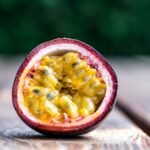
Calories in raspberry red: 221 calories per 100 g (100 g)
- 3 g protein
- 53 g carbs
- 1.3 g fat
- 1.1 g fiber
Source: USDA FoodData Central · 221 kcal per 100 g
Raspberry Red, as USDA FoodData Central lists it under raspberry juice concentrate, has 221 calories in 100 g, which is the lead serving. A 1 oz (28 g) serving has 63 calories, 15 g of carbohydrate and 0.9 g of protein.
What stands out is how little of the calorie count comes from anything other than sugar and carbohydrate. The record shows 53 g of carbohydrate per 100 g, including 38 g of total sugars, and only 1.3 g of fat and 3 g of protein. Most of the energy is carbohydrate, so this is a concentrated, sweet product rather than a light one.

Calories in Raspberry Red by Serving Size
Calories in raspberry red for each common serving, with protein, carbs and fat:
| Serving | Calories | Protein | Carbs | Fat |
|---|---|---|---|---|
| 100 g | 221 | 3 g | 53 g | 1.3 g |
| 1 oz | 63 | 0.9 g | 15 g | 0.4 g |
Raspberry Red Nutrition Facts
Calories in raspberry red and the full nutrition facts per 100 g (100 g):
| Nutrient | Amount | % Daily Value* |
|---|---|---|
| Calories | 221 kcal | |
| Protein | 3 g | 6% |
| Total Fat | 1.3 g | 2% |
| Saturated Fat | 0.1 g | 0% |
| Sodium | 10 mg | 0% |
| Total Carbohydrate | 53 g | 19% |
| Dietary Fiber | 1.1 g | 4% |
| Total Sugars | 38 g | |
| Calcium | 97 mg | 7% |
| Iron | 1.2 mg | 6% |
| Potassium | 1178 mg | 25% |
| Magnesium | 112 mg | 27% |
| Zinc | 1.3 mg | 12% |
| Phosphorus | 100 mg | 8% |
| Vitamin C | 38 mg | 42% |
| Vitamin E | 0.1 mg | 0% |
| Thiamin (B1) | 0.3 mg | 21% |
| Riboflavin (B2) | 0.3 mg | 26% |
| Niacin (B3) | 3.9 mg | 24% |
| Vitamin B6 | 0.3 mg | 15% |
Where the calories come from: 90% carbs · 5% protein · 5% fat
*Percent Daily Values are based on a 2,000-calorie diet (FDA reference values). Source: USDA FoodData Central — Raspberry juice concentrate (FDC ID 168217, SR Legacy, published 4/1/2019). Values for other servings are calculated from the per-100 g data.
Where the Carbs and Sugar Come From
The 100 g serving contains 53 g of total carbohydrate and 38 g of total sugars. Dietary fiber is only 1.1 g, so very little of the carbohydrate is left over once the sugars are counted. In the record, carbohydrate accounts for about 90% of the calories, with protein and fat each around 5%.
A 1 oz (28 g) pour carries 15 g of carbohydrate. Because the calories are so concentrated, the portion you measure matters more here than it would with a whole fruit that you eat by the piece.

What Raspberry Red Adds Nutritionally
The record shows a useful amount of potassium, at 1178 mg per 100 g, which is 25% of the daily value listed for the lead serving. It also has 112 mg of magnesium (27% DV) and 38 mg of vitamin C (42% DV). Riboflavin is 0.3 mg (26% DV) and thiamin is 0.3 mg (21% DV).
Sodium is low at 10 mg per 100 g. The record lists no vitamin A in this product.
Who Should Pay Attention to Portions
- Sugar intake: With 38 g of total sugars per 100 g, a small pour can add up quickly if you are tracking sugar.
- Carbohydrate counting: The 53 g of carbohydrate per 100 g is most of the calorie count, so it matters for anyone counting carbs.
- Mixing and diluting: Because the figures describe the concentrate as listed, the nutrition of a diluted drink will depend on how much water you add. Check the label on your product for its dilution ratio.
How Raspberry Red Compares
Per 100 g, next to similar foods in our database:
| Food (100 g) | Calories | Protein | Carbs | Fat |
|---|---|---|---|---|
| Raspberry Red | 221 | 3 g | 53 g | 1.3 g |
| Tamarind | 239 | 2.8 g | 63 g | 0.6 g |
| Gooseberry Dried | 277 | 3.3 g | 64 g | 0.9 g |
| Lychee Dried | 277 | 3.8 g | 71 g | 1.2 g |
| Raspberry Jam | 278 | 0.4 g | 69 g | 0.1 g |
| Plantain Green | 152 | 1.3 g | 37 g | 0.1 g |
Raspberry Red FAQ
Is Raspberry Red high in sugar?
The USDA record lists 38 g of total sugars per 100 g. That is most of the 53 g of carbohydrate in the same amount.
How many calories are in a 1 oz serving?
A 1 oz (28 g) serving has 63 calories, 0.9 g of protein, 15 g of carbohydrate and 0.4 g of fat.
Is Raspberry Red a good source of potassium?
Per 100 g, the record lists 1178 mg of potassium, which is 25% of the daily value shown for that serving.
The Bottom Line
Raspberry Red is mostly sugar and carbohydrate, with 221 calories and 38 g of total sugars per 100 g. Measure your pour, since the calories and sugar add up quickly.