Calories in smoked salmon: 159 calories per 1 cup (136 g)
- 25 g protein
- 0 g carbs
- 5.9 g fat
Source: USDA FoodData Central · 117 kcal per 100 g
One cup of cooked smoked salmon (136 g) has 159 calories, so the calories in smoked salmon depend heavily on how much you eat. At that serving you get 25 g of protein, 5.9 g of fat, and no carbohydrate.
What stands out is the sodium. The same cup contains 914 mg, which is 40% of the Daily Value, and the 100 g figure is 672 mg. Smoked salmon is also one of the few foods in this data set that is high in protein and vitamin B12 at the same time.
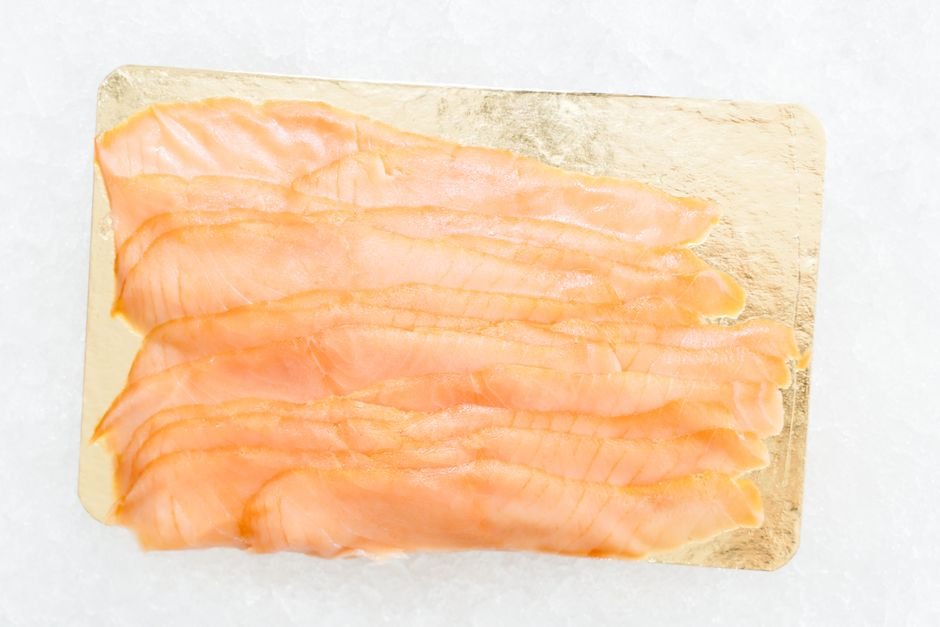
Calories in Smoked Salmon by Serving Size
Calories in smoked salmon for each common serving, with protein, carbs and fat:
| Serving | Calories | Protein | Carbs | Fat |
|---|---|---|---|---|
| 1 cup, cooked (136 g) | 159 | 25 g | 0 g | 5.9 g |
| 1 oz, boneless (28 g) | 33 | 5.2 g | 0 g | 1.2 g |
| 3 oz | 99 | 16 g | 0 g | 3.7 g |
| 1 cubic inch, boneless (17 g) | 20 | 3.1 g | 0 g | 0.7 g |
| 100 g | 117 | 18 g | 0 g | 4.3 g |
Smoked Salmon Nutrition Facts
Calories in smoked salmon and the full nutrition facts per 1 cup, cooked (136 g):
| Nutrient | Amount | % Daily Value* |
|---|---|---|
| Calories | 159 kcal | |
| Protein | 25 g | 50% |
| Total Fat | 5.9 g | 8% |
| Saturated Fat | 1.3 g | 6% |
| Cholesterol | 31 mg | 10% |
| Sodium | 914 mg | 40% |
| Total Carbohydrate | 0 g | 0% |
| Dietary Fiber | 0 g | 0% |
| Total Sugars | 0 g | |
| Vitamin D | 23 mcg | 116% |
| Calcium | 15 mg | 1% |
| Iron | 1.2 mg | 6% |
| Potassium | 238 mg | 5% |
| Magnesium | 24 mg | 6% |
| Zinc | 0.4 mg | 4% |
| Phosphorus | 223 mg | 18% |
| Selenium | 44 mcg | 80% |
| Vitamin A (RAE) | 35 mcg | 4% |
| Vitamin E | 1.8 mg | 12% |
| Vitamin K | 0.1 mcg | 0% |
| Thiamin (B1) | 0 mg | 3% |
| Riboflavin (B2) | 0.1 mg | 11% |
| Niacin (B3) | 6.4 mg | 40% |
| Vitamin B6 | 0.4 mg | 22% |
| Folate (DFE) | 2.7 mcg | 1% |
| Vitamin B12 | 4.4 mcg | 185% |
Where the calories come from: 65% protein · 35% fat · 0% carbs
*Percent Daily Values are based on a 2,000-calorie diet (FDA reference values). Source: USDA FoodData Central — Fish, salmon, chinook, smoked (FDC ID 173687, SR Legacy, published 4/1/2019). Values for other servings are calculated from the per-100 g data.
How Much Sodium Is in Smoked Salmon?
Sodium is the nutrient to watch most closely with smoked salmon. The USDA record shows 672 mg per 100 g, and one cup cooked (136 g) provides 914 mg, or 40% of the Daily Value. A single cup therefore accounts for a large share of the Daily Value for sodium before you add bagels, cream cheese, or capers.
The smaller servings in the data are more modest. Three ounces (85 g) has 99 calories and 16 g of protein, and a cubic inch (17 g) has 20 calories. If you are watching sodium, measure by weight and keep the portion small.
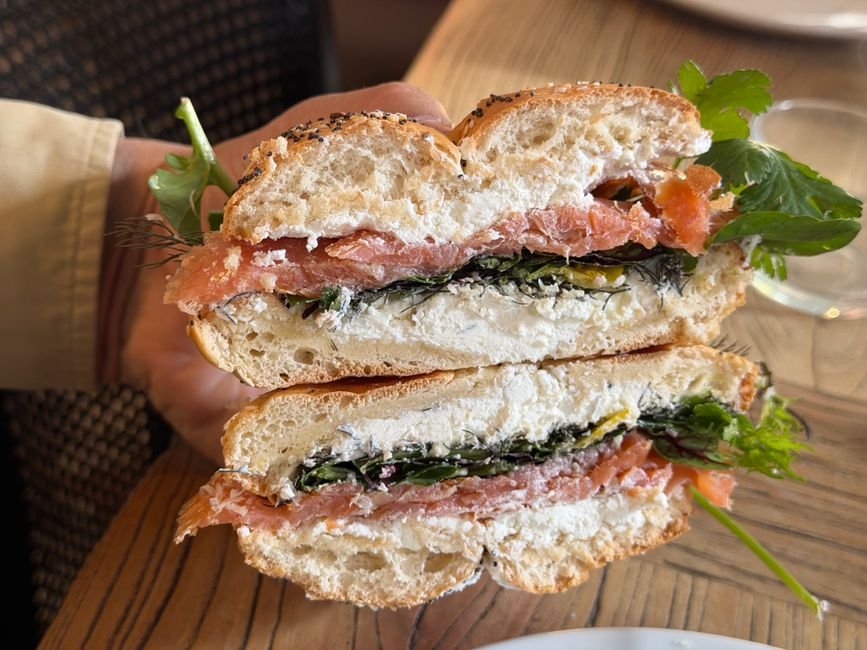
Protein, Vitamin B12 and Vitamin D in One Serving
Protein is the largest share of the calories. The data gives 65% of calories from protein, 35% from fat, and 0% from carbohydrate. The cooked cup provides 25 g of protein.
The record also shows high levels of vitamin B12 (4.4 mcg, 185% DV) and vitamin D (23 mcg, 116% DV) per cup. Selenium (44 mcg, 80% DV) and niacin (6.4 mg, 40% DV) are also notable. These values are for the USDA record as listed, so the actual amounts in a product you buy may vary.
Cooked Versus Smoked Salmon: Which Numbers Apply?
The lead serving in this data is labeled as cooked, while the 100 g and per-ounce values come from the same USDA record for smoked chinook salmon. Check the label on your package before you use these numbers, since the record may not match your specific product. Pay attention to the serving weight on the package and compare it with the weights listed here.
- 1 oz (28 g): 33 calories, 5.2 g protein, 1.2 g fat
- 3 oz (85 g): 99 calories, 16 g protein, 3.7 g fat
- 1 cubic inch (17 g): 20 calories, 3.1 g protein, 0.7 g fat
Smoked Salmon and Cholesterol
Saturated fat is 1.3 g per cup (6% DV). Those are the only heart-related fat figures in this data, and the page does not make claims beyond them.
How Smoked Salmon Compares
Per 100 g, next to similar foods in our database:
| Food (100 g) | Calories | Protein | Carbs | Fat |
|---|---|---|---|---|
| Smoked Salmon | 117 | 18 g | 0 g | 4.3 g |
| Haddock Smoked | 116 | 25 g | 0 g | 1 g |
| Halibut Steak | 113 | 22 g | 0 g | 2.7 g |
| Scallop Bay | 111 | 21 g | 5.4 g | 0.8 g |
| Tuna Yellowfin | 109 | 24 g | 0 g | 0.5 g |
| Clams Canned | 108 | 18 g | 4.5 g | 1.2 g |
Smoked Salmon FAQ
Does smoked salmon have any carbs or sugar?
No. The USDA record lists 0 g of total carbohydrate, 0 g of dietary fiber, and 0 g of total sugars for both the cooked cup and the 100 g serving.
How many calories are in 3 ounces of smoked salmon?
Three ounces (85 g) of this record has 99 calories, 16 g of protein, and 3.7 g of fat. The same record gives 117 calories per 100 g.
Is smoked salmon high in vitamin D?
The record lists 23 mcg of vitamin D per cooked cup, which is 116% of the Daily Value. Per 100 g it lists 17 mcg.
The Bottom Line
Smoked salmon is low in calories for its protein and has no carbohydrate, but it is high in sodium, so check the serving size and the sodium on your package. Weigh your portion when you can, because one cup of cooked smoked salmon has 914 mg of sodium.