Part of our guide: The Nutrient Gaps Most Americans Have (and the Everyday Foods That Fix Them)
Key takeaways
- To absorb more iron, know the two kinds of dietary iron: heme (meat, poultry, fish), which is absorbed well, and non-heme (plants, fortified foods), which is absorbed less well.
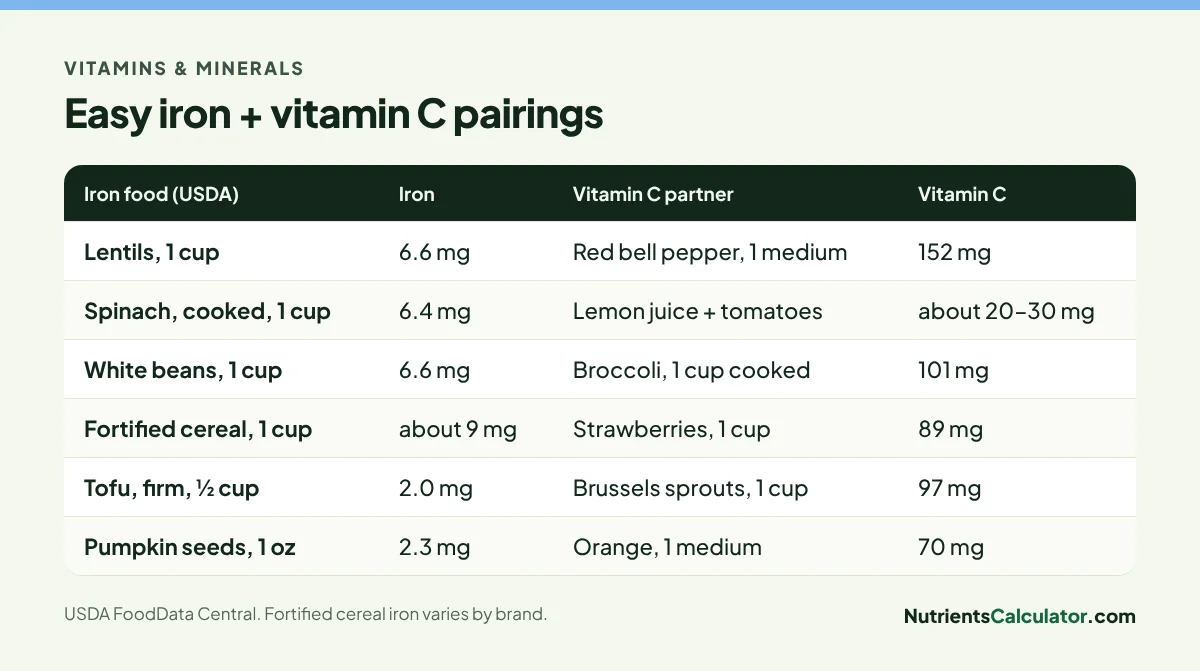
- Vitamin C in the same meal boosts non-heme iron absorption. Pair beans, lentils, spinach and fortified cereal with peppers, citrus, berries, tomatoes or broccoli.
- Tea, coffee and calcium reduce absorption. Have them between meals rather than with iron-rich meals.
- Women who menstruate, pregnant women and vegetarians are most likely to fall short. Only a blood test can confirm low iron.
Iron carries oxygen in your blood. Low iron can leave you tired, short of breath and less able to concentrate. It’s a common concern for women of reproductive age, pregnant women, young children, frequent blood donors and vegetarians. But how much iron you get depends not just on what you eat, but on what you eat it with. This is part of our series on common nutrient gaps.
How much iron you need
The RDA (NIH ODS):
- Women 19–50: 18 mg
- Men 19+, women 51+: 8 mg
- Pregnancy: 27 mg
- Vegetarians and vegans: about 1.8 times these amounts, because plant iron is less bioavailable
The Daily Value on food labels is 18 mg.
Etekcity Food Scale
0.1g accuracy — the perfect companion for exact portions.
Heme versus non-heme iron
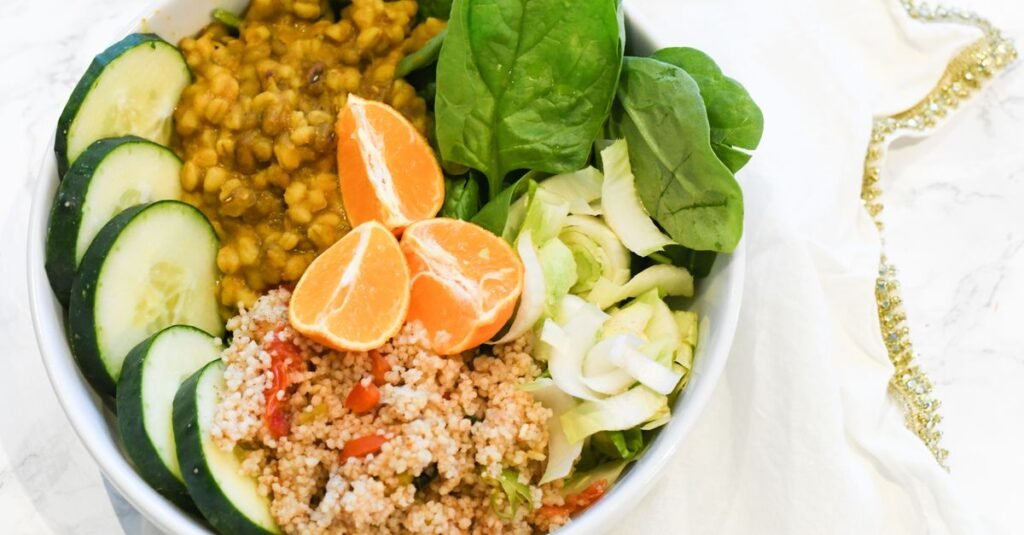
Heme iron comes from hemoglobin and myoglobin in animal foods: red meat, poultry, fish and shellfish. It’s absorbed relatively well and isn’t much affected by what else you eat.
Non-heme iron comes from plants (beans, lentils, leafy greens, seeds, whole grains) and from fortified foods like cereal and bread. It makes up most of the iron in a typical diet, but it’s absorbed less efficiently, and its absorption depends strongly on the rest of the meal.
Good sources per serving (USDA):
| Food | Serving | Iron |
|---|---|---|
| Oysters, cooked | 3 oz | 6.1 mg |
| Lentils, cooked | 1 cup | 6.6 mg |
| White beans, cooked | 1 cup | 6.6 mg |
| Spinach, cooked | 1 cup | 6.4 mg |
| Chickpeas, cooked | 1 cup | 4.7 mg |
| Kidney beans, cooked | 1 cup | 3.9 mg |
| Black beans, cooked | 1 cup | 3.6 mg |
| Edamame | 1 cup | 3.5 mg |
| Dark chocolate (70–85%) | 1 oz | 3.4 mg |
| Quinoa, cooked | 1 cup | 2.8 mg |
| Pumpkin seeds | 1 oz | 2.3 mg |
| Ground beef 85/15, cooked | 3 oz | 2.2 mg |
| Firm tofu | ½ cup | 2.0 mg |
| Chicken breast, cooked | 3 oz | 0.9 mg |
Absorb more iron with the vitamin C trick

Vitamin C (ascorbic acid) helps convert non-heme iron into a form that’s easier to absorb, and it counters some of the blockers in plant foods. Eating vitamin C–rich foods in the same meal as plant iron sources is the single most useful thing you can do.
Vitamin C sources (USDA):
- Red bell pepper, 1 medium: 152 mg
- Broccoli, cooked, 1 cup: 101 mg
- Brussels sprouts, cooked, 1 cup: 97 mg
- Strawberries, 1 cup: 89 mg
- Orange, 1 medium: 70 mg
- Kiwi, 1 medium: 64 mg
- Tomatoes, 1 medium: 17 mg
What blocks iron absorption
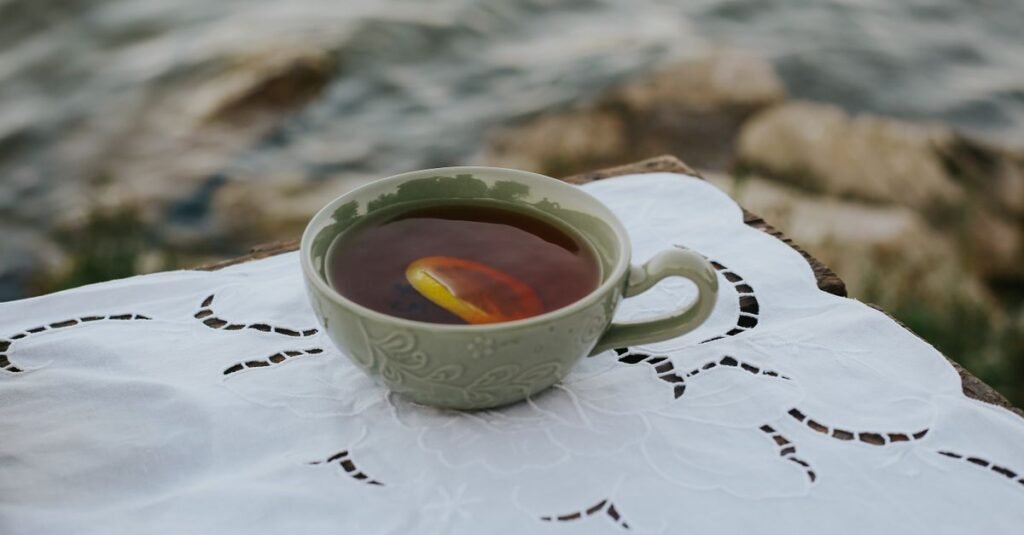
- Tea and coffee: polyphenols bind non-heme iron. Drink them an hour or so before or after iron-rich meals rather than with them.
- Calcium: large amounts of calcium (from dairy or supplements) at the same meal reduce absorption of both types of iron. If you take a calcium supplement, take it at a different time from iron-rich meals.
- Phytates: found in whole grains, beans and seeds. Soaking, sprouting and fermenting (for example, sourdough) reduce phytates, and vitamin C helps offset them.
None of these foods are “bad”. It’s just a matter of timing.
12 easy iron-boosting pairings
- Lentil soup with tomatoes and a squeeze of lemon
- Black bean tacos with salsa and red pepper strips
- Spinach salad with strawberries and pumpkin seeds
- Fortified cereal with strawberries or a glass of orange juice
- Chickpea curry with tomatoes and a side of broccoli
- White bean and kale soup finished with lemon juice
- Tofu stir-fry with bell peppers and broccoli
- Hummus with red pepper strips
- Beef and broccoli stir-fry (heme plus vitamin C)
- Edamame with an orange as a snack
- Oatmeal with kiwi and pumpkin seeds
- Quinoa bowl with roasted Brussels sprouts and chickpeas
Other ways to get more iron
- Cook in cast iron. Acidic foods like tomato sauce cooked in a cast-iron pan pick up some iron.
- Include a little meat or fish with plant iron foods, if you eat them. Meat, fish and poultry also enhance non-heme absorption.
- Choose fortified foods, like iron-fortified cereal and bread, especially if you’re vegetarian.
Signs you might be low, and what to do
Fatigue, pale skin, shortness of breath, headaches, brittle nails and cold hands can all be signs of iron deficiency, but they have many other causes too. If you notice them, see your doctor for a blood test rather than self-treating. Iron supplements can cause side effects, interact with medications and be dangerous in excess, especially for children.
Track the trend
A food log can show whether your iron intake is consistently low. If you log meals with a photo analyzer that estimates micronutrients, the weekly report card shows iron as a percentage of the Daily Value, alongside other common gaps. Treat it as a prompt to adjust meals and talk to your doctor, not as a diagnosis.
The bottom line
To absorb more iron, eat plant iron sources like beans, lentils, spinach, seeds and fortified cereal with a vitamin C food in the same meal, and keep tea, coffee and calcium supplements for between meals. Include some heme iron if you eat meat or fish, and check with your doctor before taking an iron supplement.
Frequently asked questions
Does vitamin C really help iron absorption?
Yes. Vitamin C enhances the absorption of non-heme iron, the type found in plants and fortified foods, when eaten in the same meal.
What blocks iron absorption?
Calcium, polyphenols in tea and coffee, and phytates in whole grains and legumes can all reduce non-heme iron absorption. Having tea or coffee between meals rather than with them helps.
How much iron do I need a day?
The RDA is 18 mg for women aged 19–50, 8 mg for men and for women over 50, and 27 mg during pregnancy. The Daily Value on food labels is 18 mg. Vegetarians may need about 1.8 times more because plant iron is less well absorbed.
Should I take an iron supplement?
Only if your doctor recommends it after a blood test. Too much iron can be harmful, and supplements can cause stomach upset. Keep iron supplements away from children; accidental overdose is dangerous.
Sources
- NIH Office of Dietary Supplements: Iron fact sheet for health professionals
- NIH Office of Dietary Supplements: Vitamin C fact sheet
- USDA FoodData Central
This article is for general information and isn’t medical advice. Talk to your doctor or a registered dietitian about your own needs, especially if you have a health condition, are pregnant or take medication.