Calories in swiss chard: 7 calories per 1 cup (36 g)
- 0.6 g protein
- 1.3 g carbs
- 0.1 g fat
- 0.6 g fiber
Source: USDA FoodData Central · 19 kcal per 100 g
One cup of raw Swiss chard (36 g) has 7 calories in it, with 0.6 g of protein, 1.3 g of carbohydrate and 0.1 g of fat. Per 100 g, raw Swiss chard comes to 19 calories, so the lead cup is a light serving by weight.
What stands out is the vitamin K. A single cup provides 299 mcg, which is 249% of the Daily Value, and 100 g of raw chard has 830 mcg. The same cup also supplies 110 mcg of vitamin A (RAE) and 11 mg of vitamin C, along with 136 mg of potassium and 77 mg of sodium.
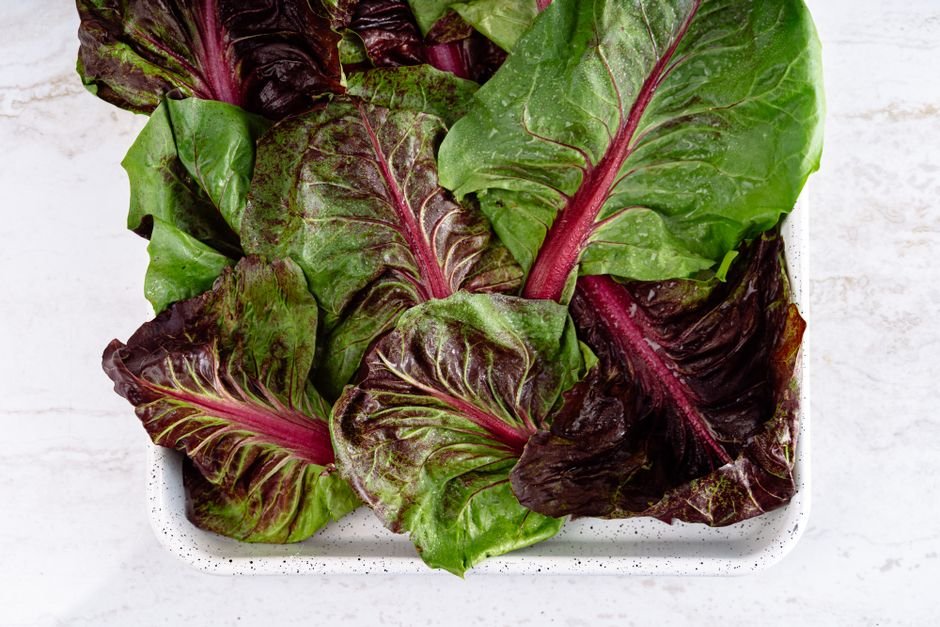
Calories in Swiss Chard by Serving Size
Calories in swiss chard for each common serving, with protein, carbs and fat:
| Serving | Calories | Protein | Carbs | Fat |
|---|---|---|---|---|
| 1 cup (36 g) | 7 | 0.6 g | 1.3 g | 0.1 g |
| 1 leaf (48 g) | 9 | 0.9 g | 1.8 g | 0.1 g |
| 100 g | 19 | 1.8 g | 3.7 g | 0.2 g |
| 1 oz | 5 | 0.5 g | 1.1 g | 0.1 g |
Swiss Chard Nutrition Facts
Calories in swiss chard and the full nutrition facts per 1 cup (36 g):
| Nutrient | Amount | % Daily Value* |
|---|---|---|
| Calories | 7 kcal | |
| Protein | 0.6 g | 1% |
| Total Fat | 0.1 g | 0% |
| Saturated Fat | 0 g | 0% |
| Cholesterol | 0 mg | 0% |
| Sodium | 77 mg | 3% |
| Total Carbohydrate | 1.3 g | 0% |
| Dietary Fiber | 0.6 g | 2% |
| Total Sugars | 0.4 g | |
| Calcium | 18 mg | 1% |
| Iron | 0.6 mg | 4% |
| Potassium | 136 mg | 3% |
| Magnesium | 29 mg | 7% |
| Zinc | 0.1 mg | 1% |
| Phosphorus | 17 mg | 1% |
| Selenium | 0.3 mcg | 1% |
| Vitamin A (RAE) | 110 mcg | 12% |
| Vitamin C | 11 mg | 12% |
| Vitamin E | 0.7 mg | 5% |
| Vitamin K | 299 mcg | 249% |
| Thiamin (B1) | 0 mg | 1% |
| Riboflavin (B2) | 0 mg | 2% |
| Niacin (B3) | 0.1 mg | 1% |
| Vitamin B6 | 0 mg | 2% |
| Folate (DFE) | 5 mcg | 1% |
Where the calories come from: 62% carbs · 30% protein · 8% fat
*Percent Daily Values are based on a 2,000-calorie diet (FDA reference values). Source: USDA FoodData Central — Chard, swiss, raw (FDC ID 169991, SR Legacy, published 4/1/2019). Values for other servings are calculated from the per-100 g data.
Does Swiss Chard Have Much Sodium?
For a leafy green, Swiss chard has a fair amount of sodium. Raw chard contains 213 mg per 100 g, and one cup (36 g) has 77 mg, which is 3% of the Daily Value. That is small next to a single salted side dish, but it is worth knowing if you track sodium closely.
Potassium runs the other way. The same 100 g has 379 mg of potassium, and a cup has 136 mg. The ratio of potassium to sodium in chard is more favorable than in most processed foods, which is one reason it fits well in a lower-sodium eating pattern.

Raw vs Cooked Swiss Chard: What These Numbers Cover
All of the figures on this page are for raw chard as sold. Cooking changes weight, water content and nutrient levels, so the calories and vitamins in a cooked serving will not match the numbers here. A cup of raw chard weighs far less than a cup of cooked chard, because the leaves wilt and release water.
If you cook chard, weigh it raw when you log it. A 100 g portion of raw leaves is the most reliable basis for comparing with this page, since the USDA record used here is for the raw form.
Is Swiss Chard Low in Calories?
Yes. At 19 calories per 100 g, Swiss chard is among the lowest-calorie foods you can eat in a meal, and 93 g of its weight is water. Carbohydrate is 3.7 g per 100 g, with 1.6 g of fiber and 1.1 g of total sugars.
- Lead serving (1 cup, 36 g): 7 calories
- 1 oz (28 g): 5 calories
- 100 g: 19 calories
Calories come mostly from carbohydrate (62%) and protein (30%), with only 8% from fat.
Who Should Pay Attention to Swiss Chard's Vitamin K?
Swiss chard is very high in vitamin K, at 830 mcg per 100 g. Vitamin K is involved in blood clotting, and it is a known factor for people taking warfarin, a blood thinner whose dose depends on steady vitamin K intake. If you take warfarin or another medicine that interacts with vitamin K, keep your chard intake consistent from week to week and ask your prescriber or pharmacist what level of change is acceptable.
For most people without that concern, a high vitamin K intake is not a problem on its own. The point is consistency, not avoidance.
How Swiss Chard Compares
Per 100 g, next to similar foods in our database:
| Food (100 g) | Calories | Protein | Carbs | Fat |
|---|---|---|---|---|
| Swiss Chard | 19 | 1.8 g | 3.7 g | 0.2 g |
| Asparagus | 20 | 2.2 g | 3.9 g | 0.1 g |
| Sweet Pepper | 26 | 1 g | 6 g | 0.3 g |
| Cauliflower Rice | 26 | 2 g | 5.2 g | 0.3 g |
| Pumpkin Puree | 26 | 1 g | 6.5 g | 0.1 g |
| Turnip Greens | 32 | 1.5 g | 7.1 g | 0.3 g |
Swiss Chard FAQ
How many calories are in a leaf of Swiss chard?
One leaf (48 g) has 9 calories, with 0.9 g of protein and 1.8 g of carbohydrate. Leaf size varies, so weighing the leaves is more accurate than counting them.
How much vitamin C is in Swiss chard?
One cup (36 g) of raw Swiss chard has 11 mg of vitamin C, which is 12% of the Daily Value. Per 100 g, raw chard has 30 mg.
Is Swiss chard high in fiber?
Per 100 g, raw Swiss chard has 1.6 g of dietary fiber. One cup (36 g) has 0.6 g, which is 2% of the Daily Value.
The Bottom Line
Raw Swiss chard is very low in calories, with 7 per cup, and it is an exceptionally rich source of vitamin K. If you take a vitamin K-sensitive medicine, keep your intake steady and check with your care team.