Calories in teff: 708 calories per 1 cup (193 g)
- 26 g protein
- 141 g carbs
- 4.6 g fat
- 15 g fiber
Source: USDA FoodData Central · 367 kcal per 100 g
One cup of uncooked teff contains 708 calories and 26 g of protein, making it a calorie-dense grain with a notably high protein content for its type. What makes teff stand out is its mineral density: a single cup delivers 82% of your daily iron, 85% of your magnesium, and 64% of your zinc—nutrients that most grains supply in much smaller amounts.
These properties make it distinct among staple grains and worth knowing about if you eat it regularly or are considering it as part of your diet.
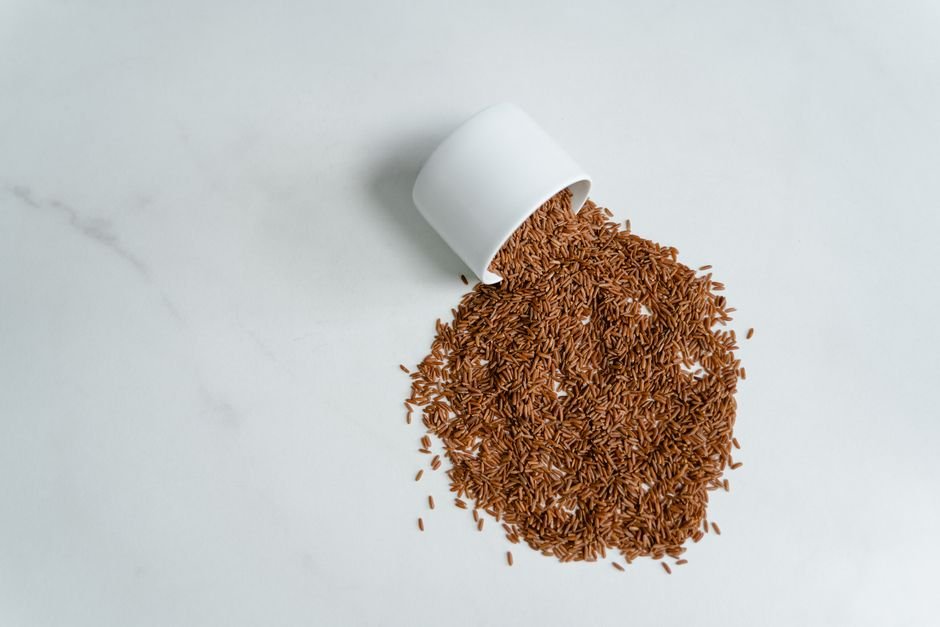
Calories in Teff by Serving Size
Calories in teff for each common serving, with protein, carbs and fat:
| Serving | Calories | Protein | Carbs | Fat |
|---|---|---|---|---|
| 1 cup (193 g) | 708 | 26 g | 141 g | 4.6 g |
| 100 g | 367 | 13 g | 73 g | 2.4 g |
| 1 oz | 104 | 3.8 g | 21 g | 0.7 g |
Teff Nutrition Facts
Calories in teff and the full nutrition facts per 1 cup (193 g):
| Nutrient | Amount | % Daily Value* |
|---|---|---|
| Calories | 708 kcal | |
| Protein | 26 g | 51% |
| Total Fat | 4.6 g | 6% |
| Saturated Fat | 0.9 g | 4% |
| Sodium | 23 mg | 1% |
| Total Carbohydrate | 141 g | 51% |
| Dietary Fiber | 15 g | 55% |
| Total Sugars | 3.6 g | |
| Calcium | 347 mg | 27% |
| Iron | 15 mg | 82% |
| Potassium | 824 mg | 18% |
| Magnesium | 355 mg | 85% |
| Zinc | 7 mg | 64% |
| Phosphorus | 828 mg | 66% |
| Selenium | 8.5 mcg | 15% |
| Vitamin E | 0.2 mg | 1% |
| Vitamin K | 3.7 mcg | 3% |
| Thiamin (B1) | 0.8 mg | 63% |
| Riboflavin (B2) | 0.5 mg | 40% |
| Niacin (B3) | 6.5 mg | 41% |
| Vitamin B6 | 0.9 mg | 55% |
Where the calories come from: 80% carbs · 14% protein · 6% fat
*Percent Daily Values are based on a 2,000-calorie diet (FDA reference values). Source: USDA FoodData Central — Teff, uncooked (FDC ID 169747, SR Legacy, published 4/1/2019). Values for other servings are calculated from the per-100 g data.
Why Teff Is So Rich in Iron and Magnesium
Teff’s mineral profile is unusually dense for a grain. Per 100 g, it supplies 7.6 mg of iron and 184 mg of magnesium—figures that far exceed those of wheat, rice, or oats. This concentration persists at any serving size: a 1 oz portion (28 g) provides 2.7 mg of iron alone, which is more than most grains offer in larger amounts.
The high magnesium content is particularly notable. At 184 mg per 100 g, teff delivers more magnesium by weight than many nuts and seeds. Combined with its fiber and mineral co-factors like phosphorus and potassium, this makes teff nutritionally distinctive as a grain staple, especially for people who prioritize mineral intake.
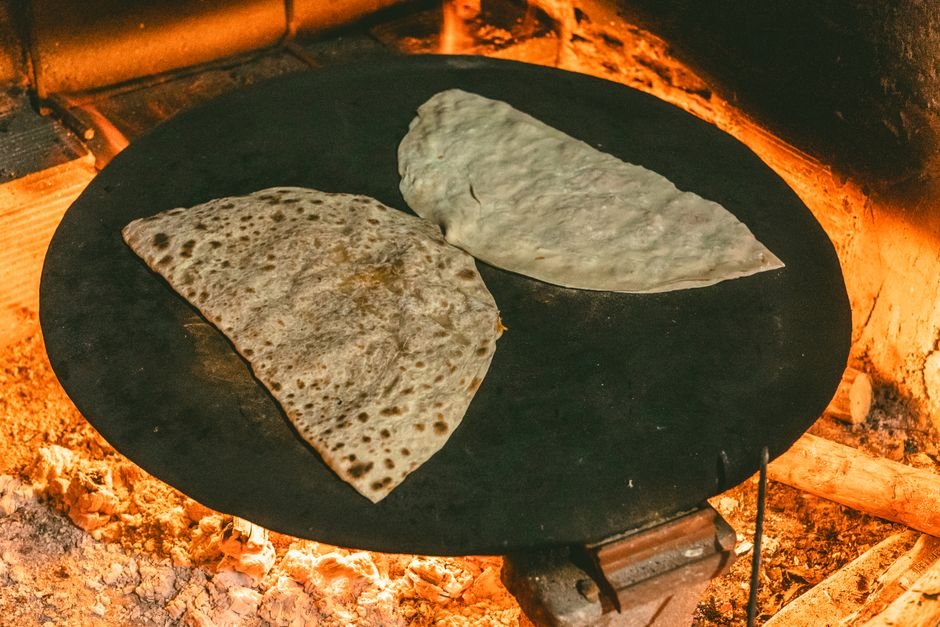
Teff Uncooked Vs. How You Actually Eat It
The numbers here are for uncooked, dry teff as it comes packaged. Once you cook it—typically by simmering in water or broth to make porridge or injera, the Ethiopian flatbread—the grain absorbs liquid and the cooked portion will weigh more and have fewer calories per tablespoon or cup. However, the total nutrients from a given amount of dry teff remain in the cooked dish; only water is added.
If you measure teff by dry weight before cooking, you can use these numbers directly. If you’re serving or buying cooked teff, the calorie and nutrient density per serving will be lower because of the water content, but the amount of protein, fiber, and minerals from the original dry grain is unchanged.
Protein and Fiber: How They Work Together in Teff
At 13 g of protein per 100 g, teff is a comparatively protein-rich grain; one cup supplies 26 g.
The bulk of teff’s calories (80%) come from carbohydrates, but because so much of the carbohydrate is fiber (about 11% of the total carb content), the net digestible carbohydrate is lower than the raw carb number suggests.
Sodium and Micronutrient Standouts
Teff is remarkably low in sodium—just 12 mg per 100 g—which is a genuine advantage if you’re watching salt intake. One cup contains only 23 mg of sodium, making it one of the lowest-sodium grains available.
Beyond iron and magnesium, teff also supplies significant amounts of zinc (3.6 mg per 100 g, or 7 mg per cup—64% of daily value), phosphorus, and B vitamins, especially thiamin (0.4 mg per 100 g). It contains no vitamin A and minimal vitamin E, so it is not a source for those nutrients.
How Teff Compares
Per 100 g, next to similar foods in our database:
| Food (100 g) | Calories | Protein | Carbs | Fat |
|---|---|---|---|---|
| Teff | 367 | 13 g | 73 g | 2.4 g |
| Rice Flour White | 366 | 6 g | 80 g | 1.4 g |
| Rye Crispbread | 366 | 7.9 g | 82 g | 1.3 g |
| Oat Bran Dry | 364 | 17 g | 63 g | 8 g |
| Rolled Oats Dry | 371 | 14 g | 68 g | 6.9 g |
| Cheerios | 372 | 12 g | 73 g | 6.6 g |
Teff FAQ
Is teff higher in calories than other grains?
At 367 calories per 100 g, teff is in line with wheat, barley, and other grains when raw. The main difference is its nutrient density: it packs far more iron, magnesium, and zinc into the same weight, not necessarily more calories.
Does teff contain gluten?
The USDA data provided does not report gluten content. Teff is widely marketed as gluten-free, but if you have celiac disease or gluten sensitivity, verify the specific product and processing for potential cross-contamination.
How much cooked teff should I measure to get a certain amount of protein?
Uncooked teff yields roughly 3 times its dry weight in cooked porridge or grain. So 100 g of dry teff (13 g protein) becomes approximately 300 g cooked. If a recipe calls for a cooked serving and you know the dry amount used, multiply the raw weight by 3 to approximate the cooked weight.
Can teff help with iron deficiency?
Teff is a genuine source of iron—7.6 mg per 100 g is substantial—but iron from grains is less readily absorbed than iron from meat. If you have iron deficiency anemia, teff can be part of your diet, but consult your doctor about whether it alone is sufficient for your needs.
The Bottom Line
Teff's real strength is nutrient density: one cup uncooked delivers exceptional amounts of iron, magnesium, and zinc alongside 26 g of protein and 15 g of fiber, all with minimal sodium. It's a practical choice if you're looking for a mineral-rich grain alternative.