
Tilapia is one of the most consumed farmed fish worldwide, prized for its mild flavor, affordability, and ease of preparation. It’s a staple in many cuisines—from Asian stir-fries to Mediterranean bakes—and popular among people building muscle, managing weight, or recovering from illness due to its high protein content and low calorie density.
If you’re tracking nutrition or planning meals around this versatile fish, understanding its calorie content and macronutrient profile is essential. This guide answers the core question: How many calories are in tilapia? We’ll cover everything from portion sizes to preparation methods.
Calories in Tilapia (Quick Answer)
A 100g raw fillet contains approximately 96 calories, but this varies based on preparation method and cooking technique.
- Raw tilapia fillet (100g): 96 calories
- Cooked tilapia fillet, pan-fried with 1 tbsp oil (100g): 180 calories
- Baked tilapia fillet, no added fat (100g): 110 calories
Calorie counts vary depending on the cooking method, added oils or butter, seasoning, and whether skin is left on.
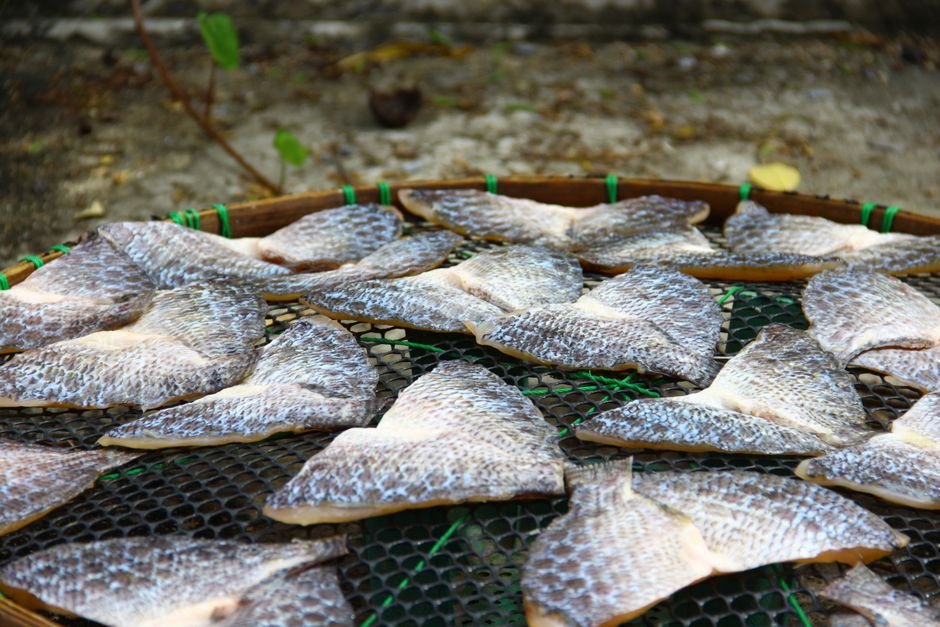
Full Nutrition Facts for 100g of Raw Tilapia Fillet
Here’s the complete nutrient breakdown for a standard 100g serving of raw tilapia fillet, based on USDA FoodData Central data:
| Nutrient | Amount | % Daily Value |
|---|---|---|
| Calories | 96 kcal | — |
| Total Fat | 2.0 g | 3% |
| Saturated Fat | 0.6 g | 3% |
| Cholesterol | 50 mg | 17% |
| Sodium | 50 mg | 2% |
| Total Carbohydrate | 0 g | 0% |
| Dietary Fiber | 0 g | 0% |
| Total Sugars | 0 g | 0% |
| Protein | 20 g | 40% |
| Selenium | 36.5 mcg | 66% |
| Phosphorus | 184 mg | 15% |
| Potassium | 302 mg | 9% |
*Percent Daily Values are based on a 2,000-calorie diet. Source: USDA FoodData Central.
Key insight: Tilapia is exceptionally lean, with only 2g of fat per 100g and a protein-to-calorie ratio of roughly 1:5. This makes it an excellent choice for muscle-building diets and calorie restriction. One 100g fillet alone delivers 40% of your daily protein requirement with minimal calories and fat.

Etekcity Food Scale
0.1g accuracy — the perfect companion for exact portions.
Raw vs. Cooked Tilapia: How Cooking Changes Calories
Raw Tilapia Fillet
- 96 calories per 100g
- 2g total fat, minimal saturated fat
- Edible weight increases slightly if skin is left on
Cooked Tilapia Fillet (Baked, No Added Oil)
- 110 calories per 100g due to moisture loss concentrating nutrients
- Protein content rises to approximately 24g per 100g
- Fat remains low unless oil is added during cooking
Practical takeaway: Baking, steaming, or grilling tilapia preserves its low-calorie profile, while pan-frying with oil can add 70–100 extra calories per serving. If you’re watching calories, choose dry-heat cooking methods and measure any added fats carefully.
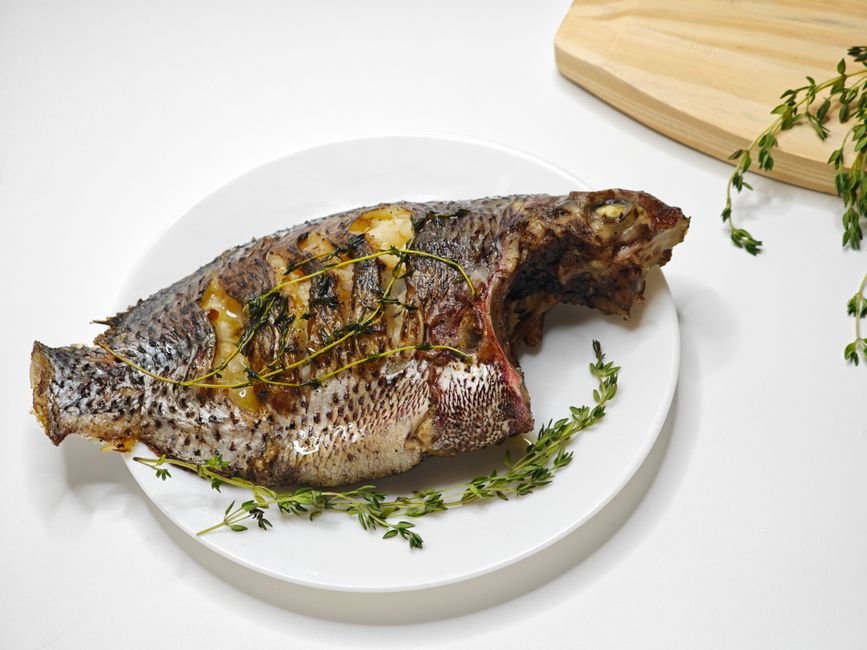
Is Tilapia Good for Weight Loss?
Yes. Tilapia is an excellent weight-loss food because it’s calorie-light, protein-rich, and satiating. A single 150g cooked fillet delivers roughly 165 calories and 36g of protein, making it easy to hit protein targets while staying in a calorie deficit. Its low fat and zero carbohydrate content also means minimal metabolic interference.
Tips to Eat Tilapia Without Gaining Weight:
- Choose baking or steaming: These methods add zero calories, unlike frying, which can triple calorie content.
- Measure added oils and butter: A tablespoon of oil adds ~120 calories; use cooking spray or reserve oil for seasoning fish before cooking.
- Pair with fiber-rich sides: Combine tilapia with leafy greens, roasted broccoli, or brown rice to maximize satiety without excess calories.
- Watch portion size: One 150–200g fillet per meal is adequate for protein; larger portions aren’t necessary and may exceed calorie targets.
When prepared mindfully, tilapia fits seamlessly into any balanced, calorie-controlled diet without compromising flavor or nutrition.
How Portion Size Affects Calories
Tilapia’s calorie density is so low that small increases in portion size have a noticeable but manageable impact. A single fillet (typically 120–180g) ranges from 115 to 180 calories depending on size, while a larger restaurant-style portion (250g+) can exceed 240 calories. Being aware of portion boundaries helps prevent unintended overconsumption.
Example:
- Small fillet (120g, raw): 115 calories
- Large fillet (200g, raw): 192 calories
Most home recipes and nutritional guidelines reference a 100–150g fillet as a standard serving, which provides ample protein without excess calories.
Best Way to Measure Tilapia Accurately
Since tilapia fillets vary in thickness and weight, relying on visual estimation often leads to underestimating calories. A kitchen scale is the most accurate way to track your intake and ensure consistent nutrition logging. Raw weight is preferred for tracking because cooked weight fluctuates based on water loss during cooking.
Options:
- Digital kitchen scale: Weigh the fillet on a plate, set to zero, and record the weight in grams. This is the gold standard for accuracy.
- USDA serving reference: A medium tilapia fillet is approximately 85–113g (3–4 oz); use this as a visual benchmark if a scale isn’t available.
- Package labeling: Frozen tilapia packages often list serving size and weight; verify before thawing to cross-check portion sizes.
Calculate Your Exact Calorie Intake
If you’re combining tilapia with other foods in a meal, calculating total calorie intake manually can be time-consuming and prone to error. Knowing your protein, fat, and micronutrient totals across multiple foods requires careful tracking.
Our free AI-powered nutrients calculator simplifies this process. Enter your meal—tilapia plus sides and seasonings—and get instant, accurate calorie and nutrient breakdowns. Use the calculator here to track your daily intake effortlessly.
- Input multiple foods and see combined macro totals instantly
- Compare different cooking methods to find your lowest-calorie options
- Log meals consistently without manual math or guesswork
Common Mistakes When Eating Tilapia
Even a nutritious food like tilapia can undermine health goals when prepared or consumed carelessly. Here are four frequent errors to avoid:
❌ Frying tilapia in excessive oil. Pan-frying without measuring added fat can add 60–120 calories per serving. A 100g fillet fried in just 1 tablespoon of oil jumps from 96 to ~180 calories—nearly double.
❌ Eating restaurant portions without checking. Many restaurants serve 200–300g of tilapia per entrée, often with butter, oil, or cream sauces. This single dish can contain 400–600 calories before sides.
❌ Forgetting to account for breading or batter. Breaded or battered tilapia contains 200–280 calories per 100g due to flour, egg, and frying oil coating—nearly three times the raw fillet calorie content.
❌ Assuming all preparation methods are equally low-calorie. While baked or steamed tilapia is diet-friendly, versions topped with cheese, cream sauces, or mayo can exceed 300 calories per serving.
Stick to simple, dry-heat cooking methods and measure any additions to keep tilapia as the lean protein it’s meant to be.
FAQ
How many calories are in 100g of tilapia?
Raw tilapia contains 96 calories per 100g. Baked tilapia without added fat contains approximately 110 calories per 100g due to water loss during cooking.
Is tilapia fattening?
No. Tilapia is one of the leanest fish available, with only 2g of fat per 100g. It supports weight loss when prepared without excessive oil and paired with whole foods. The issue is cooking method, not the fish itself.
How much protein does tilapia have?
A 100g raw tilapia fillet contains 20g of protein. When cooked, the protein concentration increases to approximately 24g per 100g due to water loss, making it an excellent protein source for muscle building and satiety.
Is tilapia safe to eat every day?
Yes, tilapia is safe to eat daily. It’s low in mercury compared to predatory fish like shark or swordfish. However, varying your fish intake with other sources like salmon or mackerel provides additional omega-3 fatty acids that tilapia lacks in significant amounts.
Conclusion
Tilapia is a nutrient-dense, low-calorie protein source that fits effortlessly into weight-loss diets, muscle-building routines, and everyday balanced meals. At just 96 calories and 20g of protein per 100g raw fillet, it delivers exceptional nutritional value with minimal dietary trade-offs. Its versatility—baked, steamed, grilled, or pan-seared—makes it accessible and appealing across cuisines and skill levels.
To make the most of tilapia’s benefits, prioritize dry-heat cooking methods, measure any added fats, and pair it with fiber-rich vegetables and whole grains. For complete meal tracking that goes beyond tilapia alone, use a reliable nutrients calculator to log your full daily intake and ensure you’re meeting your health goals with precision and confidence.
