
Whole milk is a staple protein source in many Western diets, from morning cereals to coffee breaks and post-workout shakes. Whether you’re building muscle, maintaining general health, or managing your weight, understanding the calorie content and nutritional profile of whole milk is essential. Many people automatically choose skim or low-fat alternatives without realizing whole milk’s saturated fat content can be a trade-off worth evaluating based on individual health goals.
How many calories are in whole milk? This simple question deserves a complete answer. The calorie count varies by serving size, and whole milk differs significantly from reduced-fat and skim versions. This article breaks down the exact nutrition facts, comparison options, and practical guidance for fitting whole milk into a balanced diet.
Calories in Whole Milk (Quick Answer)
One 8-ounce (240 ml) cup of whole milk typically contains around 150 calories, along with 8 grams of protein and 12 grams of carbohydrates.
- 8 oz (240 ml) cup: 150 calories
- 1 liter (33.8 oz): 630 calories
- 100 ml: 63 calories
Exact calorie values can vary slightly by brand, butterfat content (typically 3.25–3.5% in whole milk), and whether the milk is fortified or not.
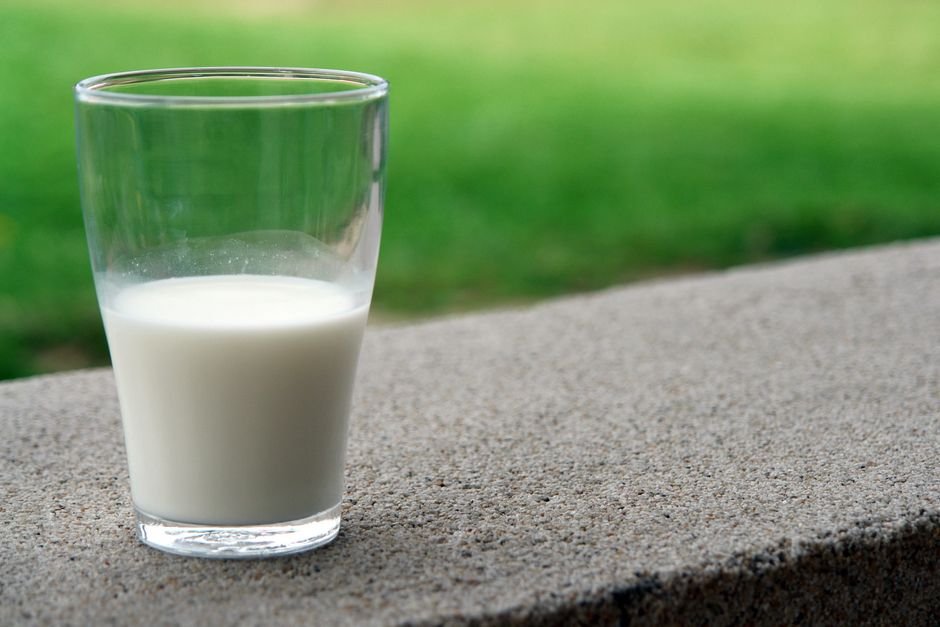
Full Nutrition Facts for 8 oz (240 ml) of Whole Milk
The following table shows the complete nutritional breakdown for a standard 8-ounce serving of whole milk, as sourced from USDA FoodData Central.
| Nutrient | Amount | % Daily Value |
|---|---|---|
| Calories | 150 | — |
| Total Fat | 8 g | 10% |
| Saturated Fat | 5 g | 25% |
| Cholesterol | 24 mg | 8% |
| Sodium | 98 mg | 4% |
| Total Carbohydrate | 12 g | 4% |
| Dietary Fiber | 0 g | 0% |
| Total Sugars | 12 g | — |
| Protein | 8 g | 16% |
| Calcium | 276 mg | 21% |
| Vitamin D | 2.5 mcg | 12% |
| Potassium | 322 mg | 7% |
*Percent Daily Values are based on a 2,000-calorie diet. Source: USDA FoodData Central.
Key insight: Whole milk’s calorie content is dominated by fat—about 72 of the 150 calories come from fat—while delivering substantial protein and calcium. The 5 grams of saturated fat per serving is noteworthy; people with heart disease or cholesterol concerns should monitor intake and consider lower-fat alternatives. Conversely, the full-fat content aids absorption of fat-soluble vitamins like vitamin D, and research increasingly shows that moderate whole milk consumption does not necessarily increase cardiovascular risk as once believed.

Etekcity Food Scale
0.1g accuracy — the perfect companion for exact portions.
Whole Milk vs. Skim Milk: Which Has Fewer Calories?
Whole Milk (3.25% Butterfat)
- 150 calories per 8 oz cup
- 8 grams total fat
- Richer taste; better for cooking and baking
Skim Milk (0% Butterfat)
- 83 calories per 8 oz cup
- 0.1 grams total fat
- Thinner mouthfeel; similar protein and carbs to whole milk
Practical takeaway: Skim milk saves approximately 67 calories and 8 grams of fat per 8-ounce serving compared to whole milk. However, whole milk contains fat-soluble vitamins more effectively and may promote greater satiety, which can help reduce overall calorie intake elsewhere. The “best” choice depends on your dietary goals: skim for strict calorie counting, whole for nutrient absorption and satisfaction.
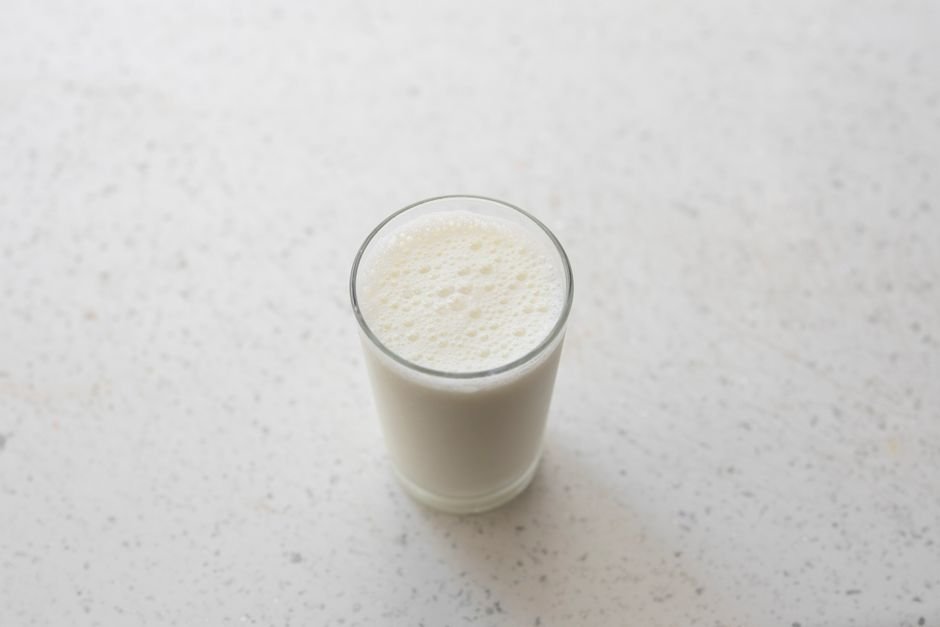
Is Whole Milk Good for Weight Loss?
Whole milk can fit into a weight-loss plan, but it requires portion awareness. A single 8-ounce serving adds 150 calories, and many people consume whole milk in larger quantities or multiple servings daily (cereal, lattes, protein shakes). The high-quality protein (8 grams per serving) supports satiety and muscle preservation during weight loss, which is valuable. However, the saturated fat content and natural sugars mean whole milk is not a “free” food and should be measured carefully.
Tips to Eat Whole Milk Without Gaining Weight:
- Measure servings in standard cups (8 oz) rather than pouring freely into bowls or drinks
- Use whole milk in smaller portions in coffee or cooking, and switch to skim or unsweetened plant-based options for larger volume needs
- Pair milk with protein-rich meals or snacks to maximize satiety and prevent hunger spikes from the 12 grams of natural sugar
- Track all milk consumption, including hidden sources in yogurt, cheese, and baked goods, toward your daily calorie target
When consumed mindfully—about 1 to 2 servings daily within your calorie budget—whole milk can support weight loss through its protein and calcium content without derailing your progress.
How Portion Size Affects Calories
Whole milk’s calorie density is straightforward: approximately 63 calories per 100 ml, or 150 calories per standard 8-ounce cup. Most nutrition labels and dietary guidelines refer to the 8-ounce serving, but many home servings are larger or smaller. A single pour into a cereal bowl can easily exceed 8 ounces, doubling the calorie intake. Conversely, a splash in coffee or tea might be only 1–2 ounces (10–15 calories).
Example:
- Small portion (4 oz in coffee): 75 calories
- Large portion (12 oz bowl with cereal): 225 calories
Using a measuring cup or kitchen scale for the first week helps you develop an intuitive sense of portion sizes, preventing unintentional calorie excess.
Best Way to Measure Whole Milk Accurately
Accurate measurement is critical because whole milk’s calories add up quickly when portions are estimated visually. Most kitchens have the tools needed for precision, and establishing a habit takes just a few servings to internalize typical portion sizes.
Options:
- Measuring cup (8 oz / 240 ml glass or plastic): Most accurate for home use; fill to the line for consistency
- Kitchen scale (weighing milk in grams): Best for baking and precise tracking; whole milk weighs approximately 1.03 grams per milliliter
- Nutrition label on the carton: Check the serving size definition (usually 240 ml or 8 fl oz) and count servings poured
Calculate Your Exact Calorie Intake
Tracking whole milk and other foods manually can be tedious, especially if you consume milk in multiple forms throughout the day (plain, in coffee, in smoothies, in cooking). How can you know your true daily calorie intake without a reliable calculator?
Our site offers a free AI-powered nutrients calculator that instantly breaks down the calories, protein, carbs, fat, and micronutrients in whole milk and thousands of other foods. Simply enter the amount and serving size, and get a complete nutritional profile. Try the calculator here.
- Track multiple servings and meal combinations in seconds
- Get personalized macronutrient breakdowns for your diet plan
- Compare whole milk to skim, 2%, and plant-based alternatives side-by-side
Common Mistakes When Eating Whole Milk
Even health-conscious people often make errors when incorporating whole milk into their diet. Here are four common pitfalls to avoid:
❌ Underestimating portion size by pouring “by eye” instead of measuring. A casual cereal bowl can hold 12–16 ounces, not the standard 8-ounce serving, adding 150+ hidden calories before breakfast even begins.
❌ Assuming whole milk has no sugar. Each 8-ounce serving contains 12 grams of natural lactose sugar, which counts toward daily carbohydrate and sugar intake even though it’s not added sugar.
❌ Forgetting to account for milk in processed foods and drinks. Lattes, yogurt, cheese, and baked goods contribute whole milk or cream calories that are easy to overlook when tracking.
❌ Dismissing whole milk as “too fatty” and switching to skim without considering that the fat-soluble vitamin absorption and satiety benefits may actually support better overall nutrition and weight management.
Being aware of these errors helps you make intentional choices about how much whole milk truly fits your dietary needs.
FAQ
How many calories are in 100g of whole milk?
Approximately 63 calories per 100g. Since whole milk has a density close to water (1.03 g/ml), 100 ml also contains roughly 63 calories.
Is whole milk fattening?
Whole milk is not inherently fattening, but its high saturated fat content (5g per 8 oz) and 150 calories per serving can contribute to weight gain if consumed in large quantities without accounting for total calorie intake. Measured consumption as part of a balanced diet does not automatically lead to fat gain.
Does whole milk have more vitamin D than skim milk?
Most whole and skim milks in the U.S. are fortified with vitamin D to similar levels (about 2.5 mcg per 8 oz). The primary difference is that whole milk’s fat content aids the absorption of this fat-soluble vitamin, making it potentially more bioavailable.
Can I drink whole milk if I have high cholesterol?
Whole milk contains 24 mg cholesterol and 5g saturated fat per 8-ounce serving. People with high cholesterol should consult their doctor, but research suggests moderate whole milk intake does not significantly raise blood cholesterol in everyone. Lower-fat alternatives or limited portions may be recommended on a case-by-case basis.
Conclusion
Whole milk delivers 150 calories per 8-ounce serving, along with 8 grams of protein, 12 grams of carbohydrates, and important micronutrients like calcium and vitamin D. Its saturated fat content (5g per serving) is a legitimate consideration for people managing heart disease or cholesterol, but the fat also enhances nutrient absorption and satiety. For most people, whole milk can be part of a healthy diet when portions are measured and total daily calorie intake is tracked.
The key to incorporating whole milk wisely is consistency: measure your portions, log your intake, and choose whole milk when you value its taste and nutritional benefits, or switch to skim when you need fewer calories. Using a reliable nutrients calculator removes the guesswork and helps you stay accountable to your health goals—making it easy to optimize your daily nutrition without sacrificing the foods you enjoy.
