
A 1500 calorie diet is a popular target for weight loss, but it’s surprisingly restrictive—every bite counts, and nowhere is that more obvious than with nuts. Nuts are packed with protein, fiber, and healthy fats, making them an ideal snack choice, but a single handful can burn 150–200 calories in seconds. The real question isn’t whether nuts belong in a 1500 calorie diet; it’s how to actually fit them in without blowing your daily budget.
This article breaks down exactly how many nut servings you can realistically eat on 1500 calories, shows you which nuts give the most nutritional return for your calorie investment, and explains why the serving sizes on the package don’t match how people actually eat them. We’ll also show you how small changes in portion control and nut choice can free up 50–100 calories daily for foods that matter more to you.
Quick Answer
On a 1500 calorie diet, you can safely have 1 to 2 standard servings of nuts daily (roughly 1 ounce or 23 almonds per serving, totaling 160–320 calories). This leaves plenty of room for protein, vegetables, and other foods. However, the answer shifts dramatically if you’re snacking from a bowl versus weighing portions—most people eat 2–3 times their intended serving without noticing, which eats up 300+ calories before lunch.
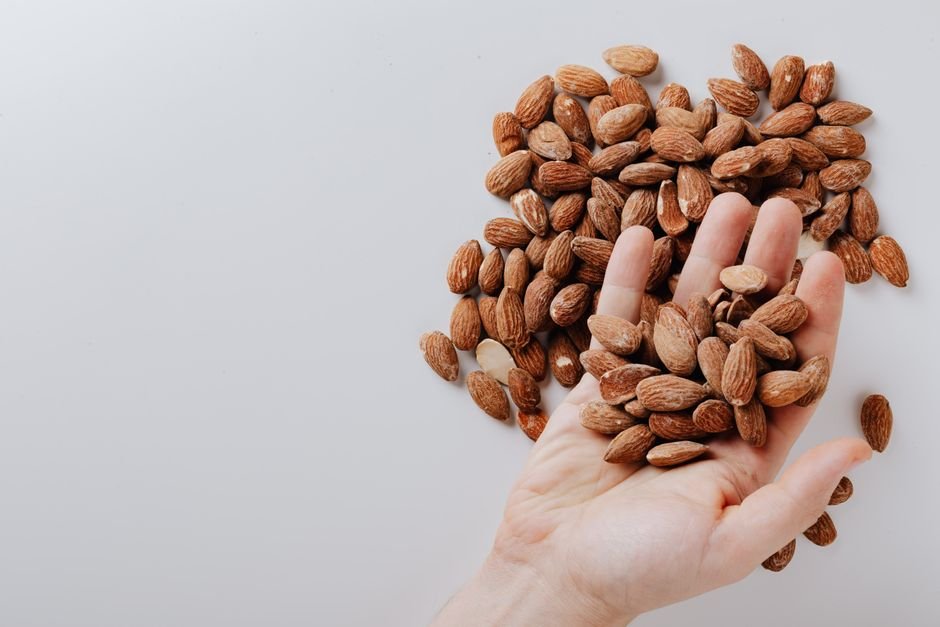
Almonds vs. Cashews: Which Fits Better in 1500 Calories?
Almonds (1 ounce / 23 nuts)
- 160 calories per serving
- 6 grams of protein (highest among common nuts)
- 3.5 grams of fiber for satiety
- 9 grams of unsaturated fat; cholesterol-lowering effect
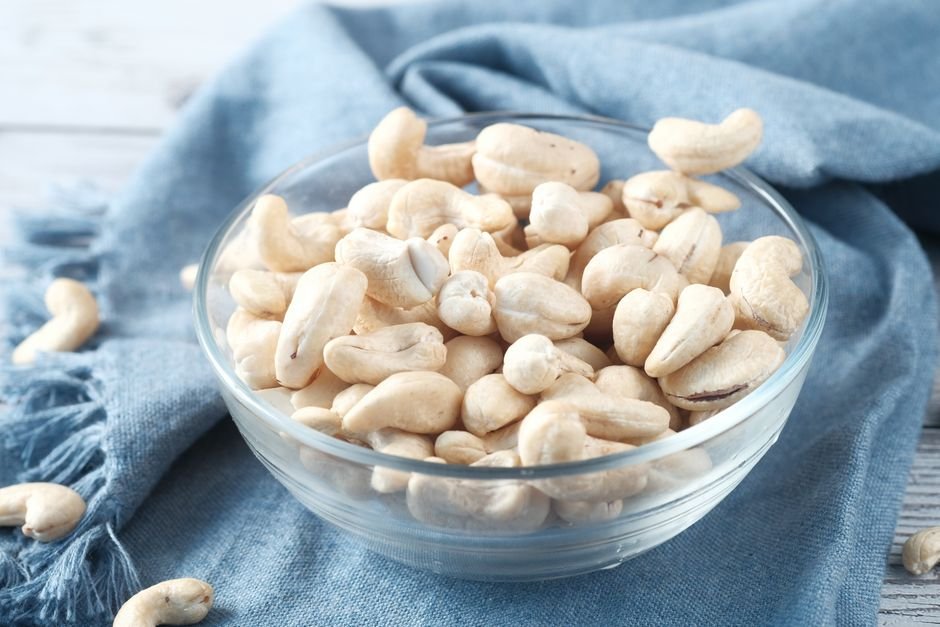
Cashews (1 ounce / 18 nuts)
- 155 calories per serving
- 5 grams of protein
- 0.9 grams of fiber
- 12 grams of fat; higher in oleic acid (heart-healthy)
| Metric | Almonds (1 oz) | Cashews (1 oz) |
|---|---|---|
| Calories | 160 | 155 |
| Protein (g) | 6 | 5 |
| Fiber (g) | 3.5 | 0.9 |
| Total Fat (g) | 9 | 12 |
| Net Carbs (g) | 3 | 9 |

Etekcity Food Scale
0.1g accuracy — the perfect companion for exact portions.
Which Is Better For a 1500 Calorie Diet?
Almonds win for a 1500 calorie diet. The 3.5 grams of fiber per ounce keeps you fuller longer on the same calorie budget, and the extra gram of protein helps preserve muscle during weight loss. On 1500 calories, satiety is everything—a 3pm hunger spiral can undo a day of careful eating. Almonds’ superior fiber-to-calorie ratio means two servings of almonds (320 calories) will keep you satisfied through dinner better than two servings of cashews with half the fiber.
Cashews aren’t a bad choice; they’re only 5 calories fewer per serving and taste richer, which appeals to people who get bored with almonds. If you love cashews, eat them—but expect to feel hungrier sooner and may need to pair them with something satiating like Greek yogurt or a vegetable to make the same calories feel more substantial.
Why the Numbers Don’t Tell the Whole Story
The serving size on a nut package (1 ounce, 23 almonds) is a lab standard, not a human one. In reality, most people’s “handful” measures 1.5 to 2 ounces without thinking twice. That innocent-looking snack bowl? It’s typically 3–4 ounces, or 480–640 calories—almost 40% of your entire daily intake, consumed while watching TV. The calorie math only works if you actually measure.
Roasting method, salt content, and added oils also shift the picture. Raw almonds (160 cal/oz) are different from honey-roasted (170 cal/oz) or oil-roasted (180+ cal/oz) versions. A 1500 calorie diet leaves almost no room for these hidden 10–20 calorie bumps across multiple meals. Nut butters add another layer: one tablespoon of almond butter (95 calories) *looks* tiny but feels filling, while one ounce of whole almonds (160 calories) disappears in 20 seconds.
The best way to know what’s actually in front of you is to use a reliable nutrients calculator that lets you input your exact brand and preparation. Our free AI nutrients calculator at https://nutrientscalculator.com/ lets you scan a package, input your portion size, and get immediate feedback on whether you have room left in your daily budget. This takes the guesswork out and shows you:
- Exact calories for your actual serving, not the label’s standard portion
- Protein, fiber, and fat breakdown so you can balance it with the rest of your meals
- How much room you have left for dinner and other snacks
Common Mistakes
Most people underestimate nut portions because they’re not paying attention, or they choose nuts thinking they’re “free” because they’re healthy. Here are the four biggest traps:
❌ Eating from a shared bowl. Once you stop measuring and start snacking casually, a 1 ounce serving becomes 2–3 ounces without conscious choice.
❌ Swapping a full meal for “just a handful.” Nuts have calories but not the complete micronutrient profile of a real meal—you’ll feel empty and overeat later.
❌ Forgetting that nut butters are denser than whole nuts. One tablespoon of almond butter (95 cal) vs. one ounce of whole almonds (160 cal) feel completely different in your stomach, but nut butter adds up faster in recipes.
❌ Assuming all nuts are equal. Macadamias (204 cal/oz) and pecans (196 cal/oz) have 25–50% more calories than almonds, leaving even less room for other foods on 1500 calories.
Awareness of these mistakes will protect your calorie budget.
FAQ
Can I have nuts every day on a 1500 calorie diet?
Yes, if you keep it to one measured ounce daily. The key is consistency—eat the same portion at the same time (e.g., afternoon snack), measure it once to learn what 23 almonds actually looks like in your palm, and stick to it.
What if I’m still hungry after one serving of nuts?
Pair them with something low-calorie and filling: a glass of water, herbal tea, or raw vegetables like celery or bell peppers. The extra volume and fiber will satisfy you better than adding more nuts, which would blow your calorie target.
Are raw almonds better than roasted for weight loss?
Nutritionally, they’re nearly identical—the difference is 160 vs. 170 calories per ounce depending on the roasting oil. Choose whichever you actually enjoy eating, because a nut you skip is fewer calories than one you force down and regret.
Should I count nuts differently if I’m also exercising?
Not on a 1500 calorie diet. This calorie level is already conservative; if you’re exercising regularly, consider eating a bit more overall (1600–1700 calories) rather than banking “exercise calories” for extra nuts, which is easy to miscalculate and derail progress.
Conclusion
On a 1500 calorie diet, you can have 1 to 2 standard servings of nuts daily—realistically 1 ounce of almonds, which gives you 160 calories, 6 grams of protein, and 3.5 grams of fiber. Almonds edge out cashews and other nuts because the fiber keeps you fuller on fewer calories, which matters when every calorie is accounted for. The gap between the label serving size and how people actually eat makes measuring non-negotiable.
The real discipline on a 1500 calorie diet isn’t saying no to nuts; it’s weighing them once, remembering what one ounce looks like, and then sticking to it. Use a reliable nutrients calculator to check brand-specific calorie counts and confirm you have room in your daily budget before you eat. Small choices compound—the difference between one ounce and two ounces of nuts is 160 calories, enough to either hit your target or miss it by 10%.
