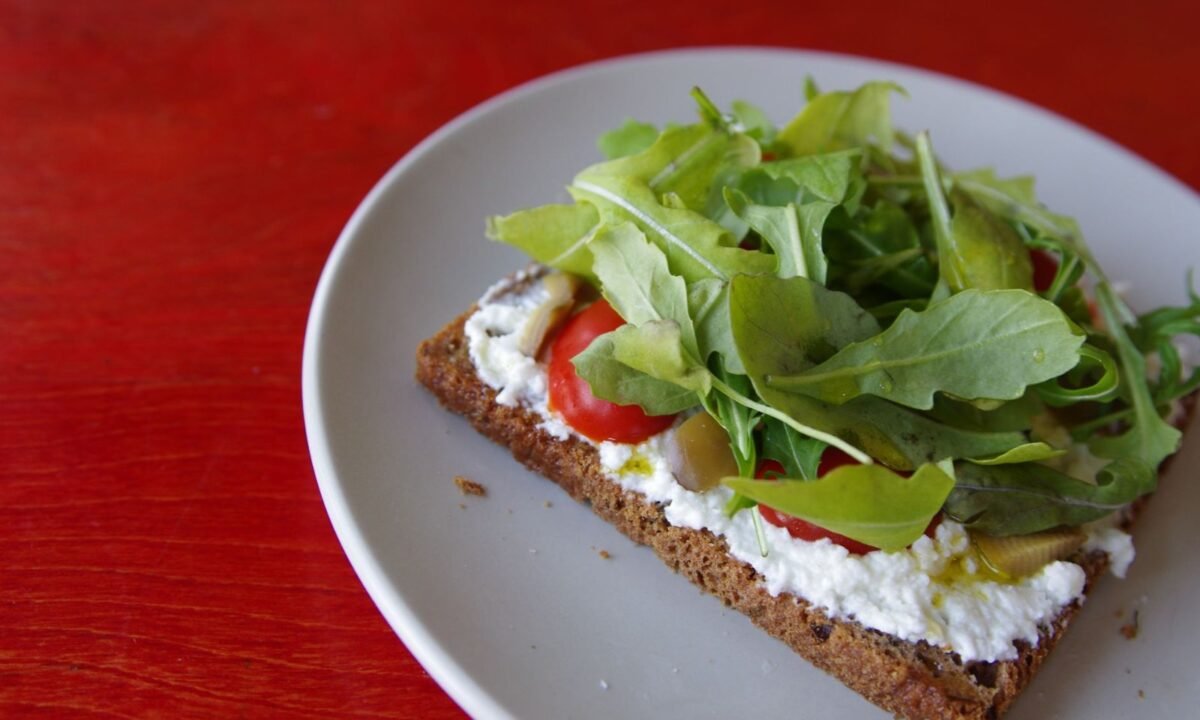
Cottage cheese toast with tomato and basil is one of those breakfasts that looks like it took far more effort than it did. A thick slice of toasted whole grain bread gets a layer of cool, creamy cottage cheese, a few ripe tomato slices, a pinch of flaky salt, and torn basil leaves. The whole thing takes about 10 minutes, and most of that is toasting the bread.
The appeal is the balance. Cottage cheese brings a mild, slightly tangy flavor and a lot of protein without much fat, while tomato adds juice, acidity and sweetness. Basil gives the bright, peppery finish that makes it taste like a dish rather than a snack. If you have ever wanted a breakfast that feels fresh instead of heavy, this is a good place to start.
This recipe makes two servings and is written for a home kitchen with a toaster, a knife, a fork and a small bowl. It works well on weekday mornings and also as a quick lunch.
Full recipe below
Cottage Cheese Toast with Tomato and Basil
Why this cottage cheese toast recipe works
Cottage cheese is a practical base for toast because it spreads like a soft cheese but holds its shape, so it does not soak into the bread the way a wet sauce would. Choosing the right kind matters. Small curd cottage cheese, particularly the 2% or 4% milkfat versions, has a smooth texture that spreads easily when you stir it briefly with a fork. Full-fat versions are richer and more spreadable, while nonfat versions can taste a little watery unless you drain them first.
The protein content is the main reason many people reach for it at breakfast. A half-cup of 2% cottage cheese typically provides around 12 to 14 grams of protein, and two slices of whole grain bread add several more. Protein helps keep you full through the morning, which is one reason the Dietary Guidelines for Americans encourage a varied mix of protein foods across the day. You can check the exact numbers for your brand using the USDA FoodData Central database, which lists nutrient values for cottage cheese and bread.
Tomato and basil work because they add contrast rather than more richness. Tomato provides acidity and juice that cut through the cheese, and basil adds a herbal, slightly sweet aroma. Salt and a little black pepper tie everything together. The result is a breakfast that tastes seasoned and complete without any cooking beyond toasting the bread.
Ingredients you need for cottage cheese toast with tomato and basil
- Two thick slices whole grain or sourdough bread (about 2 oz total, roughly 1 inch thick). Sturdy bread holds up to the moist topping. Thin sandwich bread will get soggy quickly.
- One cup of 2% cottage cheese, small curd, about 8 oz. Drain off any liquid from the container before measuring. Look for a brand with a short ingredient list.
- One medium ripe tomato, about 5 oz, sliced into thin rounds. Choose a tomato that gives slightly when pressed and smells fragrant at the stem end. Cherry tomatoes, halved, work in season.
- Eight to ten fresh basil leaves, torn by hand. Tearing releases more aroma than chopping and keeps the leaves from bruising into dark spots.
- One-quarter teaspoon flaky sea salt, such as Maldon, plus more to taste. Flaky salt adds crunch and bursts of seasoning that fine salt cannot match.
- Freshly ground black pepper, about one-eighth teaspoon. Optional, but a useful contrast to the cream.
- One teaspoon extra virgin olive oil for drizzling. Use a mild, fruity oil so it complements the tomato rather than overpowering it.
- Optional: a squeeze of lemon juice (about one teaspoon) or a few drops of balsamic glaze for a sweeter finish.
How to make cottage cheese toast with tomato and basil
- Toast the bread. Set the oven or toaster to a medium-high setting and toast two thick slices until golden and firm on the outside, about 3 to 4 minutes in a toaster or 6 to 8 minutes under a broiler watched closely. A firm, crisp crust resists sogginess better than a pale, soft slice.
- Prepare the cheese. Spoon the cottage cheese into a small bowl and stir with a fork for 20 to 30 seconds until it is slightly smoother but still has some texture. Taste and add a small pinch of salt. Cottage cheese varies in saltiness, so it is best to season after you taste.
- Slice the tomato. Cut the tomato into thin rounds, about one-quarter inch thick. Lay the slices on a paper towel for a minute and gently blot the tops. Removing surface moisture is the single most useful step for keeping the toast from getting wet.
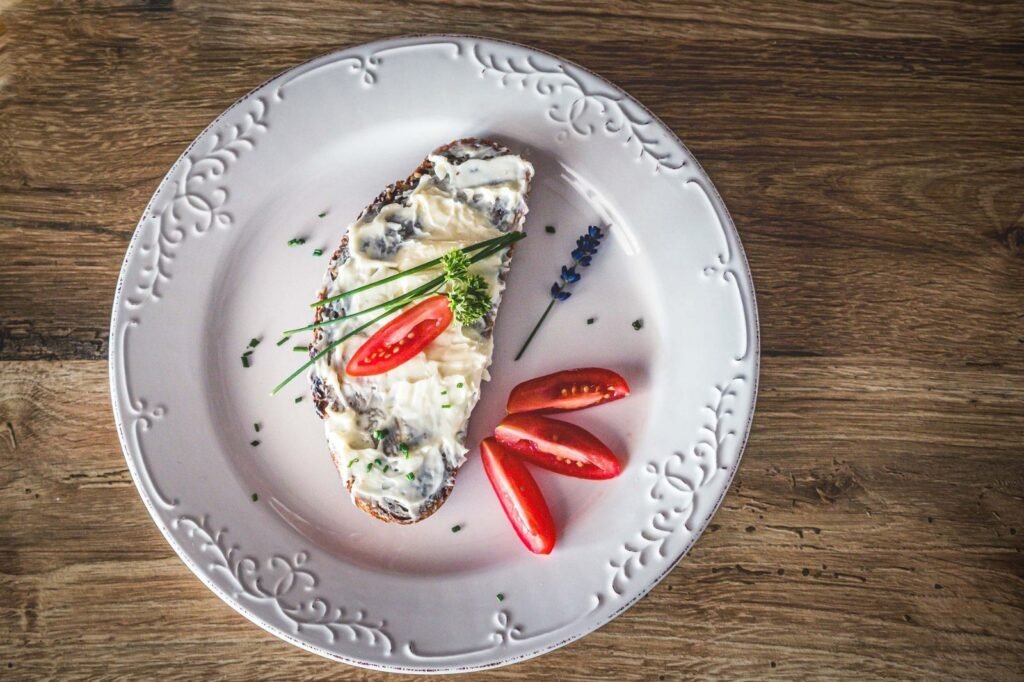
- Spread the cheese. Divide the cottage cheese between the two warm toast slices and spread it to the edges with the back of a spoon. Leave a thin border if you like a cleaner look. Spreading while the toast is still warm helps the cheese feel softer and more creamy.
- Add the tomato and basil. Arrange the tomato slices on top, overlapping slightly. Scatter the torn basil over the tomatoes and finish with flaky salt and black pepper.
- Finish and serve. Drizzle the olive oil over the top and add a squeeze of lemon if using. Serve immediately, since the toast is best eaten within about 15 minutes of assembly.
Storage and reheating tips for leftover toppings
Cottage cheese toast is best made fresh, because the bread begins to soften once the cheese and tomato sit on it. If you need to prepare ahead, store the components separately rather than assembling the toast. Keep the cottage cheese in a sealed container in the refrigerator, where it stays good for about 5 to 7 days after opening, following the timing guidance in the FoodSafety.gov cold food storage chart.
Sliced tomatoes lose their texture quickly once cut, so store them in a covered container lined with a paper towel for up to one day. Torn basil keeps best when wrapped loosely in a dry paper towel inside a bag in the fridge for a day or two. Bread stays best stored at room temperature in a bread bag; once it is toasted, eat it the same day.
There is no need to reheat cottage cheese toast, since it is served cold on warm or room-temperature toast. If you want to refresh leftover bread, toast it again for a minute or two before topping. Do not reheat cottage cheese itself, as heating makes it watery and grainy.

Common mistakes to avoid with cottage cheese toast
- Using wet cottage cheese. Watery cheese soaks into the bread and makes the toast soggy within minutes. Drain it in a fine-mesh sieve for 10 minutes if the container looks liquid.
- Skipping the toasting step. Untoasted bread turns gummy under moist toppings. Toast until the surface is dry and golden.
- Using thin or soft bread. Light sandwich bread collapses under the spread and tomato. Choose a thick, sturdy slice with a firm crumb.
- Salting too early. Salting tomatoes and then adding them to cheese can draw out juice and make the topping runny. Season the cheese lightly and finish the tomato with flaky salt just before serving.
- Using out of season tomatoes. Pale, mealy tomatoes taste flat with cream and bread. If tomatoes are not in season, cherry or grape tomatoes often have better flavor, or you can use a few roasted tomato halves.
- Overloading the toast. Piling on too much cheese or too many tomato slices makes it hard to eat. A generous, even layer is enough.
Swaps and variations on cottage cheese toast, including a lighter option
- Lighter option: Use nonfat or 1% cottage cheese, drained well, and a lower-calorie bread such as a thin whole grain slice. This keeps protein high while trimming calories. Check the calorie and protein numbers on the label using the FDA guide to the Nutrition Facts label as you compare brands.
- Add crunch: Top with sliced radishes, cucumber rounds or toasted pumpkin seeds for texture and a fresh bite.
- Make it peppery: Replace basil with arugula or add a few thin slices of red onion soaked briefly in cold water to mellow their bite.
- Sweet and savory: Drizzle a small amount of honey or balsamic glaze over the tomatoes, or add a few sliced strawberries in summer.
- Herb swap: Use fresh chives, dill or mint instead of basil. Dill pairs especially well with cottage cheese and lemon.
- Gluten-free: Use a sturdy gluten-free bread that toasts well, and check the label to confirm it is certified if needed.
- Add an egg: Serve with a soft-boiled or fried egg cooked until the yolk is set and the white reaches 160°F, the safe internal temperature for eggs in the FoodSafety.gov safe minimum internal temperature guide, for a more filling breakfast.
What to serve with cottage cheese toast
Cottage cheese toast works well as a complete breakfast on its own, but it pairs nicely with a few simple sides. A bowl of fresh berries or sliced fruit adds sweetness and fiber. A small glass of milk or a cup of coffee rounds out the meal. For a fuller plate, add a handful of cucumber slices or a simple side salad dressed with lemon and olive oil.
If you are building a larger breakfast spread, pair it with a warm, savory dish such as a tofu scramble for variety in protein, or a breakfast wrap for something more filling. You can also make cottage cheese toast alongside a cottage cheese egg bake when you have a few extra minutes and want a higher-protein breakfast for several people. For a lighter, sweeter option, a bowl of chia seed pudding is an easy companion.
Frequently asked questions
Is cottage cheese toast a good breakfast for protein?
Yes. Two slices of toast with about a half-cup of 2% cottage cheese typically provides roughly 20 grams of protein, depending on your bread and brand. It is a practical way to add protein at breakfast.
Can I make cottage cheese toast ahead of time?
It is best assembled just before eating. You can prepare the cottage cheese and sliced tomato in advance and store them separately in the fridge, then toast the bread and assemble when you are ready.
What is the best cottage cheese for toast?
Small curd, 2% or 4% milkfat cottage cheese spreads well and has a creamy texture. Drain any liquid before using, and choose a brand with a simple ingredient list.
Can I use something other than basil on cottage cheese toast?
Yes. Chives, dill, mint or arugula all work well. Dill and lemon are a particularly good match for cottage cheese.
Is cottage cheese toast healthy for weight loss?
It can be part of a balanced eating pattern. Using nonfat or 1% cottage cheese and a thinner whole grain bread keeps calories lower while maintaining protein, which supports fullness. Total calories still depend on your overall daily needs.
Do I need to cook the cottage cheese?
No. Cottage cheese is eaten cold and does not need cooking. Only the bread is toasted. If you add a cooked egg, cook it until the yolk is set and the white reaches 160°F.
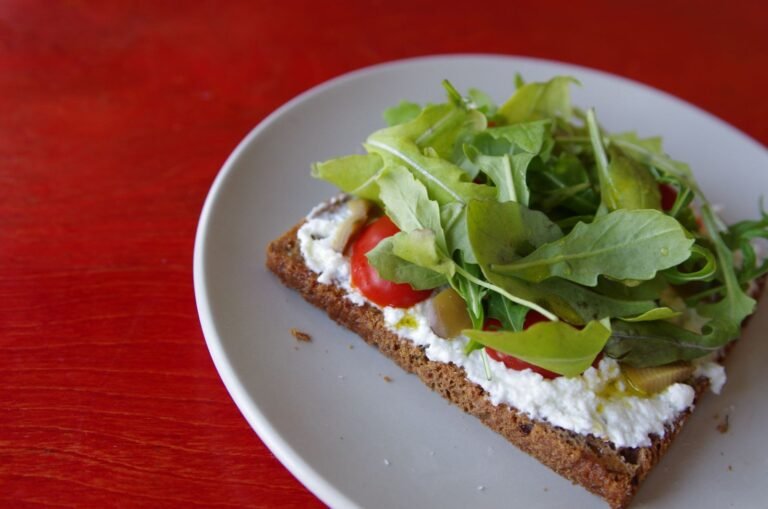
Cottage Cheese Toast with Tomato and Basil
A creamy, savory cottage cheese toast topped with ripe tomato, torn basil and flaky salt. A high-protein breakfast ready in 10 minutes.
Ingredients
Instructions
- Toast the bread until golden and firm, about 3 to 4 minutes in a toaster.
- Stir the drained cottage cheese with a fork for 20 to 30 seconds and season with a small pinch of salt.
- Slice the tomato into thin rounds and blot them dry with a paper towel.
- Spread the cottage cheese over the warm toast to the edges.
- Arrange the tomato slices on top, then scatter the torn basil.
- Finish with flaky salt, black pepper and olive oil, and serve immediately.
Notes
- For a lighter version, use nonfat or 1% cottage cheese and a thinner whole grain bread.
- Drain cottage cheese well to prevent soggy toast.
- Cottage cheese toast is best eaten within about 15 minutes of assembly.
Nutrition per serving
- Calories
- 202
- Protein
- 15.9g
- Carbs
- 23.5g
- Fat
- 5.5g
- Saturated fat
- 1.8g
- Fiber
- 2.7g
- Sugar
- 7.4g
- Sodium
- 678mg
- Cholesterol
- 14mg