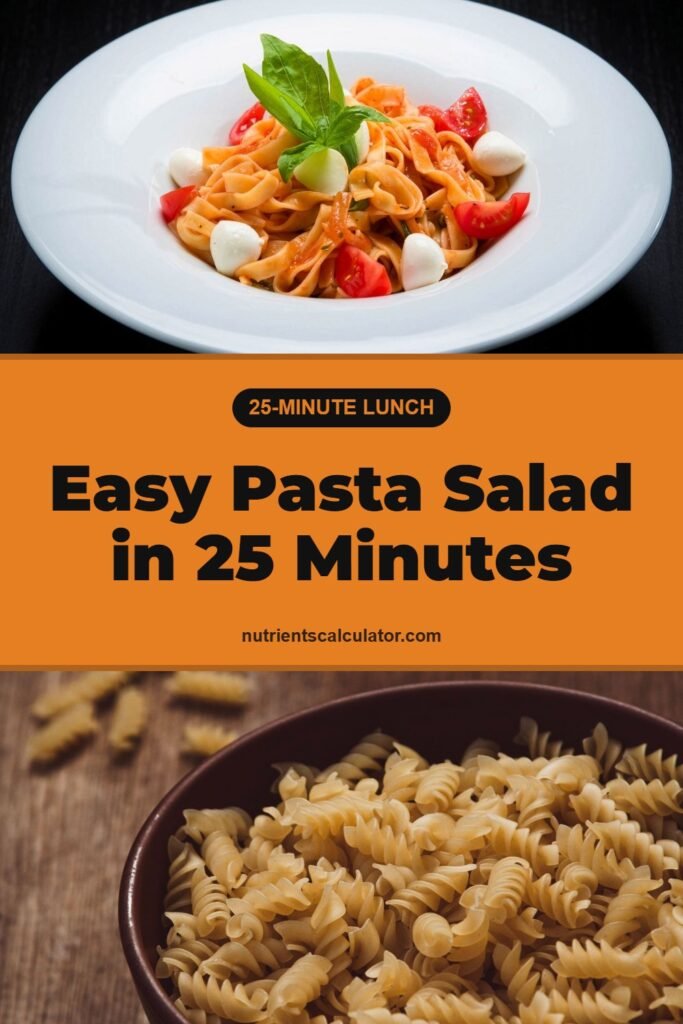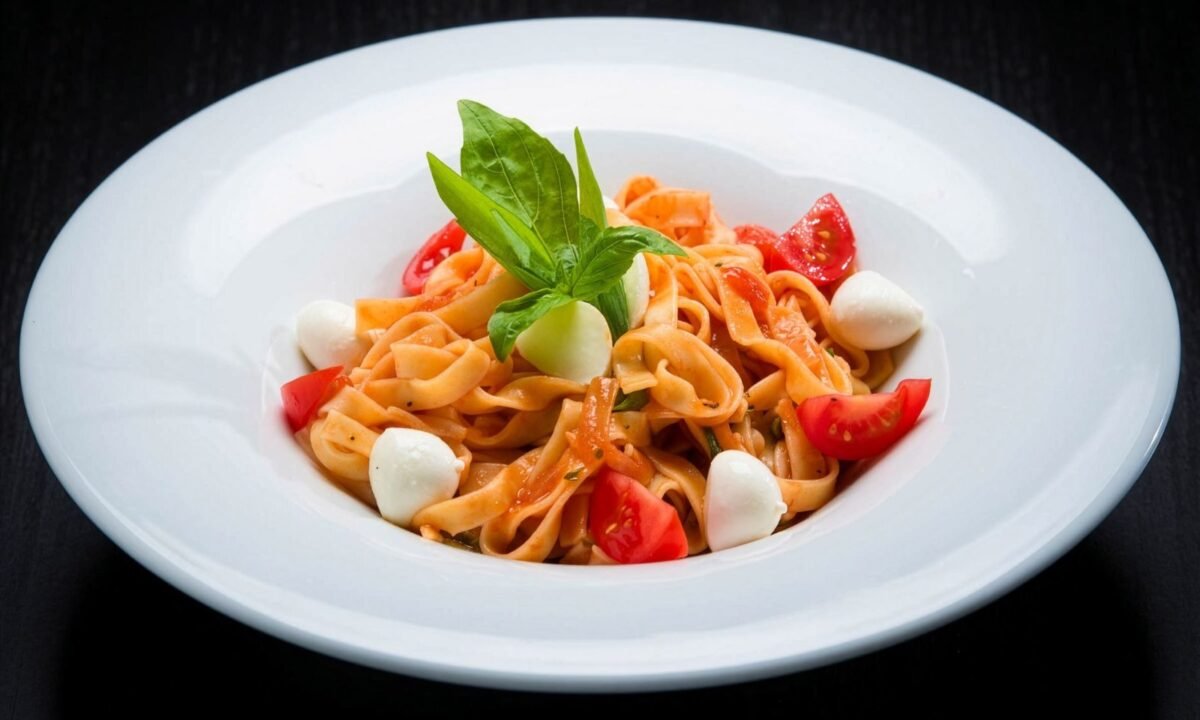
A good pasta salad is one of the easiest lunches you can make ahead, and this tomato and mozzarella version tastes like summer even when the tomatoes are not at their peak. It combines short pasta, juicy cherry tomatoes, fresh mozzarella pearls, basil and a simple vinaigrette, so every bite has a balance of sweet, tangy and creamy flavors.
This recipe makes four generous lunch portions in about 25 minutes of total time. Nothing needs to be cooked beyond boiling the pasta, so you can assemble it while the water heats up. It is also flexible: you can serve it cold straight from the fridge, at room temperature on a picnic table, or packed into a lunch container for the next day.
Below you will find the full ingredient list with notes on choosing good ingredients, a step-by-step method with tips, storage guidance, common mistakes, swaps for a lighter version, and suggestions for what to serve alongside it.
Full recipe below
Tomato and Mozzarella Pasta Salad
Why this recipe works
The best pasta salad depends on contrast. Here, the sharp acidity of red wine vinegar and the salty bite of olives and mozzarella cut through the richness of olive oil and the soft, creamy texture of fresh cheese. Tomatoes add juiciness and natural sweetness, so the dressing does not need sugar or heavy mayonnaise.
The method is also forgiving. Cooking the pasta until just tender and then rinsing it with cold water stops the cooking and keeps the shape intact. Because the dressing is applied while the pasta is still slightly warm, the noodles absorb the flavor instead of staying bland. Tossing in the tomatoes and cheese at the end keeps them fresh.
Nutritionally, this is a balanced lunch. Pasta provides carbohydrates for steady energy, mozzarella adds protein and calcium, and tomatoes and basil contribute vitamin C and potassium. For a fuller meal, you can pair it with protein as described later in this post. The USDA MyPlate guidance encourages filling half the plate with vegetables and fruit, and a generous tomato and herb salad is an easy way to do that.
Ingredients you need for a tomato and mozzarella pasta salad
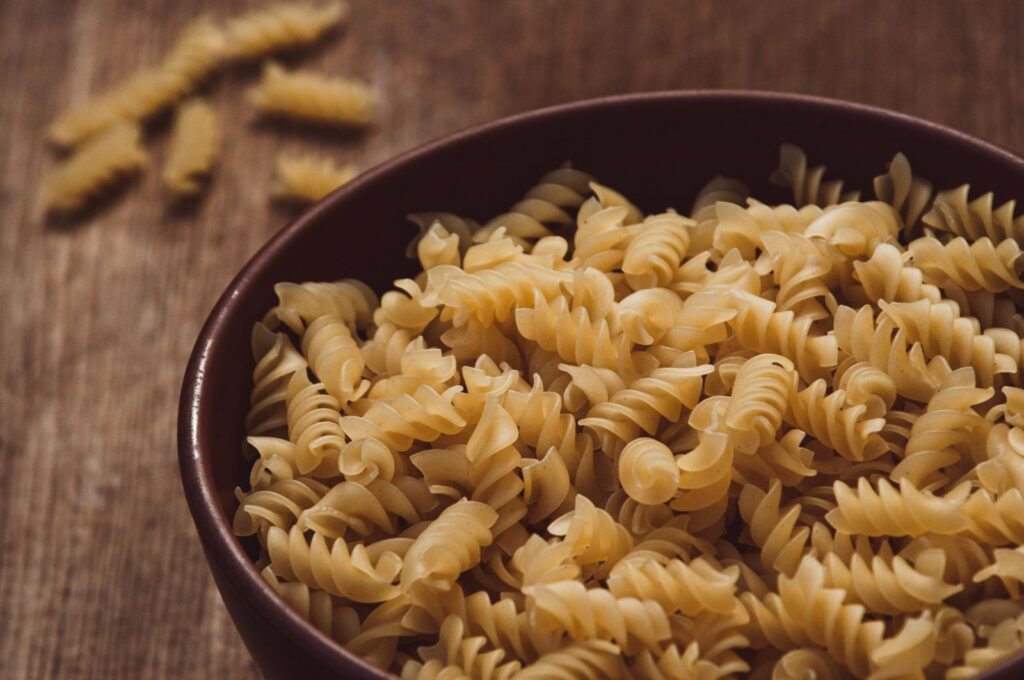
- 12 oz dried short pasta such as fusilli, rotini or farfalle: Choose a pasta with twists or pockets so the dressing and small pieces of cheese get trapped in the shapes. Look for bronze-cut pasta if you can find it, since its rougher surface holds sauce well.
- 1 lb cherry or grape tomatoes: Pick tomatoes that are firm, glossy and heavy for their size. Halve any larger tomatoes so they are bite-sized. Out-of-season tomatoes are often watery, so salting and draining them briefly helps.
- 8 oz fresh mozzarella pearls (ciliegine) or small balls: Fresh mozzarella packed in water has the best texture. Drain it well and pat it dry before adding. If you use a larger ball, cut it into bite-sized cubes.
- 1/2 cup extra virgin olive oil: A fruity, mild extra virgin olive oil works well. Its flavor is noticeable in a dressing with few ingredients, so use one you enjoy tasting.
- 3 tbsp red wine vinegar: Red wine vinegar gives a clean, sharp finish. Balsamic can be used for a darker, sweeter dressing, but it will change the color.
- 1/3 cup pitted Kalamata olives, halved: Olives add a salty, briny note. Drain them well so the dressing is not diluted.
- 1/2 cup loosely packed fresh basil leaves, torn: Tear the leaves by hand rather than chopping them, which can bruise and darken them.
- 1 small garlic clove, finely grated: A small amount of raw garlic adds sharpness. Grating it on a microplane spreads the flavor evenly.
- 1 tsp Dijon mustard: Mustard helps the oil and vinegar stay emulsified, so the dressing coats the pasta instead of pooling.
- 1 tsp kosher salt, plus more to taste: Salt the pasta cooking water generously, since it is the only chance to season the noodles themselves.
- 1/2 tsp black pepper, freshly ground: Freshly ground pepper has more aroma than pre-ground.
- 2 tbsp grated Parmesan (optional): Adds savory depth. Use a real block for the best flavor.
How to make the pasta salad step by step
- Bring a large pot of water to a rolling boil and add 1 tbsp of kosher salt. The water should taste pleasantly salty, like seawater.
- Add the pasta and cook according to the package directions until just tender, usually 9 to 11 minutes. Stop when it is firm but not chalky in the center. Overcooked pasta turns mushy once it cools.
- While the pasta cooks, halve the cherry tomatoes and place them in a large bowl. Sprinkle them with a pinch of salt and let them sit for 10 minutes. This draws out excess liquid and concentrates their flavor, and you can pour off any juice before assembling.
- Make the dressing by whisking together the grated garlic, red wine vinegar, Dijon mustard, salt and pepper in a small bowl. Slowly drizzle in the olive oil while whisking until the dressing looks slightly thickened.
- Drain the pasta in a colander and rinse briefly with cold water only if you plan to serve it cold right away. For the best absorption of dressing, drain it and toss it while still warm with about half of the dressing.
- Let the pasta cool for about 5 minutes, then add the drained tomatoes, olives, torn basil, mozzarella and Parmesan if using. Pour over the remaining dressing and toss gently until everything is coated.
- Taste and adjust with salt, pepper or an extra splash of vinegar. Chill for 15 to 20 minutes before serving if you prefer it cold, or serve at room temperature.
Storage and reheating your pasta salad
Store the pasta salad in an airtight container in the refrigerator. According to FoodSafety.gov cold food storage guidance, perishable foods like cooked pasta and fresh cheese should not sit out for more than two hours at room temperature, or one hour when the air temperature is above 90°F. Keep it refrigerated at 40°F or below and eat it within three to four days.
Pasta salad is best eaten cold or at room temperature, so reheating is not usually needed. If it has been chilled, the pasta can firm up and the dressing can thicken. Let it sit out for 15 to 20 minutes before eating, or stir in a teaspoon of olive oil or a tablespoon of water to loosen it.
Do not freeze this salad. Fresh mozzarella becomes watery and rubbery after freezing, and cooked pasta and tomatoes lose their texture. If you want to prep ahead, cook and cool the pasta, keep the dressing separate, and store the tomatoes and basil in their own containers, then combine just before eating. Basil is best added fresh to avoid darkening.
Common mistakes to avoid
- Overcooking the pasta: Pasta keeps softening as it cools and sits in the dressing. Pull it from the water when it is just tender.
- Skipping the salt in the water: Dressing alone cannot season the noodles evenly. A generous pinch of salt in the cooking water makes a noticeable difference.
- Adding basil too early: Basil bruises and turns dark when it sits in acidic dressing for hours. Add it right before serving.
- Using wet mozzarella: Excess water from fresh mozzarella dilutes the dressing and makes the salad soggy. Drain and pat the cheese dry.
- Dressing cold pasta: Cold noodles absorb less dressing. Toss with some dressing while the pasta is still warm for better flavor.
- Forgetting to taste before serving: Chilling dulls salt and acidity. Taste once more and adjust before serving.
Swaps and variations, including a lighter option
- Lighter version: Use part-skim or low-moisture mozzarella cut into cubes instead of fresh mozzarella, and reduce the olive oil to 1/4 cup. Add an extra 1 cup of halved cucumber for crunch and volume with few calories.
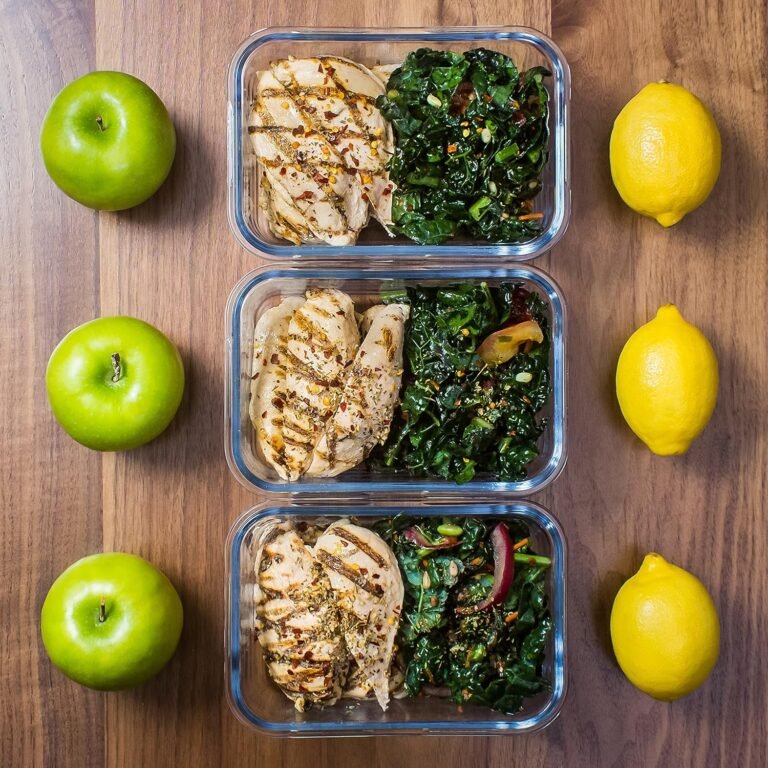
- Higher protein: Stir in 1 cup of cooked chickpeas or 8 oz of diced grilled chicken breast. Cook chicken to an internal temperature of 165°F, as recommended by FoodSafety.gov safe minimum internal temperatures.
- Whole wheat pasta: Swap in whole wheat fusilli or rotini for more fiber. The texture is a little firmer, so cook it one minute less than the package suggests.
- Pesto twist: Replace the vinaigrette with 3 tbsp of store-bought basil pesto thinned with 2 tbsp of olive oil and 1 tbsp of lemon juice.
- Add-in vegetables: Roasted zucchini, bell peppers or thin-sliced red onion all work well. Add cooked vegetables when the pasta is still warm so they soften slightly.
- Herb variation: Use a handful of fresh parsley or oregano in place of some of the basil for a different flavor profile.
What to serve with tomato and mozzarella pasta salad
For a complete lunch, pair this pasta salad with a protein. Grilled chicken, a hard-boiled egg, or a bowl of white beans all fit well. Grilled chicken should reach 165°F internally, and eggs should be cooked until both the white and yolk are firm.
A simple side of cucumber slices, a handful of arugula, or sliced fruit adds crunch and freshness. The Dietary Guidelines for Americans encourage a variety of vegetables and fruits, so a side like this helps round out the plate.
If you are packing lunch, serve the salad with crusty bread or whole-grain crackers and a small container of fruit. For a lighter lunch, pair it with a bowl of clear broth or a glass of sparkling water. For more ideas, see our Mediterranean Quinoa Salad for another fresh, make-ahead lunch, or the Halloumi Salad Recipe for a warm, grilled option.
Frequently asked questions
Can I make tomato and mozzarella pasta salad the day before?
Yes. Make the pasta and dressing up to a day ahead and store them separately in the refrigerator. Add the tomatoes, mozzarella and basil just before serving so they stay fresh and the basil does not darken.
What is the best pasta for a pasta salad?
Short shapes with ridges or twists, such as fusilli, rotini and farfalle, work best because they hold dressing and small pieces of cheese. Cook them until just tender so they do not turn soft as they cool.
How long does pasta salad last in the fridge?
Store it in an airtight container in the refrigerator at 40°F or below and eat it within three to four days. Do not leave it out for more than two hours at room temperature.
Can I use bocconcini or regular mozzarella?
Yes. Bocconcini and fresh mozzarella balls are the best choice for a tender texture. Regular low-moisture mozzarella can also be used, cut into small cubes, but it will be firmer and less creamy.
Is tomato and mozzarella pasta salad a healthy lunch?
It can be part of a balanced lunch. It provides carbohydrates, protein from the cheese, and vitamins from tomatoes and basil. Check the nutrition facts on your specific ingredients using the FDA guide to the Nutrition Facts label and add lean protein or extra vegetables to make it more filling.
Should pasta salad be served cold or at room temperature?
Either works. Chilling for 15 to 20 minutes gives a refreshing result, while room temperature lets the olive oil and basil flavors come through more clearly. Just keep it out of the danger zone for no more than two hours.
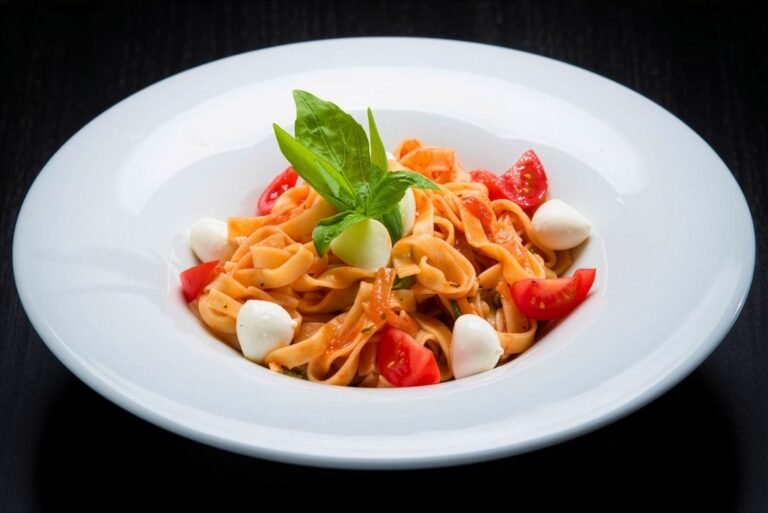
Tomato and Mozzarella Pasta Salad
A fresh, easy pasta salad with cherry tomatoes, fresh mozzarella, olives and basil in a bright red wine vinegar dressing.
Ingredients
Instructions
- Bring a large pot of water to a rolling boil and add 1 tbsp of kosher salt.
- Add the pasta and cook according to package directions until just tender, usually 9 to 11 minutes.
- While the pasta cooks, halve the cherry tomatoes, sprinkle with a pinch of salt and let sit for 10 minutes, then drain off excess liquid.
- Whisk the grated garlic, red wine vinegar, Dijon mustard, salt and pepper together, then slowly whisk in the olive oil.
- Drain the pasta and toss while still warm with about half of the dressing.
- Let the pasta cool for about 5 minutes, then add the tomatoes, olives, torn basil, mozzarella and Parmesan if using. Pour over the remaining dressing and toss gently.
- Taste and adjust with salt, pepper or vinegar, then chill 15 to 20 minutes or serve at room temperature.
Notes
- Basil is best added just before serving so it does not darken.
- Do not freeze this salad. Fresh mozzarella and tomatoes lose texture.
- Store refrigerated and eat within three to four days.
- For extra protein, add 8 oz diced grilled chicken cooked to 165°F.
Nutrition per serving
- Calories
- 771
- Protein
- 25.7g
- Carbs
- 70.9g
- Fat
- 42.8g
- Saturated fat
- 12.6g
- Fiber
- 4.6g
- Sugar
- 5.3g
- Sodium
- 742mg
- Cholesterol
- 47mg