
Clementines are a popular choice for anyone seeking a convenient, naturally sweet snack that fits easily into a busy lifestyle. These seedless, easy-to-peel mandarins are widely eaten during winter months in North America and Europe, and appeal to health-conscious consumers, parents looking for kid-friendly fruit, and people managing blood sugar levels or watching calories.
Understanding the exact calorie and nutrient content of a clementine helps you fit this citrus fruit into your daily nutrition plan accurately. This article answers “How many calories are in a clementine?” and provides complete nutrition facts, portion guidance, and practical eating tips.
Calories in Clementine (Quick Answer)
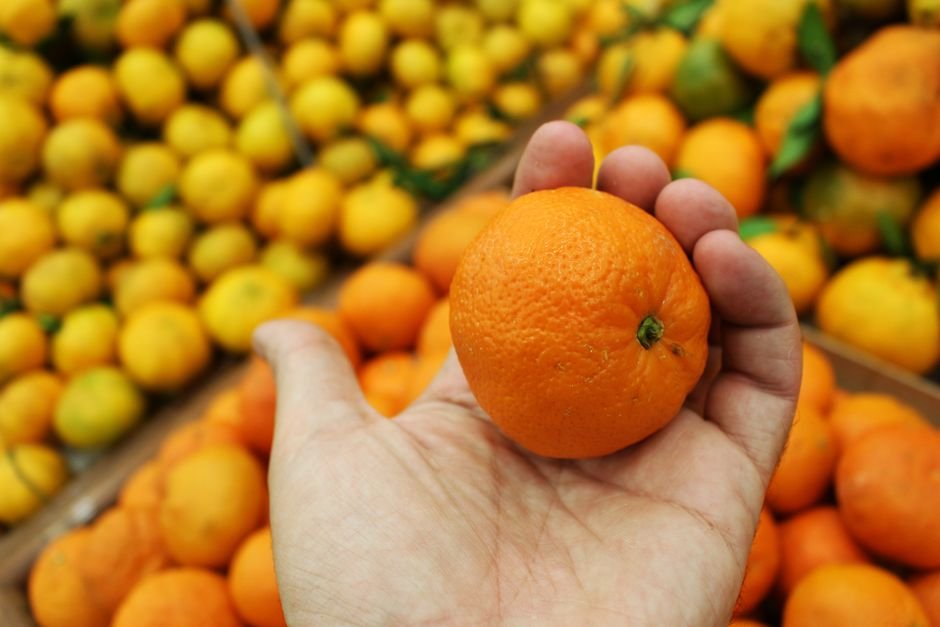
A medium clementine weighs approximately 88 grams and contains straightforward macronutrient data:
- One medium clementine (88g): 35 calories
- One large clementine (100g): 40 calories
- One small clementine (75g): 30 calories
Actual calorie counts vary slightly depending on variety, ripeness, and how much pith (white inner skin) you include when eating.
Full Nutrition Facts for One Medium Clementine (88g)
Clementines are primarily water and simple carbohydrates, with negligible fat and protein, making them a light, nutrient-dense choice for quick energy.
| Nutrient | Amount | % Daily Value |
|---|---|---|
| Calories | 35 | 2% |
| Total Fat | 0.2g | <1% |
| Saturated Fat | 0.03g | <1% |
| Cholesterol | 0mg | 0% |
| Sodium | 2mg | <1% |
| Total Carbohydrate | 9g | 3% |
| Dietary Fiber | 1.6g | 6% |
| Total Sugars | 7g | — |
| Protein | 0.5g | 1% |
| Vitamin C | 26mg | 43% |
| Folate | 24mcg | 6% |
| Potassium | 131mg | 4% |
*Percent Daily Values are based on a 2,000-calorie diet. Source: USDA FoodData Central.
Key insight: Clementines are exceptionally rich in vitamin C, delivering over 40% of your daily need in just one fruit, making them an excellent immune-supporting choice. The combination of natural sugars and fiber means the fruit provides quick carbohydrate energy while slowing sugar absorption, making clementines suitable for most blood sugar management plans.

Etekcity Food Scale
0.1g accuracy — the perfect companion for exact portions.
Clementine vs. Navel Orange: Which Has Fewer Calories?
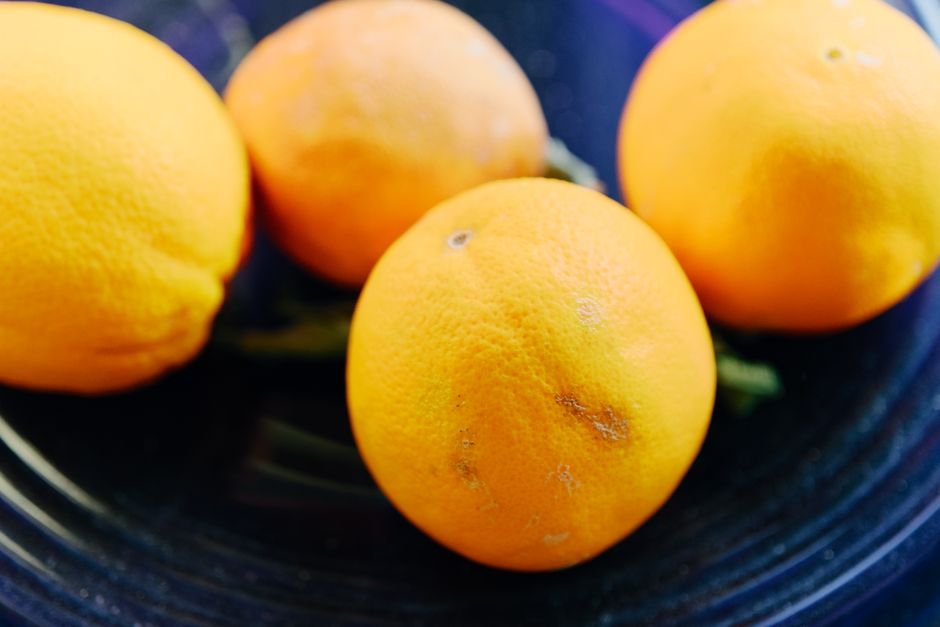
Clementines and navel oranges are both citrus fruits, but they differ in size, sweetness, and calorie density. Comparing them helps you choose based on your hunger level and calorie targets.
Clementine (Medium, 88g)
- 35 calories per fruit
- 9g carbohydrates, primarily natural sugar
- Smaller size; typically eaten whole in one sitting
Navel Orange (Medium, 154g)
- 62 calories per fruit
- 16g carbohydrates with slightly more fiber (3.1g vs 1.6g)
- Larger, less sweet; one fruit often shared or eaten over two sittings
Practical takeaway: Clementines are less calorie-dense than navel oranges and more convenient for portion control because their natural serving size is already smaller. If you’re tracking calories strictly, clementines offer faster satiation per gram and require no cutting or peeling prep time, making them ideal for portion awareness. However, navel oranges deliver slightly more fiber, so neither choice is objectively “better”—it depends on whether you prioritize calorie count or fiber intake.
Is Clementine Good for Weight Loss?
Yes, clementines are a weight-loss-friendly fruit. At just 35 calories per medium fruit, they’re low in calories while high in water content, fiber, and natural sweetness, making them satisfying without being calorie-dense. The vitamin C boost also supports metabolism and immune function during calorie restriction. However, because clementines contain 7g of natural sugar per fruit, they should not be eaten in unlimited quantities; a reasonable serving is 1–2 clementines per day as part of a balanced meal plan.
Tips to Eat Clementine Without Gaining Weight:
- Pair with protein: Eat a clementine with a small handful of almonds or a string cheese to add satiety and prevent blood sugar spikes.
- Set a daily limit: Aim for 1–2 clementines per day rather than eating a whole bag in one sitting; easy peeling can lead to unconscious overconsumption.
- Eat them whole, not as juice: Whole clementines provide fiber and chewing satisfaction; juice removes fiber and concentrates natural sugars, raising calorie density and spiking blood sugar faster.
- Track portion sizes: Use a scale if you’re in a strict calorie deficit; clementines vary slightly in weight, so counting by fruit (not by weight) may cause creep.
Clementines are a genuinely nutritious snack that supports sustainable weight loss when eaten mindfully as part of a whole-food diet.
How Portion Size Affects Calories
Clementine size varies noticeably. A small clementine (75g) contains about 30 calories, while an extra-large one (110g) can reach 45 calories. Because they’re small and sweet, it’s easy to eat multiple clementines without noticing calorie accumulation. Being aware of portion differences matters if you’re logging food or following a calorie target.
Example:
- Small clementine (75g): 30 calories — appropriate as a light snack or post-meal palate cleanser.
- Three medium clementines (264g): 105 calories — a reasonable mid-morning or afternoon snack with satiety benefits.
Eating more than three clementines at once can quickly exceed 100+ calories without the fullness boost you’d get from a larger, less sweet fruit or a balanced snack pairing.
Best Way to Measure Clementine Accurately
Since clementines vary in size and weight, weighing them is the most accurate way to track calories if you’re in a strict nutrition plan. However, for casual eating, a medium clementine (the most common size sold in grocery stores) provides reliable 35-calorie increments. A kitchen scale takes the guesswork out and prevents accidental portion creep.
Options:
- Digital kitchen scale: Weigh your clementine and match it to the USDA FoodData Central database (most common serving: 88g medium, or 100g standard reference weight).
- Visual estimate: A medium clementine is roughly the size of a golf ball; use this as a mental reference when a scale isn’t available.
- Count by fruit: If clementines are uniform in size (common in bulk packs), simply count them and multiply by 35 calories per medium fruit.
Calculate Your Exact Calorie Intake
If you eat clementines as part of a larger meal or snack and want to understand your total daily calorie intake and macro balance, manual math can become tedious. A nutritional calculator that accounts for all your foods at once gives you instant clarity on whether you’re hitting your goals.
Our site offers a free AI-powered nutrients calculator that breaks down calories, protein, carbs, fat, and micronutrients in seconds. Simply input the foods you eat, and the tool logs your nutrition data automatically—no spreadsheets required. Try the free calculator here.
- Instant macro tracking: See how clementines fit into your daily protein and carb targets without manual entry.
- Meal planning: Discover optimal food pairings to balance nutrition around your clementine snack.
- Progress insights: Track daily and weekly nutrition trends to spot patterns and adjust portions confidently.
Common Mistakes When Eating Clementine
Even though clementines are a healthy fruit, several eating habits can undermine your nutrition goals:
❌ Eating unlimited clementines because they’re “healthy”: Natural sugars still count toward daily carbohydrate and calorie intake. One bag of clementines can easily contain 300+ calories if you eat carelessly.
❌ Drinking clementine juice instead of eating the whole fruit: Juice strips away fiber, concentrates sugar, and is absorbed faster, causing blood sugar spikes and leaving you hungry sooner.
❌ Forgetting to count the pith you eat: Some people eat a thin layer of white pith along with the flesh, which adds minimal calories but skews portion tracking if you’re weighing.
❌ Confusing serving size with “one fruit”: A standard USDA serving is 100g (one large clementine), but small varieties may only be 75g. Assuming all clementines are 35 calories can lead to undercounting if you buy smaller specimens.
Awareness of these pitfalls helps you stay on track while still enjoying clementines as a nutritious part of your diet.
FAQ
How many calories are in 100g of clementine?
Approximately 40 calories. A 100g clementine is a standard reference serving in nutrition databases and corresponds to one large clementine.
Is clementine fattening?
No. Clementines are fat-free, with less than 0.2g of fat per fruit and zero cholesterol. The natural sugars do contribute calories, so overconsumption can add up, but a single clementine is among the lowest-calorie whole fruits available.
What’s the best time to eat a clementine?
Mid-morning or afternoon, paired with protein or nuts to prevent blood sugar dips. Eating a clementine on an empty stomach can cause a quick glucose spike followed by hunger within an hour.
How many clementines can I eat per day?
Most nutrition plans support 1–3 medium clementines daily as part of a balanced diet. Beyond three, you risk exceeding 100+ calories and 21g of natural sugar in a single sitting, which may interfere with stable energy or weight-loss goals.
Conclusion
Clementines are a nutritionally sound, low-calorie snack delivering 35 calories, 9g of carbohydrates, and 43% of your daily vitamin C in a single, convenient package. The naturally sweet taste, easy peeling, and compact size make them one of the most practical fruits for people counting calories or managing blood sugar. Their minimal fat and protein mean they should be paired with other nutrient-dense foods for complete satiety, but as an occasional snack or post-meal fruit, clementines fit seamlessly into weight-loss, wellness, and everyday eating plans.
To make the most of your nutrition choices—whether you eat clementines daily or only seasonally—track your intake consistently using a **reliable nutrients calculator** to ensure all your foods work together toward your health goals. This removes ambiguity and empowers you to eat with confidence.
