
Ketchup is one of the world’s most popular condiments, used on everything from fries and burgers to hot dogs and eggs. Americans alone consume roughly 650 million pounds of ketchup annually, making it a staple in kitchens and restaurants worldwide. Whether you’re tracking calories for weight loss, managing blood sugar, or simply curious about your food, understanding ketchup’s nutritional profile matters—because those tablespoons add up faster than most people realize.
But how many calories are actually in ketchup? The answer depends on the type, serving size, and brand. This guide breaks down the exact calorie content, full nutrition facts, and practical strategies for enjoying ketchup without derailing your goals.
Calories in Ketchup (Quick Answer)
Here’s what one serving of standard ketchup contains:
- 1 tablespoon (17g) of standard ketchup: 15–17 calories
- 1/4 cup (60g) of ketchup: 60–68 calories
- Low-sugar ketchup (1 tablespoon): 9–11 calories
Calorie content varies by brand and formulation; some premium brands and restaurant versions may contain slightly more due to added ingredients or thicker consistency.

Full Nutrition Facts for 1 Tablespoon (17g) of Standard Ketchup
Here’s the complete nutrient breakdown for one tablespoon of typical tomato-based ketchup:
| Nutrient | Amount | % Daily Value |
|---|---|---|
| Calories | 16 | 1% |
| Total Fat | 0.1g | <1% |
| Saturated Fat | 0g | 0% |
| Cholesterol | 0mg | 0% |
| Sodium | 167mg | 7% |
| Total Carbohydrate | 4g | 1% |
| Dietary Fiber | 0.1g | <1% |
| Total Sugars | 3.6g | |
| Protein | 0.3g | <1% |
| Vitamin C | 2.4mg | 4% |
| Potassium | 153mg | 4% |
| Lycopene | 2.7mg | — |
*Percent Daily Values are based on a 2,000-calorie diet. Source: USDA FoodData Central.
Key insight: Standard ketchup is almost pure carbs and sugar—nearly 4 grams of sugar per tablespoon—with almost zero fat or protein. The real nutritional concern is sodium; one tablespoon delivers 7% of your daily limit, and most people use far more than that per meal. The bright spot is lycopene, a lycopene antioxidant in tomatoes that may support heart health, though ketchup’s processing and added sugar diminish some of tomato’s original benefits.

Etekcity Food Scale
0.1g accuracy — the perfect companion for exact portions.
Regular Ketchup vs. Low-Sugar Ketchup
Regular Ketchup
- 3.6g of sugar per tablespoon; rapid blood sugar spike for people with insulin sensitivity
- 167mg sodium per tablespoon; contributes heavily to daily sodium intake
- Cheaper and more widely available; familiar taste most people expect
Low-Sugar Ketchup
- Less than 1g sugar per tablespoon; minimal impact on blood glucose and cravings
- Often similar sodium content but fewer overall calories due to reduced carbs
- Usually sweetened with stevia, erythritol, or sugar alcohols; some people prefer the taste, others find it slightly aftertaste
Practical takeaway: If you’re managing diabetes, prediabetes, or strict carb intake, low-sugar ketchup is a straightforward swap that keeps you on track without forcing you to give up flavor. For general weight loss, the calorie difference is minimal (save maybe 5–7 calories per tablespoon), but the sugar reduction can help reduce cravings and blood sugar crashes. Regular ketchup is fine in small amounts for most people; the problem arises when it’s used liberally—think fries drenched in ketchup or burgers with thick layers.
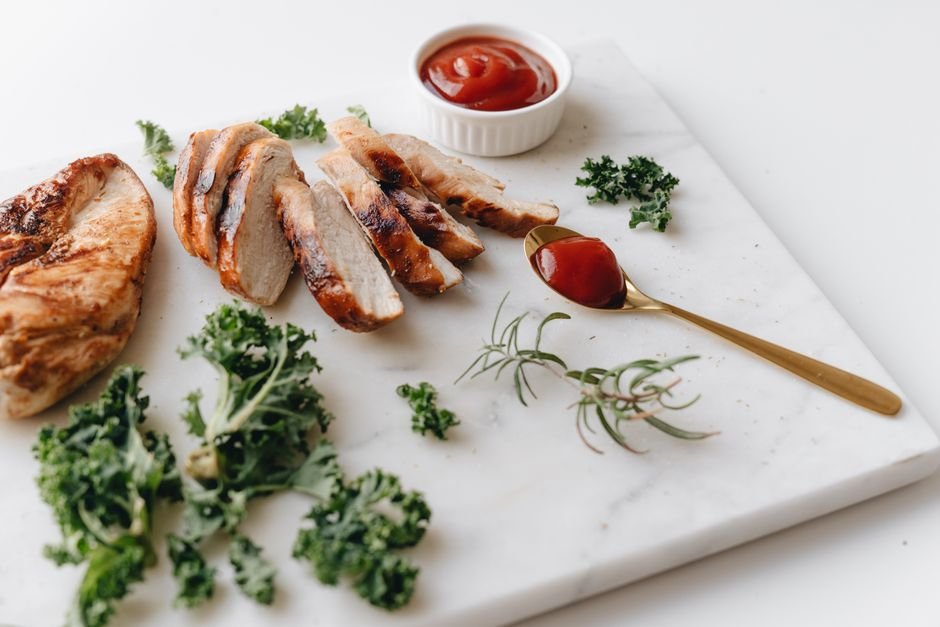
Is Ketchup Good for Weight Loss?
Ketchup itself won’t cause weight gain, but it’s easy to overuse. One tablespoon is genuinely small—most people apply at least 2–3 tablespoons to a meal. That turns a negligible 16 calories into 48–50 calories, plus 10+ grams of sugar. The bigger issue is that ketchup is calorie-dense relative to its nutritional benefit; it adds sweetness, sodium, and flavor but no satiety. People who eat ketchup-laden meals often consume more total calories because the sugar triggers cravings without providing fullness. For weight loss, ketchup works best as a measured accent, not a dip.
Tips to Eat Ketchup Without Gaining Weight
- Measure with a spoon: Use 1–2 tablespoons maximum per meal, not free-pour from the bottle. This simple habit alone cuts ketchup intake by 50–70%.
- Switch to low-sugar versions: If you eat ketchup frequently, low-sugar ketchup reduces sugar by 90% and saves subtle calories over time.
- Pair with protein and fiber: Eat ketchup with foods that slow sugar absorption—eggs, beans, vegetables, or whole grains. This prevents the rapid blood sugar spike and subsequent energy crash that leads to snacking.
- Use condiment alternatives for variety: Swap ketchup for mustard (3 calories, no sugar), salsa (5 calories, less sodium), or hot sauce. This prevents monotony and reduces calorie/sugar intake without sacrificing flavor.
The bottom line: ketchup won’t sabotage weight loss if you use it consciously. The problem is unconscious consumption—the squeeze-bottle-onto-fries approach that turns a 200-calorie meal into 250+ calories plus a sugar spike.
How Portion Size Affects Calories
Ketchup’s calorie density is deceptive because the serving size is small. Most people underestimate how much they use, which is why understanding portion math matters. A single tablespoon looks tiny, so it’s psychologically easy to double or triple without thinking. The jump from 1 to 3 tablespoons is only 30 calories on paper, but it triples the sugar intake and adds 500mg of sodium—about a quarter of your daily limit from a condiment.
Example:
- Small portion (1 tablespoon): 16 calories, 3.6g sugar, 167mg sodium
- Large portion (4 tablespoons): 64 calories, 14.4g sugar, 668mg sodium
Measured portions matter more with condiments than whole foods because serving sizes are easy to misjudge and compound across multiple meals.
Best Way to Measure Ketchup Accurately
The bottle cap or squeeze-bottle nozzle is not a measurement tool—it teaches poor portion control. If you’re tracking calories or sodium, especially for health reasons, a kitchen scale or measuring spoon is essential. Most people who think they use “a little ketchup” are actually using double or triple their intended amount, purely because gravity and squeezable bottles encourage liberal application.
Options:
- Digital kitchen scale: Place a small bowl on the scale, zero it, and add ketchup until it reads 17g (one tablespoon). Most accurate method for consistent portions.
- Measuring spoons: Use a standard 15ml tablespoon or 5ml teaspoon. Cheap, simple, and portable if you eat ketchup at restaurants.
- Squeeze bottles with measurement markings: Some premium condiment brands sell bottles with side labels marking standard servings. Less precise than a scale but better than free-pouring.
Calculate Your Exact Calorie Intake
If ketchup is a regular part of your diet, tracking its cumulative impact matters. Eating ketchup three times a week seems minor, but it adds up to 48 calories, 36g sugar, and 1.67g sodium weekly—unnoticed calories that contribute to weight gain and blood pressure creep. A free AI nutrient calculator helps you see exactly where ketchup and other small-calorie foods fit into your daily macros.
Our site offers a free nutrient and calorie calculator that analyzes your complete food intake, portion sizes, and nutritional balance in seconds. Instead of guessing whether ketchup “matters,” you’ll see real numbers for your specific meals and goals.
- Calculate exact macros for your meals, including condiments, without manual math
- Track hidden calories and sugar across all your foods, not just the obvious ones
- Adjust portions in real-time to stay on target for weight loss, muscle gain, or health management
Use the free calculator now to see your complete nutritional picture.
Common Mistakes When Eating Ketchup
Most people make predictable errors with ketchup that quietly sabotage their nutrition goals. Here are the four most common pitfalls:
❌ Pouring straight from the bottle without measuring: This is the #1 mistake. A “light squeeze” often delivers 2–3 tablespoons without you realizing it. Always measure with a spoon or scale if you’re tracking calories.
❌ Forgetting to count ketchup’s calories at all: Because ketchup is a condiment, people often skip it entirely when logging food. Those 50–80 calories per meal, multiplied across a week, become unaccounted weight gain.
❌ Choosing regular over low-sugar without reason: If you eat ketchup more than twice weekly, regular ketchup’s sugar content is worth reconsidering. Low-sugar versions taste almost identical now and save you 90% of the sugar per serving.
❌ Using ketchup to mask bland, low-calorie foods instead of seasoning them better: Many people add ketchup to plain chicken or vegetables because they’re boring, then end up eating more sugar than needed. Invest 2 minutes in seasoning with spices, citrus, or better condiments—your palate and waistline both improve.
The pattern is clear: ketchup mistakes aren’t about the condiment itself, but about lack of awareness and measurement.
FAQ
How many calories are in 100g of ketchup?
One hundred grams of standard ketchup contains approximately 94 calories. Most people never eat 100g in one sitting—that’s nearly 6 tablespoons—but this figure helps if you’re measuring ketchup by weight or comparing brands on a per-gram basis.
Is ketchup fattening?
Ketchup is not inherently fattening because it contains almost zero fat. However, it’s high in sugar and easy to overuse, which can contribute to weight gain when combined with calorie-dense foods like fries or burgers. The real issue is overconsumption, not fat content.
Does ketchup have any nutritional benefits?
Ketchup contains lycopene, an antioxidant from tomatoes that supports heart and prostate health. It also provides small amounts of potassium and vitamin C. However, the added sugars and sodium in ketchup offset most of these benefits, especially in quantity. Fresh tomato sauce offers similar benefits with fewer downsides.
Can I eat ketchup on a low-carb or keto diet?
Regular ketchup is too high in sugar (3.6g per tablespoon) for strict keto or very low-carb diets. Low-sugar ketchup, with less than 1g carbs per tablespoon, works on keto when used sparingly, though some people avoid it entirely to keep net carbs minimal. Check the label for your chosen brand.
Conclusion
Ketchup is a low-calorie condiment in isolation—just 16 calories and minimal fat per tablespoon—but its high sugar content, easy overuse, and high sodium make it worth measuring and monitoring. Whether you’re managing weight, blood sugar, sodium intake, or simply being more intentional about your diet, understanding ketchup’s exact nutritional profile prevents it from becoming a hidden source of added sugar and calories. Regular ketchup vs. low-sugar ketchup is a meaningful choice if you eat ketchup frequently; the swap takes 30 seconds and eliminates most of the sugar without sacrifice.
The best approach is honest portion control: measure with a spoon, consider low-sugar versions if ketchup is a dietary staple, and pair it with whole foods that provide fiber and protein. If you want to be truly sure ketchup fits your goals, use a reliable **calorie and nutrition calculator** to track your complete intake rather than guessing. Small condiments add up quickly, and precision beats estimation every time.
