
Lamb is a nutrient-dense red meat consumed widely across the Middle East, Mediterranean, and parts of Europe. It’s a popular choice for people building muscle, managing protein intake, and seeking high micronutrient density—particularly iron and B vitamins. However, calorie and fat content vary significantly depending on the cut and trimming level.
If you’re tracking calories for weight loss, muscle gain, or general nutrition planning, understanding lamb’s caloric breakdown is essential. This article covers calorie counts for common lamb cuts, full nutrition facts, and practical tips for incorporating lamb into a balanced diet.
Calories in Lamb (Quick Answer)
Calorie content depends on the cut and preparation method. Here are typical values for cooked lamb:
- Lamb shoulder (roasted, 3 oz/85g): 240 calories
- Lamb loin (broiled, 3 oz/85g): 180 calories
- Lamb ground (cooked, 3 oz/85g): 215 calories
Calorie counts vary significantly based on visible fat content, cooking method, and whether skin/fat has been trimmed. Leaner cuts and trimmed portions contain substantially fewer calories.
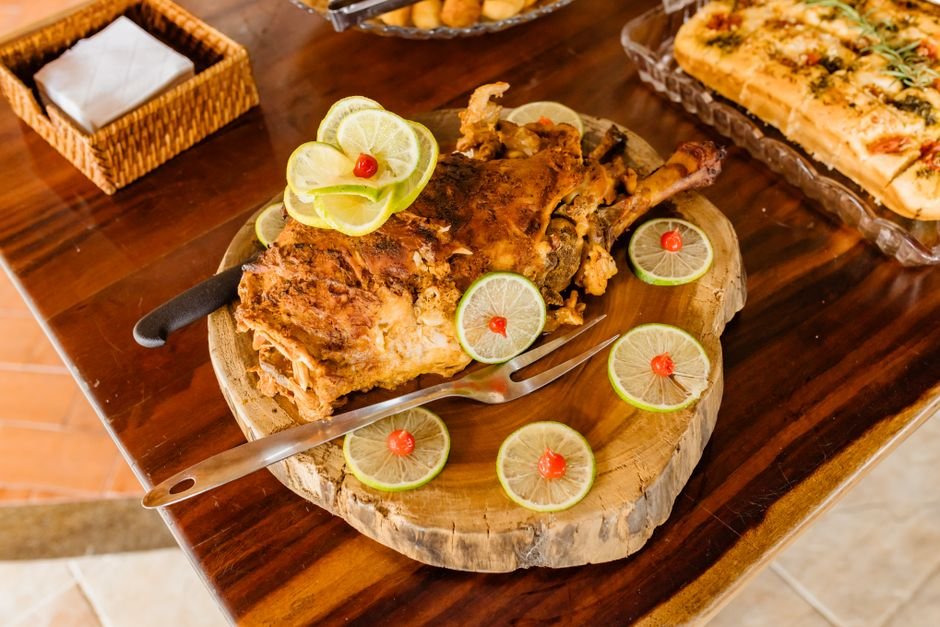
Full Nutrition Facts for 3 oz (85g) of Cooked Lamb Loin
This reference serving represents a typical cooked lamb loin portion—a leaner cut that’s commonly available. Values below reflect USDA FoodData Central data for lamb loin, broiled, with separable fat.
| Nutrient | Amount | % Daily Value |
|---|---|---|
| Calories | 180 | 9% |
| Total Fat | 8g | 10% |
| Saturated Fat | 3g | 15% |
| Cholesterol | 73 mg | 24% |
| Sodium | 57 mg | 2% |
| Total Carbohydrate | 0g | 0% |
| Dietary Fiber | 0g | 0% |
| Total Sugars | 0g | — |
| Protein | 25g | 50% |
| Iron | 1.6 mg | 9% |
| Zinc | 5.2 mg | 47% |
| Vitamin B12 | 2.1 mcg | 87% |
*Percent Daily Values are based on a 2,000-calorie diet. Source: USDA FoodData Central.
Key insight: A single 3 oz serving of lamb loin delivers nearly half the daily protein requirement and nearly 87% of the daily B12 allowance—making lamb an exceptionally nutrient-dense choice for energy metabolism and nervous system health. The fat content remains modest for a red meat, especially when the meat is trimmed of visible separable fat.
Etekcity Food Scale
0.1g accuracy — the perfect companion for exact portions.
Lamb with Visible Fat vs. Lean Trimmed Lamb
The calorie difference between untrimmed and trimmed lamb is substantial. Here’s how the same cut compares:
Lamb with Visible Fat (Untrimmed)
- Lamb shoulder (untrimmed, 3 oz/85g): 320 calories
- Higher saturated fat and cholesterol per serving
- More satisfying flavor and texture from marbling
Lean Trimmed Lamb
- Lamb loin (trimmed, 3 oz/85g): 180 calories
- 25g protein with 8g total fat
- Better choice for calorie-conscious diets and cardiovascular health
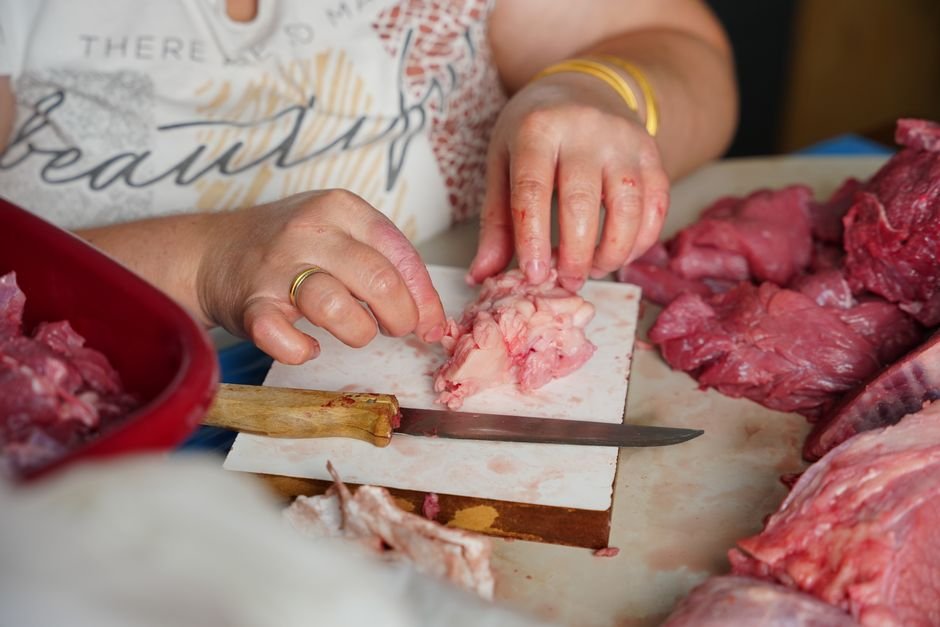
Practical takeaway: If you’re tracking calories, purchasing lamb cuts sold as “lean” or actively trimming visible fat before cooking can reduce calorie intake by 30–40% compared to untrimmed portions. Broiling and grilling—rather than pan-frying in oil—further reduce calorie density without sacrificing protein gains.
Is Lamb Good for Weight Loss?
Lamb can support weight loss when portioned appropriately and cooked without added oil. Its high protein content (25g per 3 oz) promotes satiety and preserves lean muscle during calorie restriction. However, lamb’s fat content is higher than some alternatives (chicken, fish), so portion size matters more than with poultry. The key is choosing leaner cuts and trimming visible fat.
Tips to Eat Lamb Without Gaining Weight:
- Choose lean cuts: Loin, leg, and sirloin contain fewer calories than shoulder and ribs.
- Trim visible fat: Remove fat before cooking; this can reduce calories by 20–30%.
- Use dry-heat cooking: Broil, grill, or roast instead of pan-frying in oil.
- Control portion size: Stick to 3–4 oz (85–115g) servings and pair with non-starchy vegetables.
Eaten this way, lamb is a nutrient-dense, satisfying protein that fits easily into calorie-controlled diets. Its micronutrient profile—especially zinc and B12—makes it superior to many lower-calorie animal proteins in terms of overall nutritional return.
How Portion Size Affects Calories
Lamb’s calorie density is high relative to volume, so small changes in portion size add up quickly. A 1 oz increase in serving size adds approximately 60–75 calories, depending on the cut and fat content. Understanding standard portions prevents unintended calorie overages.
Example:
- Small portion (3 oz/85g): 180 calories (loin, trimmed)
- Large portion (6 oz/170g): 360 calories—double the calories, but easy to consume without tracking
Using a kitchen scale to weigh lamb ensures accurate calorie counting, especially important for those in a calorie deficit.
Best Way to Measure Lamb Accurately
Accurate measurement is essential for calorie tracking. Lamb’s appearance can be deceptive—a 6 oz portion may look smaller than the same weight of chicken due to marbling and fat distribution. Weighing before cooking (when possible) or after cooking provides the most reliable data for nutritional logging.
Options:
- Digital kitchen scale: Weigh raw meat and adjust for water loss during cooking (typically 20–25%), or weigh cooked meat directly.
- USDA serving size reference: One serving = 3 oz cooked meat, roughly the size of a deck of cards or a closed fist.
- Nutrition tracking app: Log the specific cut name and preparation method for the most accurate database match.
Calculate Your Exact Calorie Intake
If you’re eating lamb regularly or planning meals around specific calorie and macronutrient targets, calculating your exact intake is crucial. Different cuts, cooking methods, and accompaniments change the complete nutritional picture far beyond just calories.
Our free AI nutrients calculator can help you quickly assess the total calories, protein, fat, and micronutrients in lamb dishes—including marinades, oils, and side components. Simply enter your portion size and cooking method, and get a detailed breakdown in seconds.
- Instantly see calorie and macro breakdown for your exact serving size
- Compare different cuts and cooking methods side by side
- Plan weekly meals with accurate nutritional data
Use our free nutrients calculator →
Common Mistakes When Eating Lamb
Many people unknowingly inflate their calorie intake when eating lamb. Here are the most frequent errors:
❌ Not trimming visible fat before cooking, adding 80–120 extra calories per serving.
❌ Cooking lamb in oil or butter without accounting for that fat in calorie counts (adds 40+ calories per tablespoon).
❌ Confusing different cuts—thinking a shoulder cut has the same calories as a loin cut (difference can be 60–100 calories).
❌ Eyeballing portions instead of weighing, leading to 1.5–2x larger portions than intended.
Using a scale and checking the specific cut name during purchase prevents these mistakes.
FAQ
How many calories are in 100g of lamb?
A 100g portion of cooked lamb loin (trimmed) contains approximately 211 calories. Ground lamb or shoulder cuts can reach 250–280 calories per 100g depending on fat content.
Is lamb fattening?
Lamb is higher in calories and fat than chicken or fish, but not inherently “fattening.” Weight gain depends on total calorie intake relative to expenditure. Lean cuts, portion control, and regular physical activity make lamb a sustainable protein choice even in a weight loss plan.
Does cooking method affect lamb’s calories?
The meat itself retains the same calories whether grilled or roasted, but dry-heat methods (broiling, grilling) avoid adding oil, while pan-frying can add 40–80 calories per serving. Braising or stewing in fatty broths also increases total calories.
Is lamb a good source of protein?
Yes—3 oz of lamb provides 25g of protein, making it an excellent choice for muscle building and satiety. The protein-to-calorie ratio is favorable compared to fattier cuts of beef or pork.
Conclusion
Lamb is a nutrient-dense, protein-rich meat that supports weight loss and muscle building when portioned appropriately and cooked without excess oil. A 3 oz serving of lean lamb loin delivers 25g of protein, essential micronutrients like B12 and zinc, and only 180 calories. Choosing leaner cuts, trimming visible fat, and using dry-heat cooking methods all reduce calorie density without sacrificing flavor or nutrition.
If you’re tracking calories or managing a specific diet, accuracy matters. Weigh your portions, log the cut name in your nutrition tracker, and—for complex dishes—use a **reliable nutrients calculator** to ensure you’re hitting your daily targets without guesswork.
