
Millet is an ancient grain crop cultivated for thousands of years across Africa, Asia, and India, where it remains a dietary staple for millions. It’s gaining popularity in Western health-conscious diets as a gluten-free alternative to wheat and rice, appealing to those managing blood sugar, seeking whole grains, or avoiding common allergens. Whether you’re building muscle, managing weight, or simply looking for nutrient-dense carbohydrates, understanding millet’s caloric and nutritional profile is essential.
How many calories are in millet? The answer depends on serving size, whether it’s raw or cooked, and the specific variety. This guide covers millet’s complete nutrition facts, portion strategies, and practical guidance for incorporating it into your diet effectively.
Calories in Millet (Quick Answer)
Here’s a quick breakdown of millet calories for common serving sizes:
- 1 cup raw millet (200g): approximately 750 calories
- 1 cup cooked millet (174g): approximately 207 calories
- ½ cup uncooked millet (100g): approximately 378 calories
Calorie counts vary based on the millet variety (proso, finger, foxtail) and moisture content. Raw millet is calorie-dense; cooking expands the grain with water, which dilutes calories per cup.
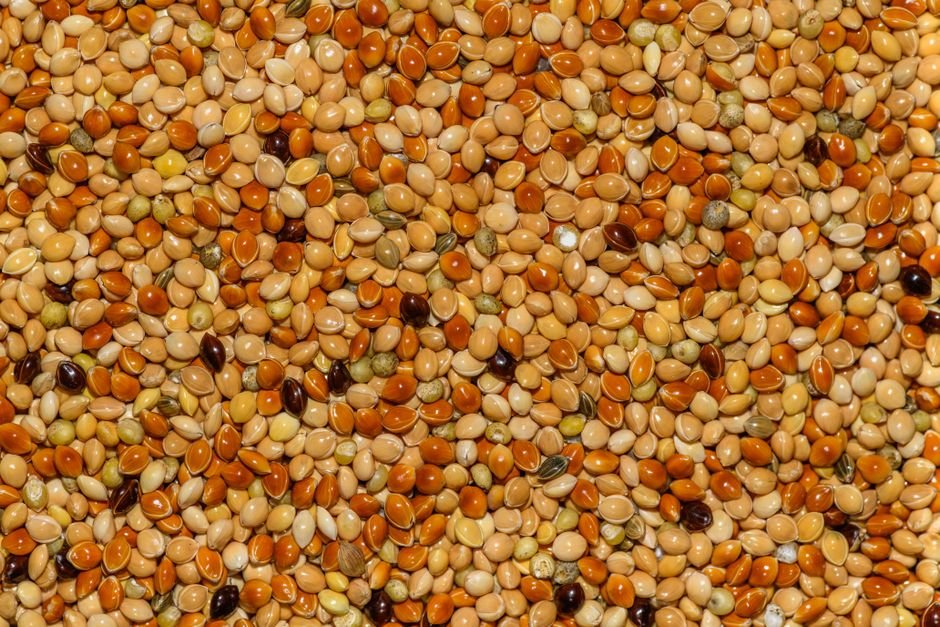
Full Nutrition Facts for 1 Cup Cooked Millet (174g)
Here’s the complete nutritional breakdown of a standard serving of cooked millet, based on USDA data:
| Nutrient | Amount | % Daily Value |
|---|---|---|
| Calories | 207 | — |
| Total Fat | 1.8g | 2% |
| Saturated Fat | 0.3g | 2% |
| Cholesterol | 0mg | 0% |
| Sodium | 3mg | <1% |
| Total Carbohydrate | 41g | 15% |
| Dietary Fiber | 2.3g | 9% |
| Total Sugars | 0.3g | — |
| Protein | 6.3g | 13% |
| Magnesium | 76mg | 18% |
| Phosphorus | 200mg | 16% |
| Manganese | 0.48mg | 21% |
*Percent Daily Values are based on a 2,000-calorie diet. Source: USDA FoodData Central.
Key insight: Millet is remarkably low in sodium and contains zero cholesterol, making it an excellent grain choice for blood pressure management. Its manganese content (21% DV per cup cooked) supports bone health and metabolic function, while the magnesium aids muscle relaxation and nerve function. The 2.3g of fiber per cooked cup is modest but meaningful for digestive health without causing bloating.
Etekcity Food Scale
0.1g accuracy — the perfect companion for exact portions.
Raw Millet vs. Cooked Millet: Calorie and Nutrient Comparison
Preparation method dramatically changes millet’s caloric density and nutritional impact. Here’s how raw and cooked millet differ:
Raw Millet Grains
- 1 cup (200g) contains ~750 calories — highly concentrated
- Minimal water content; nutrients are compact and dense
- Longer shelf life; requires cooking before eating
Cooked Millet
- 1 cup (174g) contains ~207 calories — water absorption reduces caloric density by 73%
- More digestible; easier nutrient absorption and satiety
- Best consumed fresh; can be refrigerated up to 3–4 days
Practical takeaway: If you’re tracking calories, always measure millet in its final cooked state. Raw grain weights are misleading for meal planning because cooking roughly triples the volume while actual calories change minimally. One cup of uncooked millet yields approximately 3 cups of cooked grain. For weight loss and portion control, measure post-cooking portions.
Is Millet Good for Weight Loss?
Yes, millet can support weight loss when portion-controlled. At 207 calories per cooked cup, it’s lower in calories than rice (206 calories per cooked cup, similar) but offers superior fiber and protein content. The 6.3g of protein and 2.3g of fiber promote satiety, reducing overall calorie intake throughout the day. Millet’s low glycemic index (GI ~68–71) means it doesn’t spike blood sugar rapidly, helping prevent hunger crashes and cravings. The key is treating it as a measured grain portion, not an unlimited side dish.
Tips to Eat Millet Without Gaining Weight:
- Measure cooked portions: Limit to ½–¾ cup cooked millet per meal (100–130 calories) paired with protein and vegetables
- Pair with fiber and protein: Combine with legumes, leafy greens, or lean meat to maximize satiety without extra calories
- Avoid added fats: Cook millet in water or low-sodium broth instead of butter or oil to keep calories low
- Use as a salad base: Mix cooled millet into grain bowls with raw vegetables and a light vinaigrette instead of eating warm with cream sauces
When eaten with intention, millet becomes a weight-loss-friendly carbohydrate that stabilizes energy and supports long-term adherence to a calorie-controlled diet.
How Portion Size Affects Calories
Millet’s caloric contribution to your meal scales directly with portion size. Many people underestimate how much cooked millet they’ve consumed because its light, fluffy texture makes large portions seem smaller. A 1-cup serving can easily expand into multiple servings if not pre-measured, which is why tracking millet by cup or weight is critical for calorie awareness.
Example:
- Small portion (½ cup cooked): 103 calories, 3.2g protein, 20.5g carbs—suitable as a side dish
- Large portion (1.5 cups cooked): 311 calories, 9.5g protein, 61.5g carbs—a full grain main course
The difference between a small and large portion is 208 calories—equivalent to a full meal for some diets. Weighing portions or using a measuring cup prevents accidental overconsumption.
Best Way to Measure Millet Accurately
Accurate measurement is essential for calorie tracking and consistent meal planning. Millet’s small grain size and tendency to compress in bags mean volume measurements can vary by 10–15% depending on how tightly it’s packed. For reliable results, combine multiple measurement methods tailored to your cooking workflow.
Options:
- Kitchen scale (most accurate): Weigh raw millet at 100g increments before cooking. Cooked millet typically weighs 3–3.5x its raw weight. This is the most precise method for calorie tracking.
- Measuring cup (convenient): Use a dry measuring cup for raw millet and a liquid measuring cup for cooked millet. Level off with a knife to ensure consistency.
- Hand portion guide: One open palm of cooked millet ≈ ½ cup (100 calories). Useful for quick estimations without tools.
Calculate Your Exact Calorie Intake
If you’re eating millet regularly and want to align your portions precisely with your daily calorie goals, calculating your personal intake based on body weight, activity level, and dietary targets is invaluable. Generic calorie counts don’t account for your individual needs—a 130-lb person and a 210-lb person have vastly different calorie budgets even at the same activity level.
Our free AI nutrients calculator makes this simple. Enter your millet portion size, daily meals, and other foods, and get an instant breakdown of calories, macronutrients, and micronutrients tailored to your goals. Visit the nutrient calculator to start tracking millet and other foods in your diet.
- Personalized calorie and macro recommendations based on your goals
- Real-time tracking across all foods in a meal or day
- Nutrient insights to identify dietary gaps or excesses
Common Mistakes When Eating Millet
Even nutritious foods like millet can undermine health goals when eaten without awareness. Here are the most common pitfalls:
❌ Cooking with excess oil or butter: Adding 1–2 tablespoons of fat while cooking millet increases a 207-calorie cup to 370+ calories without adding satiety. Cook in water or broth instead.
❌ Confusing raw and cooked weights: Measuring a cup of raw millet (750 calories) and thinking you’ve consumed a 200-calorie portion. Always measure post-cooking for accuracy.
❌ Pairing millet with high-calorie sauces: A plain cooked cup is modest in calories, but drowning it in creamy dressings, cheese, or fried toppings can double or triple the caloric impact.
❌ Eating millet as an unlimited side: Treating millet like a free vegetable and refilling your bowl without tracking portions. It’s a grain carbohydrate with real caloric impact and should be portioned like rice or quinoa.
Awareness of these common errors ensures millet remains a helpful, health-supporting grain rather than an accidental source of excess calories.
FAQ
How many calories are in 100g of millet?
Raw millet contains approximately 378 calories per 100g. Cooked millet (about 100g after cooking from 30–35g raw) contains roughly 119 calories, depending on the water-to-grain ratio used during cooking.
Is millet fattening?
No, millet itself is not fattening when eaten in appropriate portions. At 207 calories per cooked cup with 6.3g protein and 2.3g fiber, it’s a balanced grain that supports weight loss when paired with vegetables and protein. Problems arise only when portions are excessive or millet is prepared with added fats.
Does millet contain gluten?
No, millet is naturally gluten-free, making it an excellent grain option for people with celiac disease or non-celiac gluten sensitivity. It’s one of the safest grain choices for gluten-free diets and is well-tolerated by most people.
What is the best way to cook millet to retain nutrients?
Boil millet in a 1:2.5 grain-to-water ratio (1 cup millet to 2.5 cups water) for 15–20 minutes until fluffy and tender. Boiling is preferable to roasting because it preserves B vitamins and mineral content. Avoid excessive water draining, which removes water-soluble nutrients.
Conclusion
Millet is a nutrient-dense, low-sodium grain that supports weight loss, blood sugar stability, and long-term dietary adherence. At 207 calories per cooked cup with substantial protein (6.3g) and fiber (2.3g), it outperforms many popular grains in nutritional density. Its gluten-free status, manganese content, and minimal sugar make it ideal for diverse dietary goals—from diabetes management to athletic performance.
Success with millet depends on accurate measurement and mindful preparation. Always measure cooked portions, avoid added fats, and pair millet with vegetables and protein for balanced meals. For personalized guidance on fitting millet into your calorie and nutrient targets, use a **reliable nutrient calculator** to track your actual intake and adjust portions based on your goals.
