
Pepperoni is one of the most popular cured meats in North America, especially in pizza topping contexts, but also as a deli meat and snack. Whether you’re enjoying a slice of pepperoni pizza, building a charcuterie board, or snacking straight from the package, understanding pepperoni’s calorie and nutrient content matters for informed eating—particularly if you’re managing weight, tracking sodium intake, or monitoring saturated fat consumption.
But the question many people ask is simple: how many calories are in pepperoni? The answer depends on portion size and preparation, but this guide covers the exact numbers, nutrition facts, and practical tips for fitting pepperoni into a balanced diet.
Calories in Pepperoni (Quick Answer)
Pepperoni is a calorie-dense processed meat, with most calories coming from fat.
- 1 ounce (28g, about 15 slices): 140 calories
- 10 slices (18g): 95 calories
- 1 cup (diced, 149g): 715 calories
Calorie content varies slightly by brand and fat content—some brands are leaner than others, and beef pepperoni may differ from pork/beef blends.
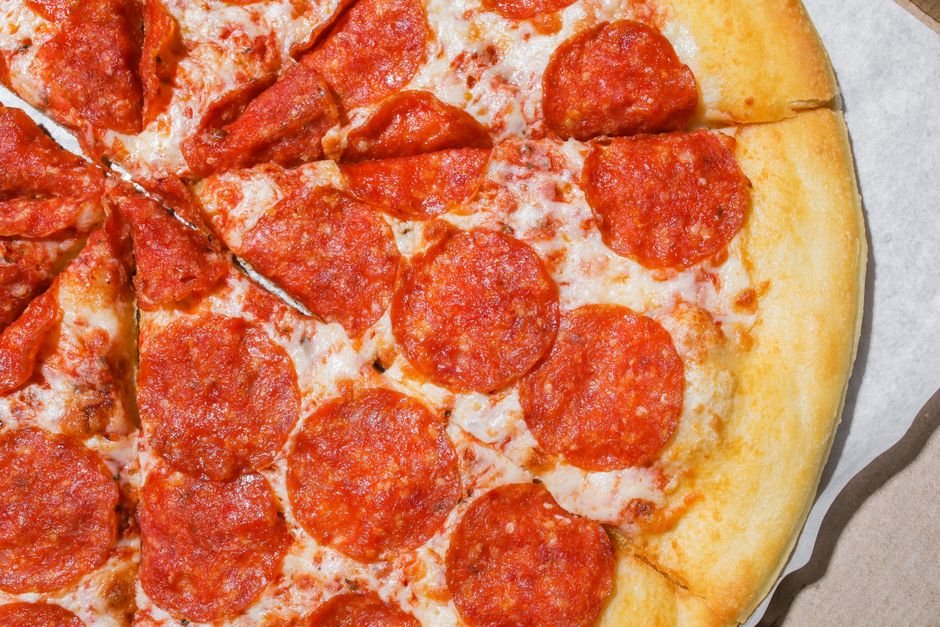
Full Nutrition Facts for 1 Ounce (28g) of Pepperoni
Here’s the complete nutritional breakdown for a standard 1-ounce serving of pepperoni, typical of what you’d find on a pizza or charcuterie board:
| Nutrient | Amount | % Daily Value |
|---|---|---|
| Calories | 140 | 7% |
| Total Fat | 12g | 15% |
| Saturated Fat | 4.6g | 23% |
| Cholesterol | 26mg | 9% |
| Sodium | 511mg | 22% |
| Total Carbohydrate | 0.5g | <1% |
| Dietary Fiber | 0g | 0% |
| Total Sugars | 0.2g | 0% |
| Protein | 6g | 12% |
| Vitamin C | 0mg | 0% |
| Iron | 0.3mg | 2% |
| Sodium | 511mg | 22% |
*Percent Daily Values are based on a 2,000-calorie diet. Source: USDA FoodData Central.
Key insight: Pepperoni is extremely high in saturated fat and sodium—a single ounce delivers nearly one-quarter of your daily sodium limit and almost one-quarter of the saturated fat daily value. The protein content (6g per ounce) is meaningful, but the fat-to-protein ratio makes pepperoni more of a calorie-dense condiment than a protein source. This is particularly important to note if you have hypertension, heart disease, or are managing sodium intake for health reasons.
Etekcity Food Scale
0.1g accuracy — the perfect companion for exact portions.
Thin-Sliced vs. Thick-Cut Pepperoni
The cut thickness significantly impacts both the visual appeal and the nutritional load per serving. Understanding the difference helps you make intentional choices.
Thin-Sliced Pepperoni
- Lighter weight per slice (approximately 0.5g per slice)
- More slices per ounce (roughly 30 slices vs. 15 for thick-cut)
- Lower calories and sodium per individual slice, but easier to over-consume
Thick-Cut Pepperoni
- Heavier weight per slice (approximately 1.5–2g per slice)
- Fewer slices per ounce (around 8–10 slices)
- More satisfying per serving, naturally portion-controlled by the larger piece size
Practical takeaway: If you’re watching portions, thick-cut pepperoni may be the smarter choice because fewer, more substantial slices feel more satisfying and are harder to mindlessly overconsume. Thin-sliced varieties are easier to pile on, which can quietly double your calorie and sodium intake without the visual cue that you’ve eaten more.
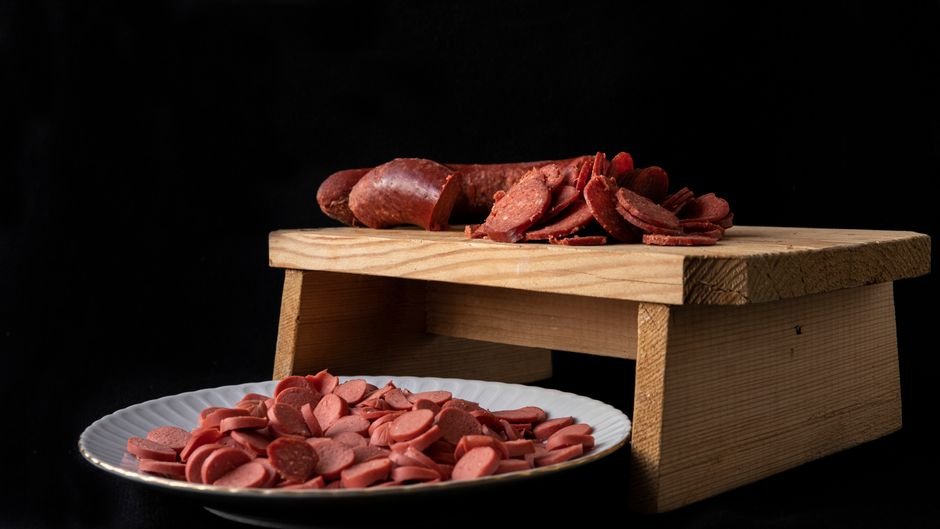
Is Pepperoni Good for Weight Loss?
Pepperoni is not an ideal weight-loss food due to its high calorie density (140 calories per ounce) and minimal satiety value. A small handful of pepperoni slices can easily add 200+ calories with minimal nutrition benefit beyond protein. However, pepperoni can fit into a weight-loss plan if portioned carefully and used more as a flavor accent than a main component. The key is treating it like a condiment—a topping or flavoring agent—rather than a standalone snack.
Tips to Eat Pepperoni Without Gaining Weight:
- Measure out a single ounce (about 15 slices) and store the rest out of sight to prevent mindless snacking
- Pair pepperoni with vegetables (olives, peppers, tomatoes) or whole-grain crackers to increase fiber and satiety without doubling the calorie load
- Use pepperoni as a pizza topping flavor boost rather than the main ingredient—go light on the pepperoni and heavy on vegetables
- Choose occasions to enjoy pepperoni rather than making it a daily habit; reserve it for charcuterie boards, special meals, or occasional pizza nights
When consumed in controlled portions and infrequent servings, pepperoni can absolutely coexist with a weight-loss goal. The challenge lies in treating it with the restraint it demands.
How Portion Size Affects Calories
Pepperoni’s calorie density means small portion adjustments have meaningful impact. Moving from a standard pizza slice (typically 2–3 slices of pepperoni, or ~0.75 ounces) to a generous handful (1.5 ounces) nearly doubles your calorie intake from pepperoni alone, not counting the pizza base. This is why visual portion awareness matters so much with cured meats.
Example:
- Small portion (10 slices / 18g): 95 calories, 305mg sodium
- Large portion (1 ounce / 28g): 140 calories, 511mg sodium
That 48% increase in calories happens with barely a noticeable difference in how much pepperoni “looks” like you’ve added to your plate—a cautionary tale in the world of processed meats.
Best Way to Measure Pepperoni Accurately
Because pepperoni slices vary in thickness and weight, counting slices alone is imprecise. A kitchen scale is the gold standard for accuracy, especially if you’re tracking calories or sodium closely for health reasons. If you don’t have a scale, visual comparison or a simple counting method can work, but expect a margin of error.
Options:
- Digital kitchen scale: Weigh pepperoni to the gram for exact nutrition tracking (fastest and most accurate method)
- Volume measurement: Use a measuring cup to portion diced pepperoni; 0.25 cup ≈ approximately 35 calories
- Slice counting: For thin-sliced pepperoni, roughly 15 slices ≈ 1 ounce; for thick-cut, roughly 8 slices ≈ 1 ounce (least accurate but practical for rough estimates)
Calculate Your Exact Calorie Intake
Tracking pepperoni intake manually is tedious, especially when it’s one component of a meal (pizza, sandwich, board). If you’re managing weight, a specific health condition, or just curious about your total daily nutrition, a calorie and nutrient calculator saves time and improves accuracy.
Our free AI-powered nutrients calculator lets you search pepperoni (or any food), input your exact portion size, and instantly see calories, protein, sodium, saturated fat, and micronutrients. No signup required, and results sync across all your meals for the day.
- Instantly calculate calories for any portion size—not just standard servings
- Track sodium, saturated fat, and protein in one place across all your meals
- Get personalized daily totals to compare against your dietary goals
Common Mistakes When Eating Pepperoni
Even health-conscious eaters often underestimate pepperoni’s caloric impact. Here are the most common pitfalls:
❌ Assuming a “sprinkle” of pepperoni is negligible—a small handful (0.5 ounces) still adds 70 calories and 250mg of sodium, easily missed when you’re not measuring.
❌ Counting pizza slices without accounting for the pepperoni topping separately—a pepperoni pizza slice (with toppings) can be 250–350 calories, and the pepperoni itself contributes 50–100 of those calories.
❌ Eating pepperoni straight from the package as a snack without portioning first—it’s incredibly easy to consume 3–4 ounces (420–560 calories) before realizing how much you’ve eaten.
❌ Choosing pepperoni pizza over vegetable-heavy pizzas, ignoring that you could have the same amount of food for 100–150 fewer calories if you swapped pepperoni for grilled vegetables.
None of these mistakes are catastrophic in isolation, but they compound over time, especially if pepperoni appears in your diet multiple times per week.
FAQ
How many calories are in 100g of pepperoni?
A 100-gram serving of pepperoni contains approximately 495–510 calories, depending on the brand and fat content. This is roughly 3.5 ounces or a large handful, and would provide about 1,000mg of sodium and 18–20g of fat.
Is pepperoni fattening?
Pepperoni is calorie-dense and high in saturated fat, making it easy to overconsume without realizing the impact. In small, measured portions (under 1 ounce per serving), pepperoni can fit into a weight-maintenance or weight-loss diet. However, frequent, unmeasured consumption is very likely to contribute to weight gain.
How much sodium is in pepperoni?
A single ounce of pepperoni contains approximately 511mg of sodium, which is 22% of the recommended daily limit (2,300mg). For anyone managing hypertension or following a low-sodium diet, pepperoni should be an occasional food, not a regular staple.
Does the brand of pepperoni affect the calories?
Yes, different brands vary in fat content, size of slices, and sodium levels. Some “reduced-fat” pepperoni options contain 100–120 calories per ounce instead of 140, and lower-sodium varieties exist, but they’re less common. Always check the label for your specific brand.
Conclusion
Pepperoni is a high-calorie, high-sodium processed meat that deserves measured consumption. At 140 calories, 12g of fat, and 511mg of sodium per ounce, it’s best treated as a flavoring or occasional indulgence rather than a dietary staple. The 6g of protein per ounce offers some nutritional value, but the calorie-to-nutrient ratio makes pepperoni more of a calorie-dense condiment than a meaningful protein source. Whether you’re managing weight, watching sodium, or simply want to understand what you’re eating, being intentional about pepperoni portions pays dividends.
The most practical approach is to measure pepperoni carefully, enjoy it in moderation, and pair it with nutrient-dense foods when you do include it. If tracking nutrition matters to you—whether for weight loss, heart health, or just curiosity—use a **reliable nutrients calculator** to log your actual portions and see how pepperoni fits into your full day of eating. Small awareness habits prevent small portions from becoming large calorie surprises.
