
Red wine is one of the most widely consumed beverages in the world, enjoyed across Mediterranean cultures, wine-producing regions, and casual dining settings globally. Whether you’re sipping it with dinner, at social gatherings, or appreciating it for potential health benefits, understanding its nutritional content matters—especially if you’re tracking calories, managing weight, or making informed dietary choices. Wine consumption is embedded in lifestyle discussions around heart health, moderation, and balanced eating.
But how many calories are actually in red wine? The answer depends on the wine’s alcohol content, residual sugar, and serving size. This guide breaks down the exact calorie counts for common serving sizes, compares wine types, and shows you how to fit red wine into your nutrition goals without derailing your progress.
Calories in Red Wine (Quick Answer)
A standard 5-ounce (150 ml) glass of dry red wine contains approximately 125 calories, nearly all from alcohol and natural grape sugars.
- 5 oz (150 ml) glass of dry red wine: 125 calories
- 5 oz (150 ml) glass of medium red wine: 130–140 calories
- Full 750 ml bottle of red wine (5 glasses): 625 calories
Calorie counts vary slightly depending on grape variety, fermentation method, alcohol content (typically 12–15%), and residual sugar. Cabernet Sauvignon, Merlot, Pinot Noir, and Syrah all cluster around this range.
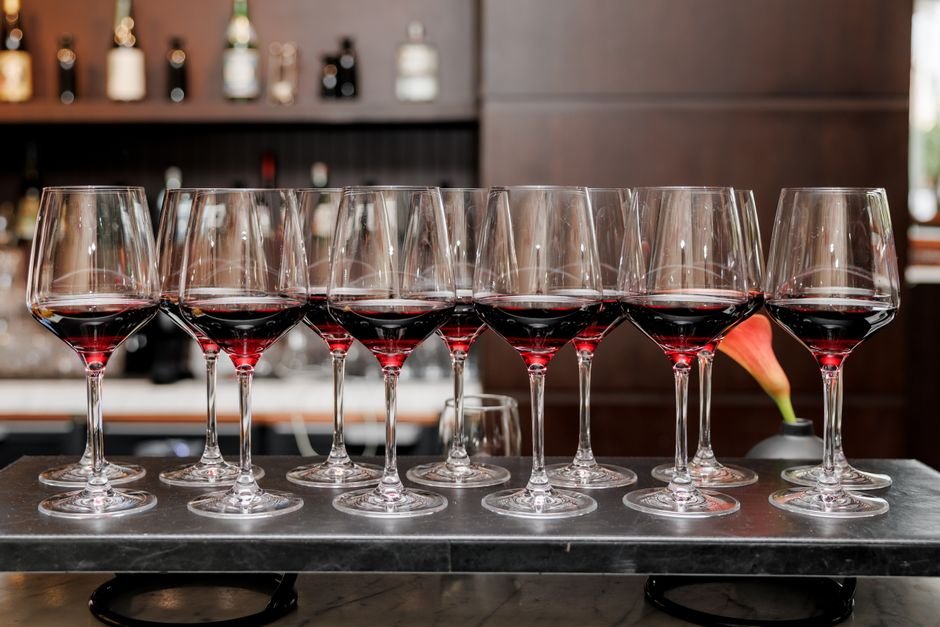
Full Nutrition Facts for 5 oz (150 ml) of Red Wine
Here’s the complete nutritional breakdown for a standard glass of dry red wine. Red wine is primarily water and alcohol, with trace carbohydrates and minerals from the grape solids and aging process.
| Nutrient | Amount | % Daily Value |
|---|---|---|
| Calories | 125 | — |
| Total Fat | 0 g | 0% |
| Saturated Fat | 0 g | 0% |
| Cholesterol | 0 mg | 0% |
| Sodium | 5 mg | <1% |
| Total Carbohydrate | 3.7 g | 1% |
| Dietary Fiber | 0 g | 0% |
| Total Sugars | 0.9 g | — |
| Protein | 0.1 g | <1% |
| Potassium | 187 mg | 5% |
| Manganese | 0.08 mg | 4% |
| Resveratrol | 0.3–0.7 mg | — |
*Percent Daily Values are based on a 2,000-calorie diet. Source: USDA FoodData Central.
Key insight: Red wine is virtually fat-free and contains negligible protein—virtually all its calories come from alcohol (about 11% by volume). The carbohydrate content is minimal because most grape sugars are fermented into alcohol during production. However, red wine contains polyphenols and resveratrol, antioxidant compounds found in grape skins that have been studied for potential cardiovascular benefits. Potassium content is notable for a beverage, supporting heart rhythm and blood pressure regulation.
Etekcity Food Scale
0.1g accuracy — the perfect companion for exact portions.
Light Dry Red Wine vs. Full-Bodied Red Wine
Light Dry Red Wine (Pinot Noir, Grenache)
- Typically 12–13% alcohol; 120–125 calories per 5 oz serving
- Lower tannin levels; lighter color and thinner mouthfeel
- Lower residual sugar (usually <1 g per serving)
Full-Bodied Red Wine (Cabernet Sauvignon, Syrah)
- Typically 14–15% alcohol; 135–150 calories per 5 oz serving
- Higher tannin concentration; deeper color and richer flavor
- Slightly higher residual sugar and extract (1–2 g per serving)
Takeaway: The primary difference is alcohol content. Higher-alcohol wines pack more calories—roughly 25 extra calories for a full-bodied Cabernet versus a light Pinot Noir. If you’re calorie-conscious, choosing lower-alcohol wines or smaller pours saves 5–10 calories per glass without sacrificing enjoyment. Both types contain similar antioxidants.
Is Red Wine Good for Weight Loss?
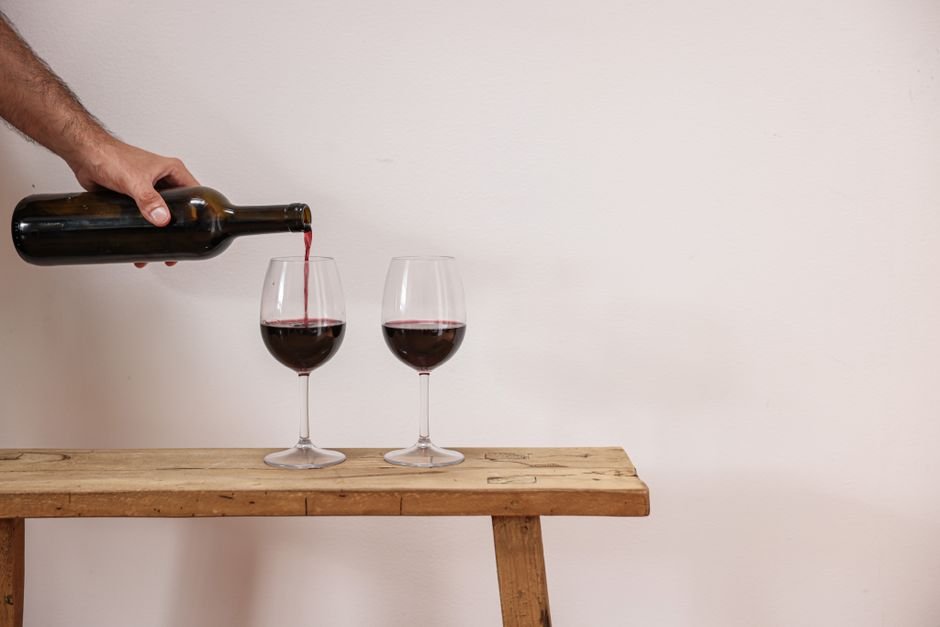
Red wine can fit into a weight-loss plan if consumed mindfully. A single 5-ounce glass is modest in calories and doesn’t derail progress, but the calories add up quickly if you’re not careful about portion size or frequency. The real issue: alcohol can lower inhibitions around food choices and snacking, making it easy to overconsume accompanying snacks or larger portions at meals. Additionally, your body prioritizes burning alcohol as fuel, which can slow fat loss slightly.
Tips to Eat Red Wine Without Gaining Weight:
- Stick to one 5 oz glass per serving — pour a standard serving rather than filling the glass to the brim.
- Pair with protein and fiber — enjoy wine with a meal that includes lean protein, vegetables, or whole grains to slow alcohol absorption and prevent overeating.
- Avoid sugary or dessert wines — fortified wines (Port, Sherry) can contain 150+ calories per 5 oz plus added sugars; stick to dry reds.
- Skip the pre-dinner or standalone wine — consuming wine on an empty stomach increases hunger hormones; always eat with your drink.
Occasional red wine consumption won’t sabotage weight loss if you account for those calories in your daily total and maintain a consistent exercise and nutrition routine. Moderation and awareness are key.
How Portion Size Affects Calories
A single ounce of difference in your pour size directly translates to a proportional calorie change. Many casual pours exceed the standard 5-ounce serving, which is why restaurant wine servings often feel generous. Awareness of your glass size and pour habit is essential for accurate tracking.
Example:
- Small pour (4 oz): 100 calories
- Large pour (6 oz): 150 calories
Switching from a 6-ounce habit to a 5-ounce pour saves 25 calories per glass—or 175 calories per week if you drink daily.
Best Way to Measure Red Wine Accurately
Eyeballing wine pours is notoriously inaccurate; even experienced bartenders overpour. For precise calorie tracking, use a consistent measuring method. A standard wine glass holds 10–12 ounces total, so a 5-ounce serving fills it halfway. Markings on some wine glasses help, but a simple kitchen scale or liquid measuring cup is most reliable.
Options:
- Wine pour spout with measurement markings — attaches to the bottle and shows ounces as you pour.
- Measuring cup or kitchen scale — the most accurate method; red wine weighs approximately 1 g/ml, so 150 ml = 150 g.
- Standard wine glass fill line — fill to the midpoint of a typical 10-ounce wine glass for roughly 5 ounces.
Calculate Your Exact Calorie Intake
If you drink red wine regularly, those calories compound quickly. Someone enjoying two glasses per week adds 250 calories weekly—potentially 13,000 extra calories per year. If you combine wine with other beverages or aren’t tracking, the surplus becomes significant. Want to know exactly how red wine fits into your daily or weekly calorie target?
Use our free AI nutrients calculator to log your wine consumption alongside meals, snacks, and other drinks. It tracks not just calories but carbs, protein, and micronutrients, giving you a complete picture of your intake versus your goals.
- Log serving sizes with precision—no guessing on portion
- See real-time calorie totals and weekly trends
- Adjust portions or frequency based on your progress
Common Mistakes When Eating Red Wine
People often misjudge wine’s caloric impact or underestimate their intake. Here are the most common errors:
❌ Filling a large wine glass all the way to the top, consuming 8–10 oz instead of 5 oz (200+ calories instead of 125).
❌ Assuming “red wine is healthy” and drinking multiple glasses guilt-free, forgetting that any beverage can exceed daily calorie targets.
❌ Drinking wine on an empty stomach, which spikes blood sugar and increases cravings for salty or sweet foods.
❌ Mixing wine with sugary mixers or consuming sweet dessert wines (Port, Moscato) that contain 15+ grams of added sugar per glass.
Awareness of portion, frequency, and pairing choices keeps red wine enjoyable without derailing your nutrition.
FAQ
How many calories are in 100g of red wine?
One hundred grams (approximately 3.4 oz) of red wine contains roughly 85 calories, assuming dry red wine at 12% alcohol by volume. A full 5-oz (150g) serving provides 125 calories.
Is red wine fattening?
Red wine alone is not inherently fattening; a 5-ounce serving fits comfortably into most diets. However, excess consumption—multiple glasses daily—adds calories that can contribute to weight gain if not offset by activity or calorie reduction elsewhere. The real risk is pairing wine with high-calorie snacks or eating larger portions while drinking.
Does red wine have sugar?
Dry red wines contain less than 1 gram of sugar per 5-ounce serving because fermentation converts most grape sugars into alcohol. Medium and sweet reds contain more residual sugar (2–10+ grams per serving). Check the label if you’re managing blood sugar or limiting added sugars.
Is red wine better than white wine for calories?
Red and white wines are nearly identical in calories—roughly 120–130 per 5-ounce serving. The difference depends on alcohol content and residual sugar, not color. Dry red and dry white wines are equivalent; sweet wines of any color contain more calories.
Conclusion
Red wine is a low-calorie beverage when consumed at the standard 5-ounce serving size (125 calories). It contains virtually no fat, protein, or fiber, with all calories deriving from alcohol and trace carbohydrates. The polyphenols and resveratrol in red wine have been associated with antioxidant and anti-inflammatory effects, though moderate consumption matters—excessive drinking negates any potential benefits. From a pure nutrition standpoint, red wine fits into balanced diets, weight-loss plans, and heart-healthy eating patterns when portions are controlled and frequency is moderate.
The key to enjoying red wine without derailing your goals is consistent measurement, mindful pairing with food, and honest tracking of frequency. Casual pours and multiple glasses weekly accumulate calories that many people overlook. Use a measuring method that works for you, account for wine in your daily calorie target, and consider using a reliable nutrients calculator to log your intake alongside meals and other beverages. This way, you enjoy red wine deliberately and informed, rather than guessing its impact on your progress.
