
Soy sauce is one of the most widely used condiments in Asian cuisine, with origins tracing back thousands of years to China and Japan. It’s a staple in kitchens across the globe, used to enhance the flavor of stir-fries, soups, marinades, and dipping sauces. Whether you’re watching your sodium intake, managing diabetes, or simply tracking calories, understanding the nutritional profile of soy sauce is essential to making informed dietary choices.
But how many calories are actually in soy sauce, and what are the nutritional implications of regular use? This article breaks down the complete nutrition facts for soy sauce, examines how serving size and type affect calories, and provides practical guidance for incorporating it into a balanced diet without exceeding your daily limits.
Calories in Soy Sauce (Quick Answer)
A standard 1-tablespoon (15 ml) serving of regular soy sauce contains just 10 calories, making it calorie-efficient for flavoring foods.
- Regular soy sauce (1 tbsp / 15 ml): 10 calories
- Low-sodium soy sauce (1 tbsp / 15 ml): 8 calories
- Tamari soy sauce (1 tbsp / 15 ml): 15 calories
Calorie counts vary slightly depending on the brand, fermentation method, and sodium reduction level, so always check the label on your specific bottle.
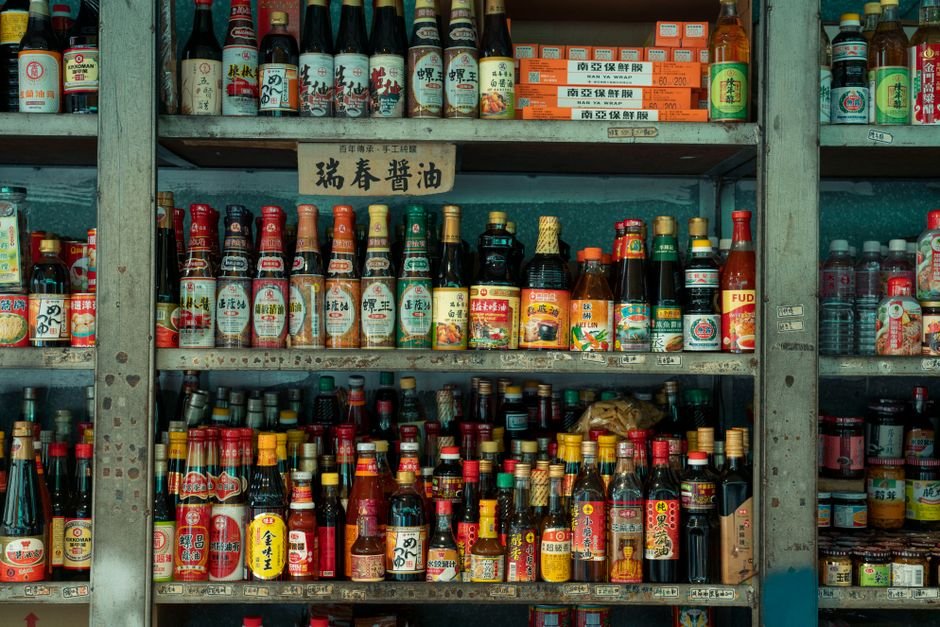
Full Nutrition Facts for 1 Tablespoon (15 ml) of Soy Sauce
Regular soy sauce is predominantly a flavoring agent with minimal macronutrients, but its sodium content is the primary nutritional concern. Here’s the complete breakdown:
| Nutrient | Amount | % Daily Value |
|---|---|---|
| Calories | 10 | 0.5% |
| Total Fat | 0 g | 0% |
| Saturated Fat | 0 g | 0% |
| Cholesterol | 0 mg | 0% |
| Sodium | 920 mg | 40% |
| Total Carbohydrate | 1 g | 0% |
| Dietary Fiber | 0 g | 0% |
| Total Sugars | 0 g | 0% |
| Protein | 2 g | 4% |
| Iron | 0.3 mg | 2% |
*Percent Daily Values are based on a 2,000-calorie diet. Source: USDA FoodData Central.
Key insight: The most significant nutritional feature of soy sauce is its exceptionally high sodium content—one tablespoon delivers 920 mg of sodium, or 40% of the daily recommended limit. This makes soy sauce a “high-sodium” condiment by USDA standards. Despite its minimal calorie footprint, regular consumption can quickly add up sodium intake, making it particularly important for people managing hypertension, heart disease, or kidney conditions to monitor portion sizes or choose low-sodium alternatives.
Etekcity Food Scale
0.1g accuracy — the perfect companion for exact portions.
Regular Soy Sauce vs. Low-Sodium Soy Sauce
Regular Soy Sauce (per 1 tbsp)
- 920 mg sodium (40% DV)—traditional fermented blend
- 10 calories with full umami depth
- Contains wheat, soybeans, salt, and alcohol preservative
Low-Sodium Soy Sauce (per 1 tbsp)
- 360 mg sodium (16% DV)—reduced by approximately 60%
- 8 calories with slightly less pronounced flavor
- Uses modified fermentation or dilution to maintain taste while cutting salt
Practical takeaway: If you enjoy soy sauce but need to restrict sodium intake, low-sodium soy sauce cuts sodium by over half while maintaining nearly identical calories. This single swap can save 560 mg of sodium per tablespoon—a meaningful reduction for those monitoring blood pressure. Regular soy sauce remains the flavor standard, but low-sodium versions are increasingly refined and work well in marinades, dipping sauces, and stir-fries.
Is Soy Sauce Good for Weight Loss?
Soy sauce itself is excellent for weight loss because it contains virtually zero calories and zero fat. A tablespoon adds significant flavor to meals without moving the calorie needle, making it a guilt-free way to enhance lean proteins, vegetables, and whole grains. The real consideration isn’t calories but sodium intake—consuming soy sauce may promote water retention in some individuals, so awareness of total salt consumption matters for accurate weight tracking.
Tips to Eat Soy Sauce Without Gaining Weight:
- Measure with a spoon: Use a tablespoon measure rather than pouring straight from the bottle to avoid over-pouring and accidentally increasing sodium intake.
- Mix it into dishes: Combine soy sauce with water or vinegar in a dipping bowl to stretch servings and reduce salt concentration without sacrificing flavor.
- Choose low-sodium: Swap regular soy sauce for low-sodium versions to cut sodium by 60% while keeping calories the same.
- Balance with whole foods: Use soy sauce to season vegetables, lean meats, and whole grains—foods already supporting weight loss, so the condiment simply amplifies nutrition without adding calories.
Since soy sauce is calorie-neutral, the weight loss question hinges more on sodium management and food choices you pair it with rather than the condiment itself.
How Portion Size Affects Calories
Soy sauce remains low-calorie across all realistic portion sizes because a tablespoon—the standard serving—is already minimal. However, accumulated usage throughout a meal or across multiple meals can contribute to sodium intake far more than calorie intake. Understanding portions helps manage salt consumption rather than avoiding calorie overcounting.
Example:
- Small portion (1 tsp / 5 ml): 3 calories, 307 mg sodium—a light dipping amount
- Large portion (2 tbsp / 30 ml): 20 calories, 1,840 mg sodium—approaching a full day’s salt limit
Even doubling a typical soy sauce serving keeps calories negligible but nearly doubles sodium, showing where the real nutritional concern lies.
Best Way to Measure Soy Sauce Accurately
Because soy sauce’s main nutritional variable is sodium rather than calories, accurate measurement prevents unintended salt overconsumption. Most people tend to pour generously without realizing how quickly sodium accumulates, so using proper measuring tools ensures you stay within sodium targets if you’re managing hypertension or dietary restrictions.
Options:
- Tablespoon or teaspoon: The most reliable method—measure into a spoon before adding to food or a dipping bowl.
- Spray bottle: Some brands offer soy sauce spray dispensers that control portion size and reduce sodium-per-spray, ideal for seasoning vegetables without excess salt.
- Nutrition label grams: Most bottles list sodium per 15 ml (1 tbsp). If comparing brands, verify serving size on the label since some list 10 ml as the standard.
Calculate Your Exact Calorie Intake
If you use soy sauce regularly in multiple meals—stir-fries, marinades, dipping sauces, and rice bowls—you may wonder how your cumulative soy sauce consumption affects your daily nutrition. While individual tablespoons add minimal calories, tracking sodium intake across all your meals is where precision matters most.
Our free AI nutrients calculator lets you log soy sauce in your exact portion sizes and instantly see how it fits into your daily sodium, calorie, and macronutrient targets. Try the calculator here.
- Log multiple soy sauce servings across different meals and see cumulative sodium in real time
- Compare regular vs. low-sodium soy sauce to visualize salt savings
- Track how soy sauce fits into your daily nutrition alongside other foods
Common Mistakes When Eating Soy Sauce
Even though soy sauce is calorie-light, several common errors can undermine your nutrition goals:
❌ Pouring directly into food without measuring — Free-pouring leads to 2-3 tablespoons per meal, delivering 1,840–2,760 mg sodium in one dish, far exceeding daily limits.
❌ Not accounting for sodium in multiple Asian dishes — Soy sauce in stir-fries, soy sauce in dipping bowls, soy sauce in marinades, and soy sauce in soups can accumulate to 3,000+ mg sodium in a single meal.
❌ Assuming low-sodium soy sauce tastes inferior — Modern low-sodium versions are nearly indistinguishable from regular soy sauce, especially in cooked dishes, making the switch painless.
❌ Neglecting sodium from other condiments — Combining soy sauce with oyster sauce, fish sauce, miso, or other Asian condiments multiplies sodium, often pushing daily intake 50–100% over recommended levels.
Being mindful of portion size, the number of soy sauce-containing dishes per meal, and cumulative sodium across all your condiments makes a significant difference in staying within healthy sodium intake.
FAQ
How many calories are in 100g of soy sauce?
A 100 ml (approximately 100 g) serving of regular soy sauce contains approximately 67 calories. Since most people use soy sauce in 1–2 tablespoon portions, consuming 100g in a single sitting is unrealistic, but this helps contextualize the calorie density if you’re measuring in other units.
Is soy sauce fattening?
No, soy sauce is not fattening. It contains zero fat and minimal calories (10 per tablespoon), so it will not contribute to weight gain on its own. The concern is sodium, not fat or calories, making soy sauce a diet-friendly condiment when portion-controlled.
Does soy sauce contain gluten?
Most regular soy sauce contains wheat, which has gluten, making it unsuitable for people with celiac disease or gluten sensitivity. However, tamari and some specialty soy sauces are wheat-free and gluten-free. Always check the label if you have a gluten intolerance.
Can I eat soy sauce on a low-sodium diet?
Yes, but you’ll need to use low-sodium soy sauce and measure carefully. Low-sodium soy sauce contains 360 mg sodium per tablespoon (60% less than regular), making it compatible with sodium-restricted diets when used in modest amounts. Consult your healthcare provider about your specific sodium target.
Conclusion
Soy sauce is a calorie-negligible condiment that enhances flavor without derailing weight loss or calorie goals. At just 10 calories and zero fat per tablespoon, it remains an ideal way to add umami depth to lean proteins, vegetables, and whole grains. The genuine nutritional consideration is sodium—one tablespoon delivers 40% of the daily recommended sodium limit, making regular monitoring essential for anyone managing blood pressure or heart health.
For most people, soy sauce fits easily into a balanced diet when measured and portioned intentionally. If sodium is a concern, low-sodium soy sauce cuts salt by 60% while preserving flavor. Track your soy sauce use alongside other high-sodium foods to stay within safe limits, and use a reliable nutrients calculator to monitor cumulative sodium across all your meals and condiments.
