
Tahini, a creamy paste made from ground sesame seeds, has become a staple in Middle Eastern cuisine and is now widely used in Western diets for everything from hummus and baba ganoush to smoothies and salad dressings. It’s popular among people following plant-based diets, those seeking mineral-rich whole foods, and anyone looking to add nutty flavor and nutrition to their meals without adding sugar.
But tahini is calorie-dense, and understanding its nutritional profile is essential if you’re watching your intake. How many calories are in tahini, and what does each serving deliver nutritionally? This guide covers the complete picture: calorie counts by serving size, detailed nutrition facts, preparation differences, and practical tips for including tahini in a balanced diet.
Calories in Tahini (Quick Answer)
A standard 2-tablespoon (32g) serving of tahini contains about 180 calories, making it a rich but nutrient-dense addition to meals and dressings.
- 2 tablespoons (32g) tahini: ~180 calories
- 1 tablespoon (16g) tahini: ~90 calories
- 1 ounce (28g) tahini: ~160 calories
Calorie counts vary slightly based on whether the tahini is hulled (white, milder) or unhulled (darker, more minerals), and by brand—premium cold-pressed varieties may differ slightly from refined versions.
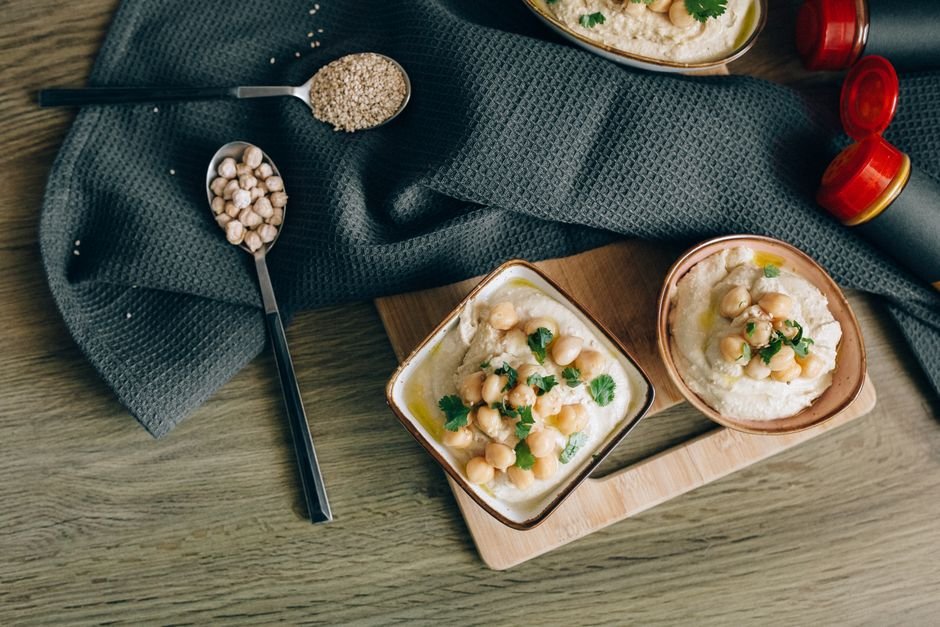
Full Nutrition Facts for 2 Tablespoons (32g) of Tahini
Below is the complete nutritional breakdown for a standard serving of tahini, based on USDA data. Tahini is primarily fat and plant protein, with minimal carbohydrates and zero cholesterol.
| Nutrient | Amount | % Daily Value |
|---|---|---|
| Calories | 180 | — |
| Total Fat | 16g | 21% |
| Saturated Fat | 2.3g | 12% |
| Cholesterol | 0mg | 0% |
| Sodium | 17mg | 1% |
| Total Carbohydrate | 6.4g | 2% |
| Dietary Fiber | 3.2g | 11% |
| Total Sugars | 0.7g | — |
| Protein | 5.1g | 10% |
| Calcium | 426mg | 33% |
| Iron | 4.7mg | 26% |
| Magnesium | 71mg | 17% |
*Percent Daily Values are based on a 2,000-calorie diet. Source: USDA FoodData Central.
Key insight: Tahini’s exceptional calcium content (33% DV per serving) makes it one of the richest plant-based sources of bioavailable calcium, especially valuable for those avoiding dairy. The combination of healthy unsaturated fats, fiber, and mineral density means each tablespoon delivers sustained energy and nutrient density despite its calorie concentration. A 2-tablespoon serving also provides over a quarter of the daily iron requirement, supporting energy production and oxygen transport.
Etekcity Food Scale
0.1g accuracy — the perfect companion for exact portions.
Hulled vs. Unhulled Tahini: What’s the Difference?
Hulled (White) Tahini
- Lighter color and milder, buttery flavor—easier for beginners and works well in desserts or neutral sauces.
- Lower in fiber and minerals because the nutrient-rich hull is removed during processing.
- Slightly smoother texture and longer shelf life due to lower fat oxidation.
Unhulled (Black or Brown) Tahini
- Darker appearance and more robust, earthy flavor—traditional choice in Middle Eastern cooking and hummus.
- Higher in calcium, iron, and fiber because the sesame seed hull remains intact.
- More bitter, intense taste and grittier texture, but significantly greater mineral bioavailability.
Practical takeaway: Both varieties contain roughly the same calories per serving, but unhulled tahini delivers more minerals and fiber, making it the better choice if your goal is maximum nutritional density. However, hulled tahini works better for sweet applications (date-based desserts, smoothie bowls) and milder dressings. Neither is “better”—choose based on your recipe and mineral priorities.
Is Tahini Good for Weight Loss?
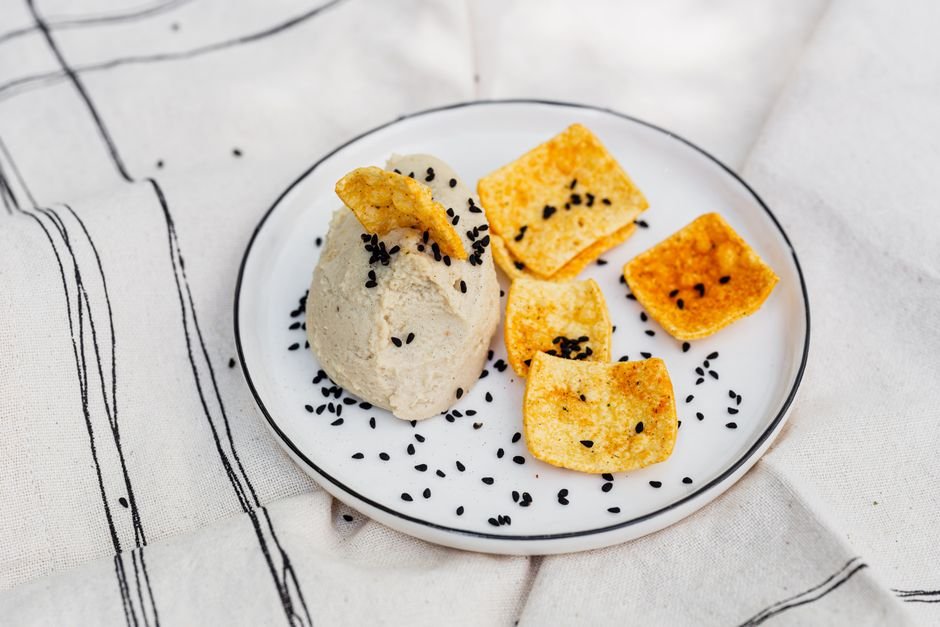
Tahini can be part of a weight-loss diet, but portion control is critical. At 180 calories and 16g of fat per 2 tablespoons, it’s easy to exceed calorie targets if you’re not measuring carefully. However, tahini’s protein, fiber, and fat content creates satiety—meaning a small serving may reduce hunger better than empty-calorie snacks. The key is treating tahini as a condiment or flavoring rather than eating it by the spoonful.
Tips to Eat Tahini Without Gaining Weight:
- Measure with a tablespoon or kitchen scale; don’t dip a spoon directly into the jar. One extra tablespoon adds 90 calories you may not account for.
- Use tahini to replace higher-calorie condiments like mayo or creamy dressings. A tahini-lemon-water mixture (1 tbsp tahini + 2 tbsp water + lemon juice) is only 90 calories and adds richness to salads.
- Pair tahini with high-water, high-fiber foods like leafy greens, roasted vegetables, and legumes—this maximizes fullness without adding extra calories.
- Make tahini-based dips at home (hummus, baba ganoush) so you control portions and sugar. Store-bought versions often contain added oils and sweeteners.
Used strategically, tahini’s nutrient density and satiating properties make it a smart addition to a calorie-conscious diet. The problem isn’t tahini itself—it’s unconscious consumption.
How Portion Size Affects Calories
Because tahini is so calorie-dense, small measurement errors compound quickly. A single extra tablespoon over the course of a week adds up to nearly 650 extra calories. Understanding how serving size scales is crucial for anyone tracking intake or managing weight.
Example:
- Small portion (1 tablespoon, 16g): 90 calories, 8g fat, 2.5g protein. Ideal for a drizzle on oatmeal or as part of a salad dressing.
- Large portion (3 tablespoons, 48g): 270 calories, 24g fat, 7.7g protein. Equal to a light meal in calories alone; typically too much for a condiment but reasonable in a homemade hummus recipe.
Always use a scale or standard measuring spoon to avoid portion creep.
Best Way to Measure Tahini Accurately
Tahini’s density and tendency to separate (oil rising to the top) make measuring tricky. A kitchen scale is the most reliable method, but several practical approaches work well depending on your setup and precision needs.
Options:
- Kitchen scale (most accurate): Place a bowl on the scale, tare to zero, and weigh out 16g (1 tbsp) or 32g (2 tbsp). This eliminates guesswork and accounts for density variation between brands.
- Standard measuring spoon (good for recipes): Use a metal tablespoon, lightly packed (not heaping) and level with a knife. Works well for dressings and dips where precision matters less than consistency.
- Pre-portioned packets or squeeze bottles: Some brands sell single-serve tahini packets (about 1 tablespoon) or squeeze bottles with marked servings, convenient for travel or quick meals but often more expensive per ounce.
Calculate Your Exact Calorie Intake
If you’re adding tahini to multiple meals throughout the day—a drizzle on breakfast oatmeal, a spoonful in your lunch dressing, tahini in a smoothie—the calories and fat can accumulate without obvious tracking. Knowing your exact total intake helps you stay aligned with your nutrition goals.
Our site offers a free AI-powered nutrients calculator that lets you log tahini by any serving size and instantly see calories, macros, and micronutrients for your exact portion. No more guessing whether your serving is truly one tablespoon or closer to one and a half.
- Get precise calorie and macro counts for any tahini portion instantly.
- Track cumulative intake across multiple meals to see daily totals.
- Compare different tahini brands and types (hulled vs. unhulled) side by side.
Try the free calculator now and take the guesswork out of portion management.
Common Mistakes When Eating Tahini
Tahini is nutritious, but several habits can sabotage weight-loss goals or nutritional aims. Here are the most common pitfalls.
❌ Eyeballing portions instead of measuring. Tahini is so calorie-dense that a “generous drizzle” can easily be 2–3 tablespoons (180–270 calories) without you realizing it.
❌ Mixing tahini with added sugars (honey, maple syrup, dates) without accounting for the extra calories. A tahini-honey snack can reach 250+ calories in just two spoonfuls.
❌ Assuming all tahini is the same. Roasted tahini is higher in calories than raw; some brands add extra oils. Always check the label for calories per serving.
❌ Eating tahini straight from the jar as a snack. Without pairing it with fiber-rich foods or using it as a condiment, tahini provides calories without satiety, making overconsumption likely.
Mindful measurement, pairing with whole foods, and using tahini as a flavor and nutrition enhancer rather than a standalone snack prevents these mistakes.
FAQ
How many calories are in 100g of tahini?
A 100g serving of tahini contains approximately 563 calories. Since most people consume tahini in tablespoon-sized portions (16g = 90 calories), it’s rarely eaten in such large quantities, but knowing the 100g reference helps when scaling recipes or calculating bulk purchases.
Is tahini fattening?
Tahini itself is not inherently fattening because it contains predominantly unsaturated fat, which supports heart health, and provides satiety. However, tahini is calorie-dense (90 calories per tablespoon), so portion control matters. Overconsuming tahini without accounting for calories can contribute to weight gain, but using it as a measured condiment or flavoring is compatible with weight loss.
Can I eat tahini if I have a sesame allergy?
No. Tahini is made entirely from ground sesame seeds, so it contains full sesame allergens and is unsafe for anyone with a sesame allergy. Cross-contamination is also a risk in facilities that process tree nuts alongside sesame.
Does tahini go bad, and how should I store it?
Tahini lasts 6–8 months in a cool, dark pantry, but refrigeration extends shelf life to 12–18 months. Oil separation at the top is normal and doesn’t indicate spoilage; stir it back in. Discard tahini if it smells rancid (sharp, unpleasant odor) or shows mold, which is rare but possible if moisture enters the jar.
Conclusion
Tahini is a nutrient-dense powerhouse, delivering exceptional amounts of calcium, iron, magnesium, and plant-based protein in a small, compact serving. Its unsaturated fat profile supports cardiovascular health, and the fiber aids digestion. At 180 calories per 2 tablespoons, it’s calorie-intensive but not problematic when portioned correctly and used strategically—as a condiment, a base for dips, or a flavor enhancer rather than eaten by the spoonful straight from the jar.
Whether you’re making hummus, drizzling tahini over roasted vegetables, or adding it to smoothies, understanding portion sizes and calorie density is the foundation of balanced consumption. Use a **reliable kitchen scale or measuring spoon** for accuracy, and consider logging your servings in a food tracker or using a free nutrients calculator to stay accountable to your nutrition goals. Tahini earned its place in kitchens worldwide for good reason—use it wisely, and it’s both delicious and nutritionally supportive.
