
Beer is one of the world’s most consumed alcoholic beverages, with regular beer accounting for the majority of global beer sales. Whether you’re enjoying a cold drink with friends, at a social event, or as part of your daily routine, understanding the nutritional content—especially calories—is important for managing your overall intake and health goals.
If you’re tracking calories for weight management, fitness, or simply curious about what you’re consuming, the question is straightforward: How many calories are in regular beer? This guide breaks down the complete nutritional profile, portion sizes, and practical strategies for fitting beer into a balanced lifestyle.
Calories in Beer Regular (Quick Answer)
A standard 12 oz serving of regular beer contains approximately 150 calories, though this varies by brand and specific style.
- 12 oz (355 ml) serving: 150 calories
- 16 oz (473 ml) pint: 200 calories
- One 5 oz (148 ml) shot glass: 65 calories
Calorie content can vary slightly by brewery, alcohol percentage (ABV), and specific ingredients used in the brewing process.
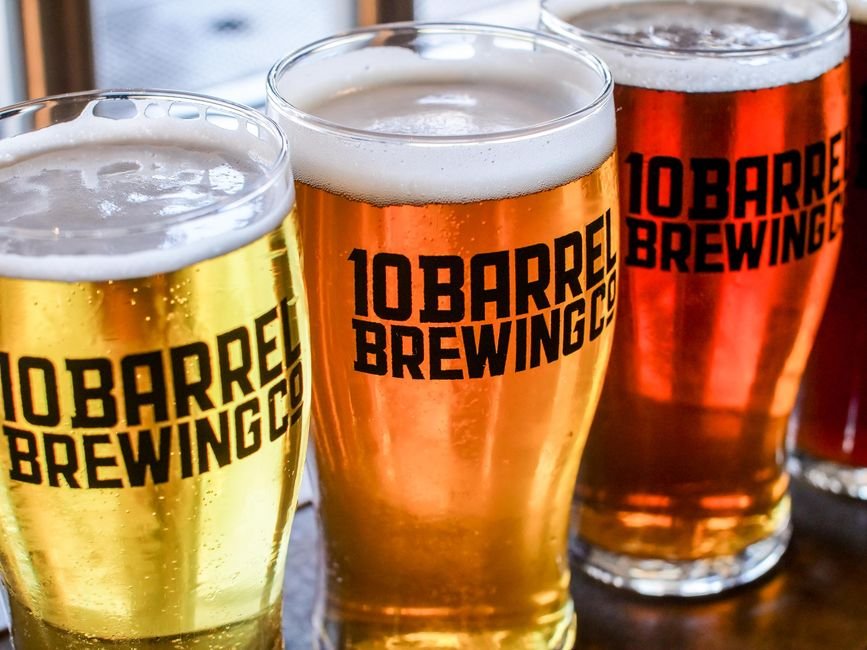
Full Nutrition Facts for One 12 oz Serving of Regular Beer
Regular beer typically contains 4.6–5.0% alcohol by volume. Here’s the complete breakdown for a standard 12 oz serving:
| Nutrient | Amount | % Daily Value |
|---|---|---|
| Calories | 150 | — |
| Total Fat | 0 g | 0% |
| Saturated Fat | 0 g | 0% |
| Cholesterol | 0 mg | 0% |
| Sodium | 14 mg | 1% |
| Total Carbohydrate | 11 g | 4% |
| Dietary Fiber | 0 g | 0% |
| Total Sugars | 0 g | 0% |
| Protein | 1.6 g | 3% |
| Alcohol | 13.6 g | — |
| Niacin (Vitamin B3) | 1.4 mg | 7% |
| Magnesium | 21 mg | 5% |
*Percent Daily Values are based on a 2,000-calorie diet. Source: USDA FoodData Central.
Key insight: The majority of calories in regular beer come from alcohol (about 65%) and carbohydrates from grains and sugars (about 35%), not fat. Beer contains small amounts of B vitamins and minerals like magnesium and potassium from the brewing process, but these amounts are nutritionally negligible. The carbohydrates are mostly in the form of simple sugars and starches, which is why beer doesn’t provide sustained energy or satiety like food does.

Etekcity Food Scale
0.1g accuracy — the perfect companion for exact portions.
Regular Beer vs. Light Beer: What’s the Difference?
Regular Beer (12 oz)
- 150 calories per serving
- 11 g carbohydrates
- 4.6–5.0% alcohol by volume
Light Beer (12 oz)
- 96–110 calories per serving
- 3–6 g carbohydrates
- 4.0–4.5% alcohol by volume
Key takeaway: Light beer cuts roughly 40–50 calories and 50% of carbohydrates compared to regular beer by using specialized brewing techniques and sometimes adding enzymes to reduce residual sugars. If you’re watching calories or carbs, light beer saves about 40–50 calories per drink, which adds up over a week or month. However, the difference in alcohol content is minimal—both deliver similar intoxication per serving. Choose based on your macronutrient goals and taste preference, not on perceived health benefits.
Is Beer Regular Good for Weight Loss?
Regular beer is not a weight-loss-friendly choice due to its calorie density, lack of protein, and minimal nutritional value. A single 12 oz beer contains 150 empty calories with only 1.6 g of protein and no fiber to promote satiety. If you’re in a caloric deficit and drink beer regularly, those calories add up quickly without providing lasting fullness. However, occasional moderate consumption (1 beer per occasion) can fit into a balanced approach if you account for the calories elsewhere in your diet.
Tips to Eat Beer Without Gaining Weight:
- Track the calories: Count your beer as part of your daily total calorie intake, just like food. A 150-calorie beer is equivalent to a small snack.
- Choose light beer: If you drink regularly, switching to light beer saves 40–50 calories per serving, which equals 4–5 pounds per year if you drink one daily.
- Limit frequency: Aim for no more than 1 drink per day for women and 2 per day for men (standard medical guidelines). This naturally caps total beer calories.
- Pair with protein: If you’re having a beer, eat a meal with protein and fiber beforehand. This slows alcohol absorption and reduces the likelihood of overeating.
The key is moderation and honest calorie accounting. Beer itself doesn’t cause weight gain if consumed sparingly and factored into your total daily intake. The problem arises when people underestimate liquid calories or use alcohol as an excuse to relax portion control at meals.
How Portion Size Affects Calories
Beer calories scale directly with volume. A 12 oz standard serving is the baseline, but many people consume larger pours, multiple servings, or specialty formats (craft beers, which are often higher ABV and higher calorie). Knowing the exact size of what you’re drinking is essential for accurate tracking.
Example:
- Small (5 oz shot glass): 65 calories—roughly a taste or a pre-dinner drink
- Large (16 oz pint): 200 calories—a full meal’s worth of calories with no nutritional return
Doubling your portion size doubles your calorie intake. If you usually drink one 12 oz beer but switch to a 16 oz pint, you’re adding 50 extra calories per drink—520 extra calories per year if you do this once weekly.
Best Way to Measure Beer Accurately
Beer calories depend entirely on volume and alcohol content. The most reliable way to measure is to know the exact serving size before you drink. Most bars, restaurants, and home servings vary widely, so taking 30 seconds to identify the exact ounces or milliliters prevents guessing and underestimating calorie intake.
Options:
- Use labeled glassware: Pour into a pint glass or measuring cup first to confirm the actual volume. Many “pint” glasses hold 14–15 oz, not 16 oz.
- Check the label: Canned and bottled beer always shows volume in oz or ml. Write it down before drinking if you’re tracking.
- Ask at the bar: Bartenders know the volume of their pours. A standard is 12 oz, but craft pours, tall boys, and growlers vary. Clarify before ordering.
Calculate Your Exact Calorie Intake
If you drink beer regularly—even just a few times a week—tracking those calories is as important as tracking food calories. One beer might not seem significant, but 3 beers a week equals 450 calories, or about 23,400 calories per year. That’s equivalent to 6.7 pounds of body weight if not offset by activity or diet adjustments.
Our free AI nutrients calculator helps you log beverages alongside food to see your true daily calorie and macro intake. Input your beer, see the full nutritional breakdown, and understand how it fits into your daily goals.
- Track all drinks alongside meals for a complete calorie picture
- Identify patterns (e.g., if you drink on weekends, that’s 300+ weekly calories)
- Adjust diet or activity to compensate if weight loss is your goal
Use the free nutrients calculator here.
Common Mistakes When Eating Beer
People often underestimate beer’s caloric impact because it’s a drink, not food. Here are the biggest pitfalls:
❌ Forgetting to count liquid calories: Beer, wine, and soft drinks are often mentally categorized as “free” because they’re not solid food. In reality, a 150-calorie beer is the same as a slice of bread or a banana—it counts toward your total intake and should be logged.
❌ Drinking multiple beers without tracking: One 12 oz beer is 150 calories. Three beers is 450 calories—equivalent to a full meal. Many people lose track after the first drink and unknowingly consume 600+ calories in an evening.
❌ Assuming “light” beer is calorie-free: Light beer is not zero-calorie. It’s 96–110 calories, still significant if you drink multiple servings. Some people use light beer as permission to drink more, negating any calorie savings.
❌ Pairing beer with high-calorie snacks: Beer is almost always consumed with food (wings, nachos, pizza, chips). The combined calorie bomb can exceed 1,000 calories per sitting. The beer alone isn’t the problem; the context matters.
Awareness and honest tracking prevent these pitfalls. If you enjoy beer, plan for it and fit it into your daily goals—don’t pretend it doesn’t exist.
FAQ
How many calories are in 100g of beer regular?
Beer is liquid, so weight is typically not the standard measurement. However, 100 g of beer (approximately 3.4 oz or 100 ml) contains roughly 42 calories, following the 150 calories per 12 oz standard.
Is beer regular fattening?
Regular beer is not inherently “fattening,” but it is calorie-dense relative to its nutritional value. If you consume beer without adjusting other calories, or if you drink multiple servings regularly, it contributes to weight gain. Moderate consumption (1 drink per occasion) within a controlled daily calorie intake does not cause weight gain on its own.
Does beer contain carbs?
Yes, regular beer contains 11 g of carbohydrates per 12 oz serving, mostly from residual sugars and grain starches. These carbs are simple carbs with no fiber and minimal glycemic benefit. Light beer reduces this to 3–6 g per serving.
What is the alcohol content in regular beer?
Standard regular beer is 4.6–5.0% alcohol by volume (ABV), which translates to about 13.6 g of pure alcohol per 12 oz serving. This is slightly higher than light beer (4.0–4.5% ABV) and much lower than craft or high-alcohol beers (6–10%+ ABV).
Conclusion
Regular beer contains 150 calories per 12 oz serving, with minimal protein, no fat, and 11 g of carbohydrates. While beer is not a significant source of nutrients, it is not forbidden in a balanced diet—moderation and awareness are key. If you enjoy beer, the approach is straightforward: count the calories, understand the portion size, and fit it into your daily intake like any other food or drink.
Whether you’re working toward weight loss, maintaining your current weight, or simply interested in what you consume, tracking beer alongside your regular meals gives you the full picture. Use a reliable nutrients calculator to log your beer intake and see how it affects your daily totals. This honest accounting prevents surprise weight gain and helps you make intentional choices about when and how much you drink.
