
Sardine oil is a concentrated source of omega-3 fatty acids, increasingly popular among health-conscious consumers, athletes, and anyone managing inflammation or supporting heart health. It’s typically consumed as a liquid supplement or derived from canned sardines packed in oil, making it a simple way to boost your intake of EPA and DHA without consuming whole fish.
But how many calories are in sardine oil, and what does the full nutritional profile reveal? This guide covers everything you need to know about sardine oil’s caloric content, macronutrient breakdown, and how it fits into different health goals.
Calories in Sardine Oil (Quick Answer)
Sardine oil is one of the most calorie-dense foods because it’s pure fat. Here’s what a standard serving delivers:
- 1 tablespoon (14g) of sardine oil: 120 calories
- 1 teaspoon (5g) of sardine oil: 40 calories
- 1 fluid ounce (28g) of sardine oil: 240 calories
Calorie content remains consistent regardless of brand, since sardine oil is a pure fat with minimal variation in composition.
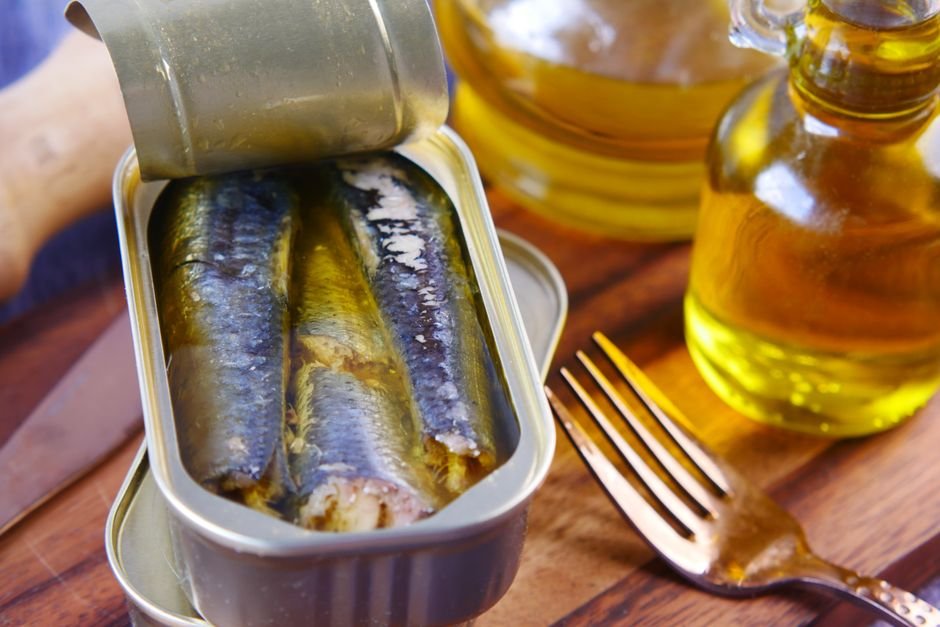
Full Nutrition Facts for 1 Tablespoon (14g) of Sardine Oil
Sardine oil is virtually 100% fat with trace amounts of other nutrients, making it a lipid supplement rather than a complete food. Below is the complete nutritional breakdown per tablespoon serving:
| Nutrient | Amount | % Daily Value |
|---|---|---|
| Calories | 120 | — |
| Total Fat | 14g | 18% |
| Saturated Fat | 3.1g | 16% |
| Trans Fat | 0g | — |
| Cholesterol | 0mg | 0% |
| Sodium | 0mg | 0% |
| Total Carbohydrate | 0g | 0% |
| Dietary Fiber | 0g | 0% |
| Total Sugars | 0g | 0% |
| Protein | 0g | 0% |
| EPA (Eicosapentaenoic Acid) | 1.5g | — |
| DHA (Docosahexaenoic Acid) | 1.0g | — |
| Vitamin E (Alpha-Tocopherol) | 1.9mg | 13% |
*Percent Daily Values are based on a 2,000-calorie diet. Source: USDA FoodData Central.
Key insight: Sardine oil’s true value lies not in its calorie count but in its omega-3 density—one tablespoon delivers approximately 2.5g of combined EPA and DHA, among the highest concentrations of marine omega-3s available. This makes it far more potent per serving than typical fish oil supplements, which often contain only 0.3–0.5g of combined EPA/DHA per capsule.
Etekcity Food Scale
0.1g accuracy — the perfect companion for exact portions.
Sardine Oil vs. Fish Oil Supplements: Which Delivers More Omega-3s?
Both sardine oil and commercial fish oil supplements are omega-3 sources, but they differ in concentration, purity, and processing. Here’s how they compare:
Sardine Oil
- Higher EPA and DHA concentration (1.5g EPA + 1.0g DHA per tablespoon)
- Whole-food source with minimal processing and no additives
- Liquid form allows flexible dosing and immediate absorption
Fish Oil Supplements
- Standardized dosage per capsule (typically 300–500mg combined EPA/DHA)
- Often fortified with vitamin E and may contain added flavoring to mask taste
- Easier compliance for those who dislike liquid oil’s taste and texture
Practical takeaway: If maximum omega-3 potency per serving is your priority, sardine oil outperforms most encapsulated fish oil products. However, fish oil pills offer convenience for people on the go—the trade-off is a lower omega-3 dose per serving and typically higher cost per gram of EPA/DHA.
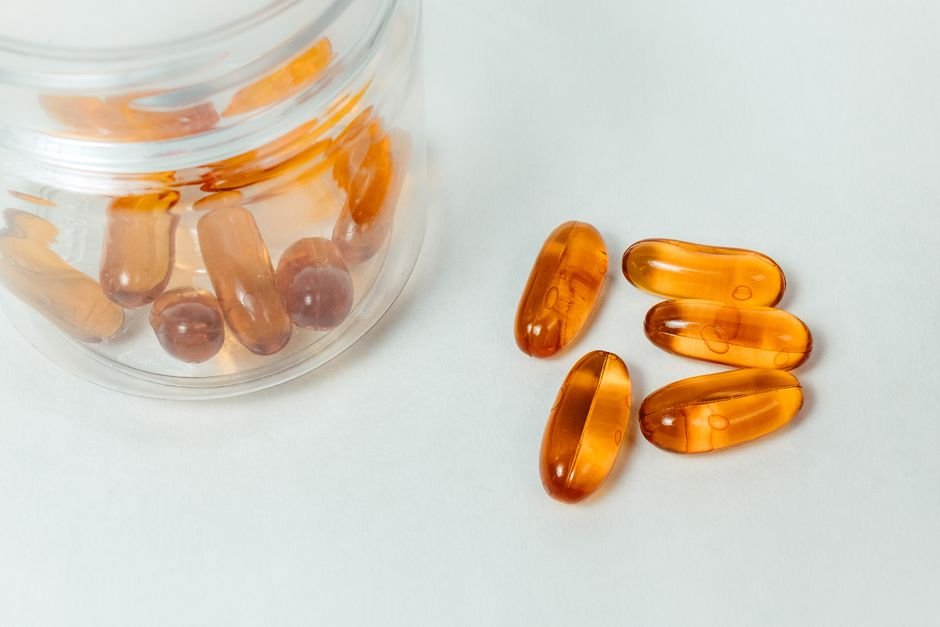
Is Sardine Oil Good for Weight Loss?
Sardine oil itself is not a weight-loss tool—it’s pure fat with 120 calories per tablespoon and no protein or fiber to promote satiety. However, the omega-3s it contains may support weight management indirectly by reducing inflammation, supporting metabolic function, and helping regulate appetite hormones. The key is portion control: sardine oil should enhance a diet, not replace whole foods.
Tips to Eat Sardine Oil Without Gaining Weight:
- Limit to 1–2 teaspoons daily (40–80 calories) to avoid excess calorie intake
- Use it as a salad dressing base or drizzle over vegetables rather than consuming it straight
- Replace, don’t add—swap it for other cooking oils rather than using it on top of your existing diet
- Pair with protein and fiber (e.g., sardine oil on grilled fish with leafy greens) to improve nutrient absorption and satiety
When used strategically as part of a calorie-controlled diet, sardine oil supports heart and brain health without derailing your weight-loss goals.
How Portion Size Affects Calories
Sardine oil’s calorie density means small measurement errors add up quickly. A single extra teaspoon increases your intake by 40 calories—seemingly minor until it accumulates across days and weeks. Precise measurement is essential if you’re tracking intake for weight management or cardiovascular health protocols that specify a certain omega-3 dosage.
Example:
- 1 teaspoon (5g): 40 calories, 0.5g EPA/DHA
- 1 tablespoon (14g): 120 calories, 2.5g EPA/DHA
Doubling your portion triples your calorie intake while increasing omega-3s proportionally—useful if you need therapeutic omega-3 dosing, problematic if you’re consuming it casually without attention to serving size.
Best Way to Measure Sardine Oil Accurately
Because sardine oil is liquid and calorie-dense, volumetric measurement with a kitchen scale or calibrated spoon is far more accurate than eyeballing. Even small visual variations can introduce 20–30 calorie swings, which matters when tracking intake. Use the same measurement tool consistently to maintain accuracy across multiple servings.
Options:
- Kitchen scale (most accurate): Weigh 5g for one teaspoon or 14g for one tablespoon on a digital scale for precision to the gram
- Calibrated measuring spoons: Use standard 1-teaspoon (5ml) or 1-tablespoon (15ml) spoons marked for liquids; avoid rounded or heaped scoops
- Oral syringe (for supplements): Many sardine oil bottles include a dosing syringe; fill to the marked line for consistent portions
Calculate Your Exact Calorie Intake
If you’re incorporating sardine oil into a daily routine, knowing your exact calorie and omega-3 intake matters—especially if you’re tracking macros for weight management, athletic performance, or a specific health protocol. Manual calculation can be tedious when balancing multiple oils and supplements.
Our free AI-powered nutrients calculator takes the guesswork out of tracking. Simply enter your sardine oil portion size and any other foods you’re consuming, and get an instant breakdown of calories, macronutrients, and micronutrients. Try the calculator here.
- Get precise calorie counts for your exact portions—no rounding or estimates
- Track omega-3 intake alongside other nutrients to ensure you’re meeting health targets
- Compare different oil varieties and brands to find the best omega-3 value for your budget
Common Mistakes When Eating Sardine Oil
Even though sardine oil is a healthy fat source, how you use it matters. Here are the most common errors people make when adding sardine oil to their diet:
❌ Consuming sardine oil without measuring—eyeballing a “splash” can add 80–100 calories or more, turning a measured supplement into an unmeasured calorie bomb.
❌ Using sardine oil as an additive rather than a replacement—adding it to existing meals instead of swapping it for other oils inflates your total fat and calorie intake unnecessarily.
❌ Ignoring the taste preference and digestive tolerance—liquid sardine oil has a strong fishy taste that can cause nausea or reflux if consumed on an empty stomach or in large quantities too quickly.
❌ Assuming sardine oil alone will fix inflammation or heart health—while omega-3s are beneficial, they work best as part of a whole-food diet rich in vegetables, whole grains, and lean protein, not as a standalone supplement.
Avoid these pitfalls by measuring precisely, using sardine oil to replace (not add to) your current fat intake, starting with small doses to assess tolerance, and viewing it as one part of a balanced nutritional strategy.
FAQ
How many calories are in 100g of sardine oil?
100g of sardine oil contains approximately 884 calories, since sardine oil is roughly 88.4% fat by weight (or about 884 kcal per 100g of pure fat). Most people consume sardine oil by the teaspoon or tablespoon rather than in 100g quantities.
Is sardine oil fattening?
Sardine oil itself is not inherently fattening—calories and weight gain depend on total diet. However, at 120 calories per tablespoon, it’s easy to exceed calorie goals if consumed without portion control. Using sardine oil to replace other oils rather than adding extra calories prevents unwanted weight gain while preserving its health benefits.
Can I cook with sardine oil?
Sardine oil has a relatively low smoke point (around 320°F), making it unsuitable for high-heat cooking. Use it as a finishing oil for drizzling over salads, soups, grilled fish, or vegetables—not for frying or sautéing. Heat degrades its beneficial omega-3 fatty acids.
How much sardine oil should I take daily?
General recommendations range from 1–2 teaspoons (5–10g) daily for general health maintenance, delivering approximately 1.3–2.5g of combined EPA and DHA. If using sardine oil therapeutically for inflammation or cardiovascular support, consult a healthcare provider for a dose tailored to your needs.
Conclusion
Sardine oil is a calorie-dense, nutrient-sparse supplement—120 calories per tablespoon of virtually pure fat. Its true nutritional value lies in its exceptional omega-3 concentration (2.5g of EPA and DHA per tablespoon), making it one of the most potent marine sources available. Unlike whole sardines, sardine oil offers no protein, fiber, or micronutrients beyond vitamin E, so it functions as a targeted supplement rather than a food.
If you’re incorporating sardine oil into your diet, measure portions carefully, use it as a replacement for other oils rather than an addition, and track your intake to stay within your calorie and omega-3 targets. Whether you’re managing inflammation, supporting heart health, or optimizing your nutritional intake, precision matters—and using a reliable nutrients calculator ensures you’re hitting your health goals without overshooting your calorie budget.
