
Pasta gets blamed for weight gain more often than almost any carbohydrate, yet millions of people eat it regularly while maintaining or losing weight. The real question isn’t whether pasta is allowed on a diet—it’s whether you’re eating it in a way that fits your calorie targets and actually tastes good enough to stick with.
This guide answers that directly: yes, you can absolutely eat pasta and lose weight, but only if you understand exactly how much you’re eating, what type you’re choosing, and how to build it into meals that keep you full and satisfied without overdoing calories.
Quick Answer
Pasta won’t stop you from losing weight as long as the total calories you consume stay below your maintenance level. A single 2-ounce dry pasta serving (about 200 calories, 7g protein, 40g carbs) fits easily into a weight-loss diet. The catch: most restaurant portions are 3–4 times that size, and cream sauces or olive oil can add 200–300 calories in seconds, making the math much harder.
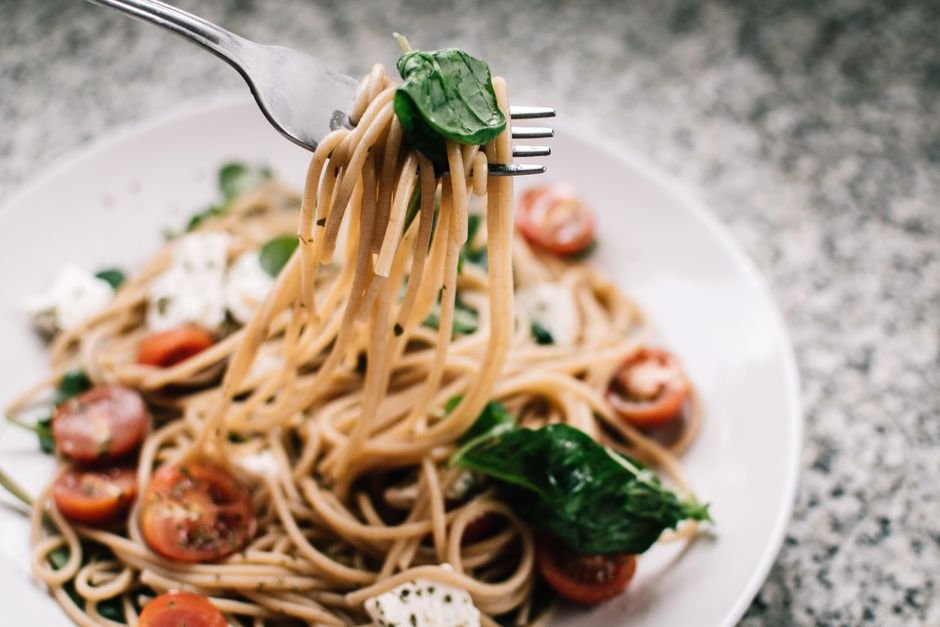
Pasta vs. Alternative Grains for Weight Loss
Regular Refined Pasta (All-Purpose Wheat)
- 200 calories per 2-ounce dry serving
- 7 grams protein
- 40 grams carbohydrates
- Low satiety—digests quickly, hunger returns sooner
Whole Wheat Pasta
- 190 calories per 2-ounce dry serving
- 8 grams protein
- 34 grams carbohydrates
- Higher fiber (6g vs. 2g)—keeps you fuller longer
| Metric | Refined Pasta (2 oz dry) | Whole Wheat Pasta (2 oz dry) |
|---|---|---|
| Calories | 200 | 190 |
| Protein | 7g | 8g |
| Total Carbs | 40g | 34g |
| Fiber | 2g | 6g |
| Satiety Rating | Medium | High |
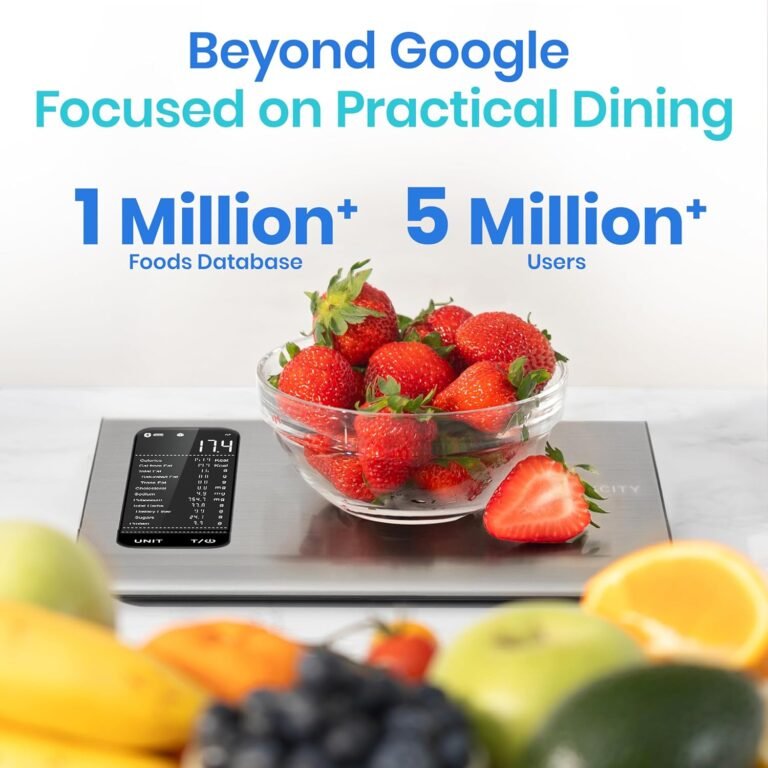
Etekcity Food Scale
0.1g accuracy — the perfect companion for exact portions.
Which Is Better for Losing Weight?
Whole wheat pasta wins for weight loss, but not because it has fewer calories—it barely does. It wins because the extra fiber (6g vs. 2g) fills your stomach faster and keeps hunger hormones stable longer. When you’re trying to lose weight on a calorie deficit, satiety matters more than raw numbers. You can eat 200 calories of refined pasta and feel hungry again in two hours; the same serving of whole wheat keeps most people satisfied until the next meal. That difference prevents the snacking spiral that derails most diets.
However, refined pasta wins if you’re adding protein and vegetables to the meal. A bowl of refined pasta with grilled chicken, broccoli, and a tomato-based sauce tastes better to most people and digests slower when paired with protein. The real answer isn’t the pasta type—it’s whether you’ll actually eat it and stick to the portion you planned.
Why the Numbers Don’t Tell the Whole Story
Nutrition labels assume you’re cooking 2 ounces of dry pasta and eating all of it as a single serving. Real life rarely works that way. A standard pasta scoop holds about 1.5 ounces; restaurant pasta dishes contain 3–5 ounces of dry pasta cooked. Two ounces sounds tiny once it’s cooked (it fills about one cup of a plate), so most people serve themselves double or triple without thinking about it. That turns 200 calories into 400–600 in a single meal before you add sauce.
The sauce compounds this mistake. A tablespoon of olive oil adds 120 calories. A quarter cup of heavy cream adds another 100. Store-bought pasta sauces vary wildly: a half-cup serving might be 60 calories (tomato-based) or 180 (cream-based). The pasta itself becomes almost irrelevant to the total meal’s impact on your calorie balance.
Brand and type also shift the math. Chickpea or lentil pasta has 190 calories and 13g protein per 2-ounce serving—a real advantage if you want to stay fuller on fewer carbs. Gluten-free pasta is often 200+ calories for 2 ounces with less protein. Fresh pasta (like homemade ravioli) is denser and heavier per ounce than dried pasta, so a “2-ounce” visual serving is actually more.
To know exactly what you’re eating, weigh your dry pasta before cooking and use the nutrition facts label for your specific brand. The free AI nutrients calculator lets you input your exact portion and sauce combo to see the real calorie total and macro breakdown of your meal:
- Know your actual portion size, not what “looks right”
- Account for oil, sauce, and add-ins that hide hundreds of calories
- Adjust your next meal’s calories accordingly without guessing
Common Mistakes
People trying to lose weight while eating pasta typically sabotage themselves in these four ways:
❌ Eyeballing portions instead of weighing dry pasta. A “handful” of pasta is rarely 2 ounces, and cooked pasta looks like much less than it actually weighs.
❌ Forgetting to count sauce, oil, and cheese as part of the meal. You can eat plain pasta comfortably under your calorie target, then triple the total with condiments and not even notice.
❌ Eating refined pasta without protein or fiber, which leaves you hungry an hour later and more likely to eat again soon, wasting your calorie budget.
❌ Assuming “whole wheat” or “chickpea” pasta is a weight-loss miracle that lets you eat unlimited amounts. It helps, but calories still matter—portion size still matters.
All four mistakes are easy to fix with a scale and a tracker.
FAQ
Can I eat pasta every day and still lose weight?
Yes, if it fits your daily calorie limit. Many people eat pasta 3–5 times per week and lose weight steadily. The variable is total intake, not frequency. A 2-ounce serving is small enough that you can repeat it daily without derailing progress, as long as sauces and add-ins stay reasonable.
What’s the best sauce for pasta when trying to lose weight?
Tomato-based sauces are lowest in calories (60–100 per half-cup) and often have good flavor without fat. Cream sauces (150–250 calories per serving) are harder to fit into a deficit unless you reduce the pasta portion. Pesto and oil-based sauces are calorie-dense; measure them carefully.
Should I choose whole wheat or regular pasta for weight loss?
Whole wheat is the edge pick because of fiber and satiety, but regular pasta works fine if it keeps you on track with portions. The difference in calories is minimal; the difference in hunger is sometimes significant. Try whole wheat for two weeks and see if you feel fuller longer.
How much pasta can I eat on a weight loss diet?
The standard serving is 2 ounces of dry pasta, which cooks to roughly 1 cup and contains 200 calories. Most weight-loss diets allow this comfortably as part of a meal with protein and vegetables. Larger portions (3–4 ounces) are possible if the rest of your calories that day are lighter, but it requires planning.
Conclusion
Pasta isn’t the enemy of weight loss—portions and sauces are. A 2-ounce serving of whole wheat pasta fits into almost any calorie deficit without crowding out other nutrients, especially if you pair it with protein and vegetables. Refined pasta works too, but the lack of fiber means you’ll need to eat more carefully the rest of the day to stay satisfied.
The key is knowing what’s actually on your plate. Weigh your dry pasta, measure your sauce, and be honest about whether you’re eating one serving or three. If you’re unsure about the total calories in your prepared meal, use a reliable nutrients calculator to get the real number before eating. That one step—measuring instead of guessing—is what separates people who eat pasta and lose weight from those who don’t.
