
Most people who eat hummus for weight loss make the same mistake: they reach for a pre-portioned container, see “9g protein, only 99 calories per serving,” and assume they can finish half of it in one sitting. The math feels harmless, but a single indulgent dip session can easily become 300–400 calories before you realize it. The real question isn’t whether hummus can fit into a weight-loss diet—it absolutely can—but whether you’ll actually stick to a serving size that makes sense for your goals.
This article walks you through the honest nutritional breakdown of hummus, shows you exactly how much you can eat while staying in a calorie deficit, and explains why even healthy foods derail weight loss when portions spiral out of control. By the end, you’ll know whether hummus belongs in your fridge and how to eat it without undermining your progress.
Quick Answer
Yes, hummus can be part of a healthy weight-loss diet, but portion control is the entire game. A standard serving is 2 tablespoons (about 28g), which contains 99 calories, 3.8g protein, and 9g carbs—all manageable numbers. Eat more than 2–3 servings per sitting without tracking, and you’ll quickly consume 300+ calories, which can derail a 1200–1500 calorie daily target. The caveat: if your hummus is made with extra tahini or oil (commercial brands vary), or you’re pairing it with high-calorie dippers like pita chips or crackers, the math changes fast.
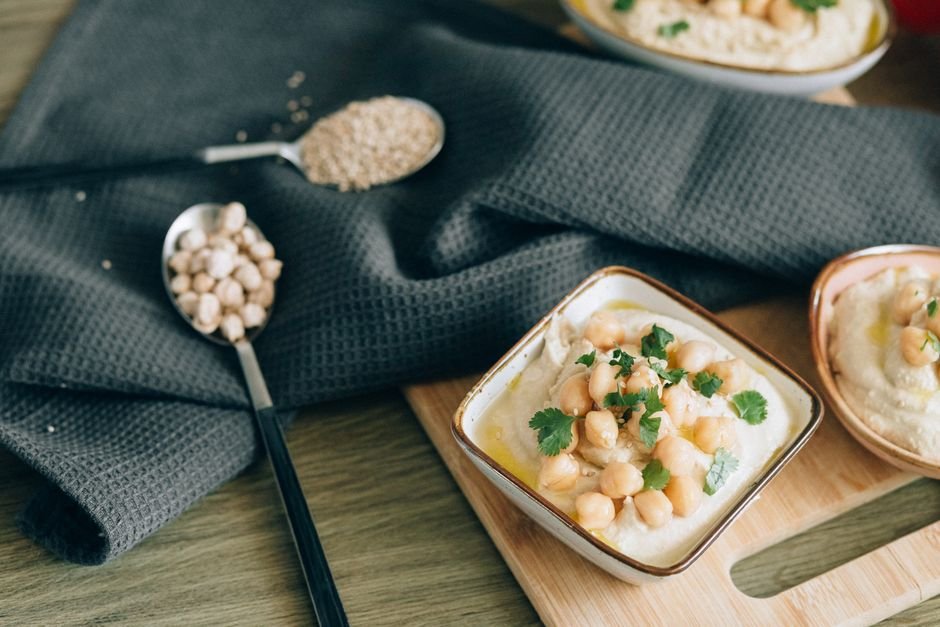
Hummus Nutrition: The Honest Breakdown
Standard Hummus (2 Tbsp / 28g serving)
- Calories: 99
- Protein: 3.8g
- Fat: 5.8g (mostly from sesame oil/tahini)
- Fiber: 2.5g
- Carbs: 9g (mostly net carbs: ~7g)
Full Container of Hummus (284g, typical store size)
- Calories: ~1,005
- Protein: ~38g
- Fat: ~58g
- Fiber: ~25g
- Total servings: ~10 servings at 2 Tbsp each
| Metric | One Serving (2 Tbsp) | Three Servings (6 Tbsp) |
|---|---|---|
| Calories | 99 | 297 |
| Protein (g) | 3.8 | 11.4 |
| Fat (g) | 5.8 | 17.4 |
| Fiber (g) | 2.5 | 7.5 |
| Carbs (g) | 9 | 27 |
Etekcity Food Scale
0.1g accuracy — the perfect companion for exact portions.
Which Serving Size Is Right for Weight Loss?
The answer depends on your total daily calorie target and what you’re dipping. If you’re on a 1500-calorie diet, one serving (2 Tbsp with vegetable sticks) is a guilt-free 99-calorie snack that delivers fiber and protein to keep you full. Two servings (4 Tbsp) is still reasonable—198 calories—as a side to a meal or a more generous dip portion. Three servings or more (297+ calories) should be rare and intentional, not your default “grab a spoon and dip” pattern.
The caveat: if weight loss is your priority and you struggle with portion discipline, hummus can become a silent saboteur. Studies show most people underestimate how much they dip, and a 2 Tbsp serving looks disappointingly small on a plate. If you find yourself consistently eating 4+ servings per sitting, consider swapping to a lower-calorie dip (Greek yogurt-based), eating hummus only when you’ve pre-portioned it into a small bowl, or cutting it from your rotation temporarily until your hunger cues stabilize. For some people, the friction of portion control isn’t worth the mental load.
Why the Numbers Don’t Tell the Whole Story
The USDA nutrition label assumes you’re eating plain, standard hummus with a standard chickpea-to-tahini ratio. Reality is messier. A mass-market hummus from store A might use extra oil to extend shelf life and cost savings, adding 20-30 calories per serving. A homemade hummus with generous tahini could hit 120+ calories per 2 Tbsp serving. Some brands advertise “roasted red pepper hummus” or “garlic hummus,” which adds sugar and sometimes extra oil to mask flavor—occasionally pushing a single serving to 110-130 calories.
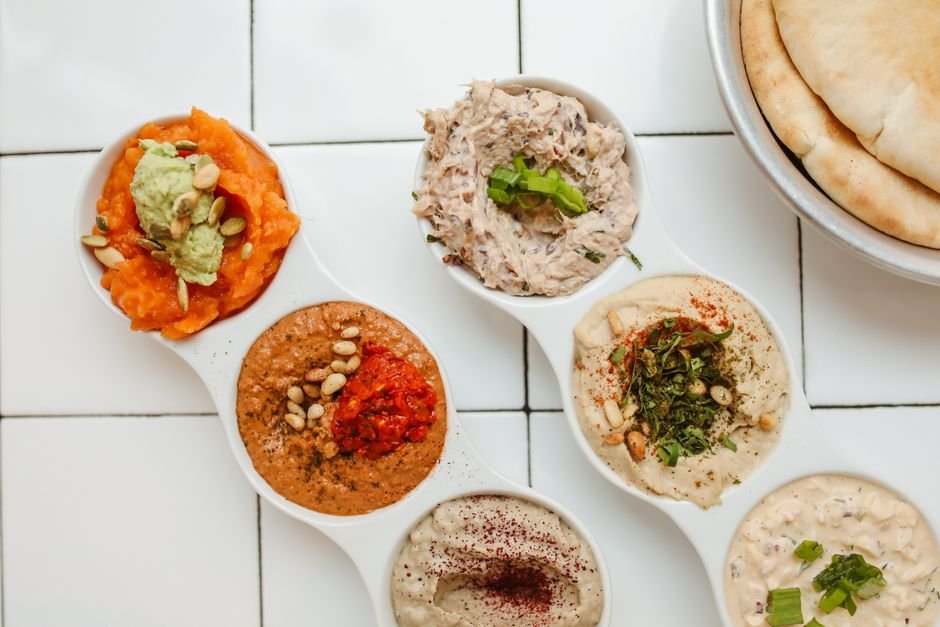
Your dippers matter just as much. Two tablespoons of hummus with raw carrots, cucumbers, or celery adds only 20-30 more calories and no extra sugar. The same hummus with pita chips (15 chips = ~140 calories) or crackers (5 Triscuits = ~70 calories) turns a 99-calorie dip into a 209-330 calorie snack. And if you’re scooping hummus at a party with pita bread, you’re looking at 150-200 additional calories per bite—easy to consume 500+ calories before you’ve finished your first plate.
This is exactly where a free AI nutrients calculator makes the difference. Rather than guessing whether your specific hummus and your actual dipping habits are within a calorie budget, you can enter the exact brand and quantity you’re about to eat and see the real impact. Our calculator’s key benefits include:
- Accurate brand-specific nutrition data (not generic average figures)
- Automatic calorie tracking when you log multiple servings or varied dippers
- Instant feedback on whether a snack fits your weight-loss targets
Visit our free nutrients calculator to log hummus accurately and stop guessing.
Common Mistakes
People trying to include hummus in a weight-loss diet usually make the same four errors:
❌ Buying a large container and eating directly from it instead of pre-portioning. A 10-serving container becomes 3-4 servings in one sitting because the visual serving size feels tiny and there’s no friction to stop you.
❌ Pairing hummus with calorie-dense dippers (pita chips, crackers, bread) and not counting those calories separately, which often adds 100-200 calories the dip itself.
❌ Choosing premium or flavored hummus varieties without checking the nutrition label, assuming they’re interchangeable with plain hummus. Some brands add sugar and oil that push servings to 120+ calories.
❌ Eating hummus as a guilt-free “unlimited” snack because chickpeas are legumes and legumes are “healthy.” Healthy ≠ calorie-free, and hummus is calorie-dense because of the tahini and olive oil base.
Any single one of these can add 150+ calories per day to your intake, which over a month translates to 1+ pound of unplanned weight gain.
FAQ
Can you eat hummus every day for weight loss?
Yes, if you stick to one serving (2 Tbsp) daily and account for it in your calorie budget. Many people succeed with a small hummus-and-veggie snack as part of their routine. The problem arises when “every day” becomes an excuse to increase portions.
Is homemade hummus lower calorie than store-bought?
Not necessarily. Homemade hummus lets you control ingredients, but most traditional recipes use a 1:1 or higher chickpea-to-tahini ratio, which puts you at 100-120 calories per 2 Tbsp serving. Store-bought varies wildly by brand, but you can find lighter options if you read labels closely. The advantage of homemade is you can reduce tahini and add more lemon juice and water for a fluffier, less oil-heavy result—sometimes saving 10-20 calories per serving.
What’s a good calorie target for hummus snacks during weight loss?
A single 2 Tbsp serving (99 calories) with vegetables is ideal and won’t noticeably impact a 1200-1800 calorie daily goal. If you want a more generous snack, cap hummus at 200 calories (roughly two servings plus low-calorie dippers) per sitting. Beyond that, you’re eating away calorie deficit that could generate 0.5 pounds of weekly weight loss.
Does the fiber in hummus make it a weight-loss food?
Fiber is helpful for satiety and digestive health (one serving has 2.5g, about 10% of daily needs), but it doesn’t erase calories. Hummus is still calorically dense because of the fat content. Pair it with high-fiber vegetables (carrots, celery) to maximize fullness per calorie, but don’t use the 2.5g fiber as a reason to eat three servings.
Conclusion
Hummus is absolutely compatible with weight loss—it provides protein, fiber, and healthy fats from chickpeas and sesame. The issue isn’t hummus itself; it’s that most people misjudge portions and eat 3-4 servings in one sitting without thinking about it. A single 2 Tbsp serving is a reasonable 99-calorie snack. Beyond that, you need to be intentional and honest about whether it fits your daily target.
The practical answer: yes, eat hummus if you enjoy it, but weigh or measure every serving, choose your dippers carefully, and use a **reliable nutrients calculator** to track your actual consumption rather than relying on willpower or guessing. Small portions of the right foods add up to real progress—and knowing exactly what’s going into your body is the only way to stay in control.
