Calories in black olives: 6 calories per 1 olive (5 g)
- 0 g protein
- 0.3 g carbs
- 0.5 g fat
Source: USDA FoodData Central · 116 kcal per 100 g
One medium-sized black olive (5 g) has 6 kcal, according to USDA FoodData Central. Per 100 g, black olives have 116 kcal, with 11 g of fat, 6 g of carbohydrate, and 0.8 g of protein. Most of the calories come from fat, which is 78% of the total.
What stands out is sodium. A 5 g olive has 37 mg, and 100 g has 735 mg. Fat and sodium make up most of what black olives contribute, while protein, sugar, and most vitamins are close to zero.
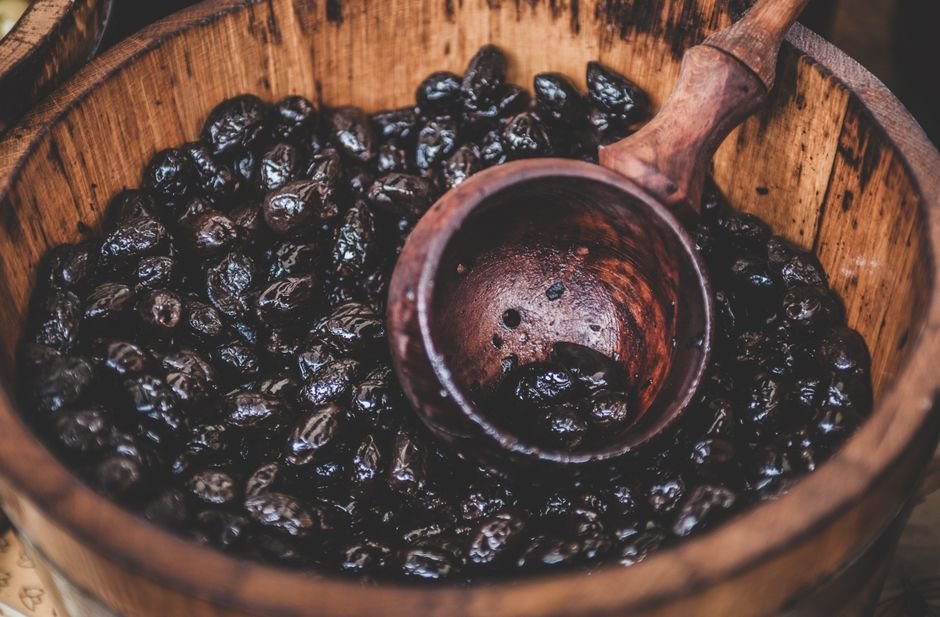
Calories in Black Olives by Serving Size
Calories in black olives for each common serving, with protein, carbs and fat:
| Serving | Calories | Protein | Carbs | Fat |
|---|---|---|---|---|
| 1 olive (5 g) | 6 | 0 g | 0.3 g | 0.5 g |
| 1 cup (135 g) | 157 | 1.1 g | 8.2 g | 15 g |
| 100 g | 116 | 0.8 g | 6 g | 11 g |
| 1 oz | 33 | 0.2 g | 1.7 g | 3.1 g |
Black Olives Nutrition Facts
Calories in black olives and the full nutrition facts per 1 olive (5 g):
| Nutrient | Amount | % Daily Value* |
|---|---|---|
| Calories | 6 kcal | |
| Protein | 0 g | 0% |
| Total Fat | 0.5 g | 1% |
| Saturated Fat | 0.1 g | 1% |
| Cholesterol | 0 mg | 0% |
| Sodium | 37 mg | 2% |
| Total Carbohydrate | 0.3 g | 0% |
| Dietary Fiber | 0.1 g | 0% |
| Total Sugars | 0 g | |
| Calcium | 4.4 mg | 0% |
| Iron | 0.3 mg | 2% |
| Potassium | 0.4 mg | 0% |
| Magnesium | 0.2 mg | 0% |
| Zinc | 0 mg | 0% |
| Phosphorus | 0.2 mg | 0% |
| Selenium | 0 mcg | 0% |
| Vitamin A (RAE) | 0.9 mcg | 0% |
| Vitamin C | 0 mg | 0% |
| Vitamin E | 0.1 mg | 1% |
| Vitamin K | 0.1 mcg | 0% |
| Thiamin (B1) | 0 mg | 0% |
| Niacin (B3) | 0 mg | 0% |
| Vitamin B6 | 0 mg | 0% |
Where the calories come from: 78% fat · 19% carbs · 3% protein
*Percent Daily Values are based on a 2,000-calorie diet (FDA reference values). Source: USDA FoodData Central — Olives, black (FDC ID 2710090, Survey (FNDDS), published 10/31/2024). Values for other servings are calculated from the per-100 g data.
Why Are Black Olives So High in Calories for Their Size?
Calories per gram are high because olives are mostly fat. The USDA record shows 11 g of fat per 100 g, and the calories from fat make up 78% of the total. Carbohydrate is 6 g per 100 g, and the record lists 0 g of total sugars, so the carbohydrate is mostly fiber and other non-sugar material. Dietary fiber is 1.6 g per 100 g.
The serving sizes show how this adds up. One olive (5 g) is 6 kcal and 0.5 g of fat. One cup (135 g) is 157 kcal and 15 g of fat. A 1 oz (28 g) serving is 33 kcal and 3.1 g of fat. Because the calories are spread across many small pieces, it is easy to eat more than you planned.
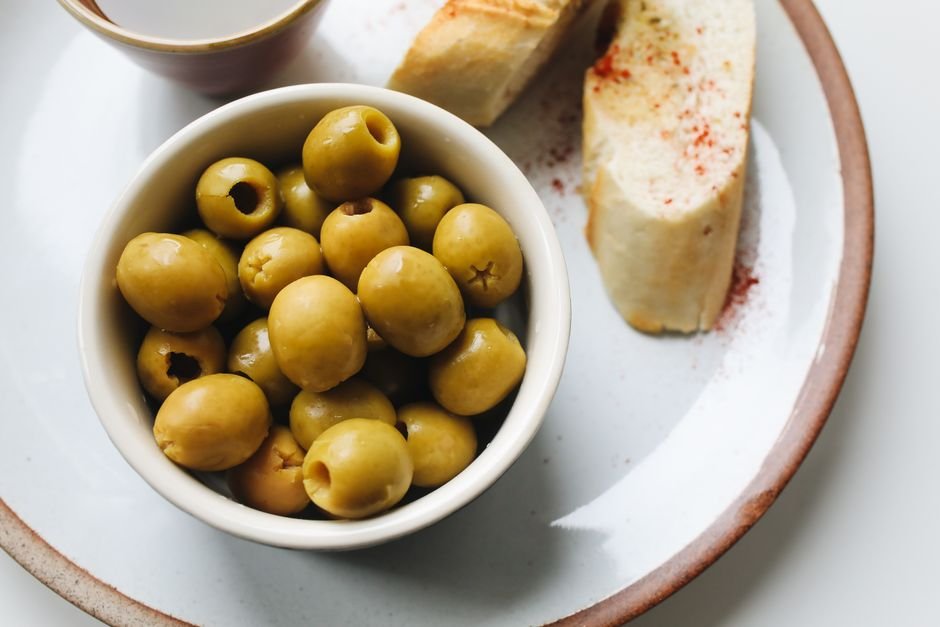
How Much Sodium Is in Black Olives?
Sodium is the nutrient that stands out most. The USDA record lists 735 mg per 100 g, which is 37 mg in one 5 g olive. A 1 oz (28 g) serving has about 206 mg of sodium by that same per-gram figure, but the record does not list a 1 oz sodium value, so use the 100 g figure as the reference.
Olives are usually packed in brine, and that is where most of the salt comes from. The record describes the olives as they are listed in the survey data. If you are watching sodium, check the label on the jar or can, since brands and packing styles differ. Draining and rinsing olives can lower the salt you eat, but this page does not have data to show how much rinsing changes the numbers.
What Vitamins and Minerals Do Black Olives Provide?
Black olives are not a significant source of most vitamins and minerals in this record. Per 100 g, the largest listed amounts are iron at 6.3 mg, calcium at 88 mg, and vitamin E at 1.7 mg. Vitamin K is 1.4 mcg per 100 g. The record shows 0 for thiamin, riboflavin, niacin, vitamin B6, vitamin B12, folate, and vitamin D.
Per 5 g olive, the amounts are small. Vitamin E is 0.1 mg (1% DV) and iron is 0.3 mg (2% DV). Sodium is 37 mg (2% DV). The percent daily values come from the DATA sheet for the single olive serving.
Are Black Olives Good for Low-Carb or Keto Eating?
Black olives are low in carbohydrate by weight. The record shows 6 g of carbohydrate per 100 g and 0.3 g per 5 g olive, with 0 g of sugar. Dietary fiber is 1.6 g per 100 g, so net carbohydrate is lower than total carbohydrate.
Because they are high in fat and low in carbohydrate, olives fit easily into low-carb meals in small amounts. The main limit is sodium, not carbs. Someone following a low-carb plan should still count the calories and sodium, since the 1 cup serving (157 kcal, 15 g fat) adds up quickly.
How Black Olives Compares
Per 100 g, next to similar foods in our database:
| Food (100 g) | Calories | Protein | Carbs | Fat |
|---|---|---|---|---|
| Black Olives | 116 | 0.8 g | 6 g | 11 g |
| Hemp Hearts | 115 | 2.7 g | 26 g | 0.2 g |
| Plantain Chips Baked | 155 | 1.5 g | 41 g | 0.2 g |
| Roasted Chickpeas | 164 | 8.9 g | 27 g | 2.6 g |
| Beef Heart | 165 | 28 g | 0.2 g | 4.7 g |
| Oyster Sauce | 51 | 1.4 g | 11 g | 0.3 g |
Black Olives FAQ
How many calories are in 10 black olives?
Olive size varies, so weigh them if you need an exact count.
Do black olives have sugar?
The USDA record lists 0 g of total sugars per 100 g and per olive. Their carbohydrate comes from fiber and other non-sugar material.
Are black olives high in fat?
Yes. The record shows 11 g of fat per 100 g, and fat makes up 78% of the calories.
The Bottom Line
One black olive (5 g) has 6 kcal, but the calories and sodium add up fast in larger amounts. Per 100 g, black olives have 116 kcal and 735 mg of sodium, so check the sodium on the label if you are watching salt.